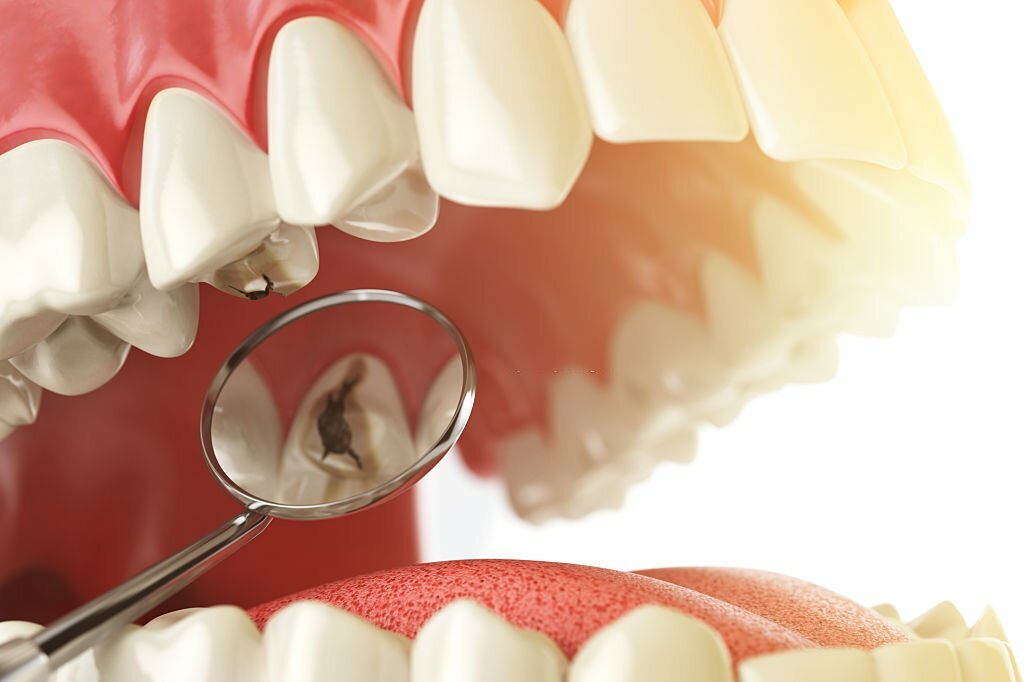
Category : Root Canal Therapy

Top Benefits of Getting Your Root Canal at Carolina Smiles Family Dentistry in Columbia, SC

Summary:

A root canal is a common dental procedure that helps individuals save a damaged or infected tooth.

Getting this treatment on time can make a big difference in preventing your natural tooth and further complications. Most patients seem nervous about root canals because they worry about pain, cost, or how long recovery might take. But the good news for you is that modern dentistry has made this treatment more comfortable than many expect.

Studies show that root canals have a success rate of over 95%, making them one of the most reliable dental procedures today. Patients here at Carolina Smiles Family Dentistry in Columbia, SC, can expect gentle, comfort-focused, and expert care from start to finish. 

In this article, we will cover:

  • Benefit 1: Highly Skilled and Experienced Dental Team
  • Benefit 2: Advanced Technology for Accurate & Comfortable Treatment
  • Benefit 3: Comfortable, Stress-Free Patient Experience
  • Benefit 4: Personalized Treatment Plans

Continue reading this article to gain a clear understanding, with an open mind, of the benefits of getting a root canal.

Why Undergo a Root Canal at Carolina Smiles Family Dentistry?

As a patient, you have multiple options when planning root canal treatment. However, not every clinic is designed to give you maximum comfort during the procedure. Interestingly, that’s where Carolina Smiles Family Dentistry steps into the picture. 

We bring you experienced professionals backed by years of delivering a seamless root canal experience to all customers. 

Here’s a closer look at what makes root canal in Carolina Smiles Family Dentistry the go-to option for almost every individual:

Benefit 1: Highly Skilled and Experienced Dental Team

The years of experience that your dental team holds matter more than you might think when it comes to root canal treatments. You are in the care of the professionals at a trusted dentist in Columbia, SC, who have performed countless root canal procedures with confidence and precision. 

Expertise That Ensures Better Results

  • Experienced dentists know exactly how to diagnose the problem.
  • They perform each step with accuracy, reducing risks and complications.
  • Their steady hands and deep knowledge make the entire process smoother for you.

A Team That Puts Patients First

You are not just another appointment they have to attend to; they truly care about your comfort. Their patient-first approach means they will listen, explain everything clearly, and make sure you feel supported at every stage.

Gentle and Compassionate Care

Root canals might sound scary, but the truth is that a skilled, caring team will make the treatment procedure far less intimidating for you. They use gentle techniques, modern tools, and a calm approach towards their patients to keep your experience as stress-free as possible.

Benefit 2: Advanced Technology for Accurate & Comfortable Treatment

Modern Invisalign treatment uses advanced tools that will make your entire experience smoother and more comfortable. 

1. Modern Diagnostic Tools

Dentists of this modern generation use digital X-rays, 3D scans, and high-quality imaging to understand your teeth with great accuracy. These modern tools give a clear picture of your alignment needs without the discomfort of old-style impressions.

2. Equipment That Reduces Discomfort

Certain technologies, like the iTero digital scanner, provide quick, painless scans of your teeth. This means there is no longer a need for messy molds, no gagging, and greater comfort during your visits.

3. Faster & More Predictable Results

Because your dentists can see the exact details, your treatment plan becomes extremely accurate. This thus leads to faster progress, fewer adjustments, and results that you can actually track from the very beginning of the treatment.

With the right technology, Invisalign becomes not only practical but also super easy, comfortable, and stress-free.

Benefit 3: Comfortable, Stress-Free Patient Experience

A great cosmetic dentist will never just focus on your smile; they will make sure you feel completely at ease during every visit. Modern dentistry practices use advanced anesthesia and gentle comfort techniques to ensure your treatments are smooth and nearly pain-free. This will mean fewer uncomfortable moments and much more peace of mind for you.

What Makes the Experience Stress-Free:

  • Modern anesthesia: It helps numb the area quickly and effectively so you barely feel a thing.
  • Comfort-focused methods: From warm blankets to calming music, everything is designed to make you feel relaxed.
  • Friendly environment: The staff welcomes you with genuine care, answers your questions, and supports you through every step.

All these small touches or advances your dentist makes for you actually make a big difference, especially if you get nervous at the dentist. With the right team, your appointment becomes calm, reassuring, and surprisingly comfortable.

Benefit 4: Personalized Treatment Plans

One thing that truly stands out when you go in for a root canal in Columbia, SC, is the level of personalised care they provide to you. They very well understand that the tooth, symptoms, and health history of every patient are different. This is why the dental team takes the time to understand what you need before planning anything.

What this looks like:

  • A quick but meaningful discussion about your pain, medical background, and expectations
  • Clear communication at every step
  • Simple, honest explanations of the procedure and what results you can expect
  • A treatment plan designed specifically for your comfort and long-term oral health

This kind of great personalized approach not only helps you to reduce anxiety but also leads to better, more predictable outcomes. When your treatment plan is built specifically for you and around you, it becomes easier to heal, easier to trust the process, and also easier to walk out with confidence.

Patients Also Ask

  • Is a root canal painful?

Despite what it’s thought to be, a root canal isn’t a painful operation. Thanks to modern tools and gentle care, most patients feel only mild pressure and remain comfortable throughout the procedure.

  • How long does the procedure take?

Like every other medical procedure, the time taken for a root canal depends on multiple factors, including your oral health. However, in most cases, it is completed in about 60-90 minutes.

  • How many visits are needed?

Most treatments seem to be completed in one visit, but it depends on the condition of your tooth.

Conclusion

Choosing the right dental team for your root canal treatment is very important, as it makes all the difference in how comfortable, confident, and stress-free your experience feels. Carolina Smiles Family Dentistry stands out from the rest because of the expert care, advanced technology, gentle approach, and true personalised support.

Taking prompt action when required will protect your smile and prevent bigger problems. Schedule a consultation, call the clinic, or visit their website to book your appointment today.

Takeaway:

  • A skilled, caring dental team makes your root canal comfortable and stress-free.
  • Advanced technology ensures accurate treatment and faster, smoother results.
  • Personalized care at Carolina Smiles Family Dentistry helps protect your natural tooth with confidence.


Root Canal Therapy at Carolina Smiles Family Dentistry: Trusted Care in West Columbia, South Carolina

Summary

A root canal may sound daunting, but modern advancements have transformed it into a seamless, pain-free procedure that preserves your natural tooth. At Carolina Smiles Family Dentistry, our expert dentists in West Columbia, South Carolina, ensure that patients receive top-notch care using state-of-the-art technology. This blog will explore the importance of root canals, the procedure, its benefits, and post-treatment care. If you’re experiencing tooth pain, sensitivity, or swelling, a root canal in West Columbia, South Carolina, could be the solution to save your smile!

Root Canal Therapy at Carolina Smiles Family Dentistry: Trusted Care in West Columbia, South Carolina_1

What is a Root Canal?

A root canal is a restorative dental procedure that treats infections deep within the tooth’s pulp. This infection can occur due to severe decay, cracks, or repeated dental procedures. Without treatment, it can cause extreme discomfort and lead to tooth loss. The goal of a root canal in West Columbia, South Carolina, is to remove the infection, clean and disinfect the inside of the tooth, and seal it to prevent future issues.

Signs You May Need a Root Canal

If you’re unsure whether you need a root canal, here are some key symptoms:

  • Persistent Tooth Pain – Ongoing discomfort, especially when chewing or applying pressure
  • Sensitivity to Hot and Cold – Lingering sensitivity after removing the temperature source
  • Swollen Gums – Inflammation or pus around the affected tooth
  • Darkening of the Tooth – Discoloration due to internal damage
  • Gum Boil or Abscess – A pimple-like swelling that indicates infection

If you experience these symptoms, consult our dentists in West Columbia, South Carolina, immediately to prevent complications.

The Root Canal Procedure: Step by Step

At Carolina Smiles Family Dentistry, we understand that the thought of a root canal can be intimidating. However, modern advancements in dentistry have made this procedure comfortable, efficient, and virtually pain-free. Our team prioritizes your comfort and oral health, ensuring a smooth experience from start to finish. 

Here’s a detailed breakdown of what to expect during your root canal treatment:

1. Diagnosis and X-ray

The first step is a thorough examination of your tooth. We use digital X-rays to assess the extent of the infection and determine whether a root canal is necessary. These images help us pinpoint the affected area and create a precise treatment plan to ensure optimal results.


2. Local Anesthesia

To keep you comfortable, we apply a local anesthetic to numb the tooth and surrounding area. Many patients worry about pain, but thanks to modern anesthetics, most people experience little to no discomfort during the procedure. We also offer sedation options to help you relax if you feel anxious.


3. Pulp Removal

Once the area is numb, we carefully create a small opening in the tooth to access the infected or damaged pulp. The pulp contains nerves and blood vessels that may be inflamed due to deep decay, cracks, or trauma. We gently remove the infected tissue using specialized tools, eliminating pain and preventing the spread of infection.


4. Cleaning and Disinfection

After the pulp is removed, the inner chambers of the tooth (root canals) are thoroughly cleaned and disinfected. This step is crucial to prevent bacteria from re-entering the tooth and causing future issues. We use antibacterial solutions to ensure a sterile environment inside the tooth.


5. Sealing the Tooth

Once the canals are cleaned and shaped, we fill them with a biocompatible gutta-percha material. This rubber-like substance helps seal the canals and provides structural support. The access point is then sealed with a temporary or permanent filling to protect the tooth.


6. Placement of a Crown (if needed)

In many cases, a tooth that has undergone a root canal may need extra reinforcement. If the tooth is weakened, we recommend placing a dental crown to restore strength, shape, and function. The crown acts as a protective shield, allowing you to chew and bite generally without the risk of fractures.


Aftercare and Recovery

Mild soreness or sensitivity is expected following your root canal, but it should subside within a few days. Over-the-counter pain relievers and good oral hygiene will aid in a smooth recovery. Our team will provide detailed aftercare instructions to ensure your treated tooth stays healthy for years.

If you’re experiencing tooth pain or sensitivity, don’t wait! Schedule an appointment with Carolina Smiles Family Dentistry today and let our expert team restore your smile with gentle, effective care.

Fun Facts About Root Canal Therapy

  • Root canal treatments have a 95% success rate and can last a lifetime with proper care
  • The procedure is virtually painless, similar to getting a routine filling
  • Over 15 million root canals are performed annually in the U.S
  • It preserves your natural tooth, preventing misalignment and bite issues

Why Choose a Root Canal Over Extraction?

While tooth extraction is an alternative, a root canal in West Columbia, South Carolina, offers significant benefits:

  • Preserve Your Natural Tooth – Avoids the need for replacements like implants or bridges.
  • Prevents Shifting of Teeth – Maintaining your tooth prevents misalignment
  • Cost-Effective in the Long Run – Replacing a lost tooth can be more expensive than a root canal
  • Minimizes Bone Loss – Extraction can lead to jawbone deterioration over time

Root Canal Therapy at Carolina Smiles Family Dentistry: Trusted Care in West Columbia, South Carolina_2

Post-Treatment Care for a Smooth Recovery

After your root canal, proper care is essential for optimal healing:

  • Avoid chewing on the treated tooth until a permanent filling or crown is placed.
  • Maintain good oral hygiene by brushing and flossing daily.
  • Use over-the-counter pain relief if mild discomfort occurs.
  • Schedule a follow-up appointment to ensure proper healing.

Book Your Root Canal Appointment Today!

Don’t let tooth pain disrupt your life! At Carolina Smiles Family Dentistry, our expert dentists in West Columbia, South Carolina, offer top-tier care with a gentle approach. Schedule your consultation today and restore your smile with confidence!

Call us now or visit our website to book an appointment!

Key Takeaways

  • A root canal in West Columbia, South Carolina, is a painless, effective way to save your tooth.
  • Symptoms like severe pain, swelling, and sensitivity indicate the need for a root canal.
  • The procedure involves removing the infected pulp, cleaning, and sealing the tooth.
  • Choosing a root canal over-extraction preserves your natural smile and prevents complications.
  • Post-treatment care, including good oral hygiene and regular dental visits, ensures long-term success.

Why Do You Need A Root Canal Treatment? An Insightful Guide

A root canal can be a pain-free, effortless experience! 

Yes, you read it right. When done by professionals, the process of a root canal can be as simple as filling or teeth whitening. 

Root canal treatment is an oral procedure that relieves pain caused by an abscessed or infected tooth. 

In this blog, we take a closer look at: 

  • Tooth Decay 101
  • What Is Root Canal Procedure
  • Root Canal Symptoms – Do You Need One?
  • Root Canal Can Be Prevented!

Let’s learn more about this procedure in the following sections. 

Tooth Decay 101

Studies suggest that over 92% of Americans have faced tooth decay during their lifetime. 

Decay or cavities are deadly agent that destroys your teeth. When the bacteria in them enter the tooth’s pulp and cause an infection, the root canal procedure is your savior. 

There are different steps of a root canal procedure where your dentist removes the infected pulp, and the tooth is sealed to prevent further infection. However, when it comes to it, many individuals confuse themselves about whether or not they need the treatment. 

tooth decay

Keeping the same in mind, we’ve listed a comprehensive list of symptoms while exploring more about the treatment. Let’s get started! 

What Is Root Canal Procedure?

A root canal is frequently recommended for addressing oral disorders such as inflammation, tooth decay, damage, or a severe infection. Root canals are a great option to help you retain oral health while preserving your natural tooth. 

When visiting your nearest dentist root canals, they’ll guide you through a thorough treatment procedure that involves:

  • Extracting decay and bacteria from the tooth nerve, pulp, and root. 
  • Disinfecting the affected area with antibiotics.
  • Filling the empty roots with a dental filling called gutta-percha. 
  • Seal the tooth and place a dental crown for final restoration. 

Root canal treatment plays a crucial role in general dentistry as it helps you preserve the structure of a damaged tooth. During the procedure, your root canal dentist removes the infected or inflamed pulp and cleans the inside of the root canal. 

As mentioned earlier, they seal the area and cover it with a crown to preserve the tooth’s structure and restore it to full function. Following the operation, your tooth looks and feels like the remaining natural tooth in the setup. 

So now that we have an idea of why do you need a root canal treatment, let’s learn more about the common symptoms that cause you to visit your nearest dentist. 

Root Canal Symptoms – Do You Need One?

  1. Persistent Tooth Pain

Persistent tooth discomfort may signal that the patient requires a root canal procedure. The tooth pain might come and go and diminish for a short time before reappearing. 

You might feel pain in the tooth’s bone, the jaw, the face, and surrounding teeth. Tooth discomfort can have a variety of causes. On the contrary, those who have dental discomfort for an extended length of time should see a dentist at the earliest.

  1. Tooth Sensitivity Towards Heat and Cold

Tooth sensitivity is the main reason for root canals. Does your tooth hurt whenever you eat or drink something hot or cold? It might indicate that the nerves and blood vessels in the tooth are diseased, injured, or both.

Some people may feel a subtle aching, while others may feel severe agony. If the discomfort from tooth sensitivity lasts for an extended period, the dentist may consider a root canal operation. 

  1. Discoloration of Tooth

An infection in the pulp can discolor the tooth. Internal tissue disintegration might cause root injury. As a result, the tooth may have a grayish-black look. Tooth pulps can perish if there is insufficient blood flow. 

If the reason is decay, dentists may prescribe a root canal. However, discoloration can develop for a variety of causes. When discoloration is discovered, it is best to consult a dentist.

  1. Swollen Gums

Swollen gums surrounding a tooth can be a major indicator of the root canal. The acidic by-products of dead pulp tissues can cause swelling.

While the swelling may appear and go, you’ll feel an unpleasant pain or sensitivity every time there’s some contact. 

  1. Pain In The Tooth While Eating

If the tooth becomes sensitive when eating, it might be due to injured nerves, rotting, or both. Because the pulp is dying, the ligament around the root tip of an infected tooth may become hypersensitive. 

The waste produced by the dying pulp might induce ligament friction, causing discomfort from biting pressure. The problem may necessitate a root canal procedure from your dentist.

While there are several symptoms for a root canal, the only way to know for sure is to visit your dentist. 

Keeping the same in mind, we’ve listed some of the most common indicators of a root canal. If you experience these symptoms, rush to your nearest root canal dentist. 

Root Canal Can Be Prevented!

A root canal can be prevented! 

However, it’s easier said than done. Preventing root canals requires a thorough understanding of rooted dental well-being. 

Follow these healthy habits to keep up with your oral health: 

  • Floss your teeth at least once every day.
  • Use a fluoride rinse or toothpaste.
  • Brush your teeth twice a day.
  • Consult with your dentist at an interval of six months.
  • Have your teeth thoroughly cleaned annually. 
  • Limit your intake of sugary foods and processed carbs. 

Takeaway

  • Studies suggest that over 92% of Americans have faced tooth decay during their lifetime.
  • A root canal is a frequently recommended procedure for addressing oral disorders. 
  • Root canal treatment preserves the structure of a damaged tooth.
  • While there are several root canal symptoms, the only way to know for sure is to visit your dentist. 


You Need to Protect Your Teeth After Having a Root Canal Procedure

A root canal usually results from not taking care of a cavity when it starts. The longer you allow a cavity to grow, the more damage it causes. The cavity can lead to damaged nerve tissue and infection.

At some point, a simple filling is not enough. The cavity will spread to the root of the teeth and the gums. That is when a root canal becomes necessary.

The Root Canal Procedure

The goal of the root canal procedure is to remove all the damage to the tooth. The procedure removes the pulp of the tooth and the damaged nerve tissue. It also removes any bacteria that cause the infection in the tooth. The root canal procedure removes more of the tooth and tissue than a normal cavity requires. The work is more extensive, and there are more risks for problems during recovery if not taken care of properly.

Aftercare Instructions
It is essential to follow the aftercare instructions following a root canal. Not protecting the teeth can lead to a variety of other problems. In addition, because part of the root canal procedure involves dealing with the infection, medications are needed to help fight the disease. Medicines on the site of the root canal can help resolve it entirely.

Because the medicine placed on the root canal site needs to remain in place, a temporary filling seals the area after the procedure. The temporary filling can stay for about a week until the infection is completely cleared and a permanent filling is put in place. While the temporary filling is in place, it is essential to continue brushing carefully to allow the tooth to heal.

A root canal is a surgical procedure, meaning a person needs to make sure they give their body the chance to recover. That means taking steps to protect the tooth and ensuring you do not damage the surgical site until it heals.

Contact our office to schedule an appointment to learn more about this or any other oral health issue.

Causes of Pain Following a Root Canal

We know that having a root canal is not anyone’s choice on how to spend the day. However, sometimes a root canal is necessary. For example, you may have been in a lot of pain before the root canal and feel significant relief after the procedure is over because you won’t be in pain.

While a bit of pain after the procedure is expected, you need to keep reading if you are still in distress following a root canal. You will need to know when pain after a root canal is normal- and when it isn’t.

What Causes The Pain?

Nearly everyone feels a little pain after a root canal procedure because to fix your tooth, an incision must be made to clean the pulp and the dentin. When a root canal is needed, you may have a severe tooth infection and be in considerable pain. A root canal should relieve the pain and save the tooth. During cleaning, you may experience irritated nerves and gums surrounding the tooth.

Your tooth may hurt as well. This pain is normal. Of course, we don’t want you to be in pain. We want you to feel better, which means we may give you medication to help with the pain and show you recommendations to help ease your pain.

However, if your pain gets worse, you need to call us immediately if you start running a fever or notice swelling in your jaw. Sometimes, even trying to clean out the tooth does not solve the problem, and we will need to look at the tooth to determine what is wrong.

If you have questions about whether you need a root canal or not, why not give us a call? We would love to discuss how root canals are done or how you can avoid needing a root canal in the first place.

What is the Point of Getting a Root Canal?

You have probably heard someone compare an activity they were not looking forward to getting a root canal. Even if you have never had one, you almost certainly have an unfavorable feeling about the procedure.

Like many people, you might wonder if you should even bother getting a root canal.

You should get a root canal if your circumstances call for it. Here is more information about the procedure and why you should have it done.

What Is A Root Canal?

Essentially, a root canal is a procedure where the tooth is opened up, and the soft material inside it (known as the “pulp” of the tooth) is removed. Once the tooth has been hollowed out, the pulp is replaced with a synthetic material, and the hole in the enamel is repaired with a filling.

Why Get A Root Canal?

Usually, a root canal is necessary for a situation where the pulp has either died or is dying. For example, a tooth with dead pulp in it will eventually decay and die completely; as such, getting a root canal may be the only way to save it.

While you might think that a root canal is unnecessary—especially if the tooth looks acceptable to you—remember that you cannot see the pulp and cannot see its condition. By using an x-ray machine, it is possible to identify pulp that is dying or dead even before the outward appearance of the tooth is affected. In such a case, getting a root canal is necessary, even though the tooth might look okay.

Knowing this, you can see that getting a root canal is sometimes the only way to save the tooth. In addition, a successful root canal will let you use the tooth for years, so remember that the procedure is nothing to fear.

Options for Broken Teeth Aside from Extraction

There are many reasons people experience broken teeth. It can come from sports accidents, something that you chewed, or improper oral health care. Whatever the reason, people fear having their tooth removed or a painful procedure. If a broken tooth is not fixed it c, it can result in tooth decay, gum disease or m, or misalignment of your remaining teeth. 

Root Canal Therapy

There is a canal in the center of your tooth from your jawline to the top. This is the root of your tooth. A dentist will drill down into the center of your tooth through the tooth to the bottom. The canal will be widened and filed wider series of small files that slide up and down the root canal. Once the channel has been filed and is clear of any bacteria, sealant will be applied and treated until solid. Next, another x-ray will take place to ensure the root is sealed correctly. Finally, a crown will be built around the remainder of the tooth.

Apicoectomy

This procedure is like a root canal and is usually only done when the root canal doesn’t work or isn’t feasible. Like the root canal, in an apicoectomy, only the tip of the tooth root is removed. This procedure is done only when a tooth has grown and curved over time down into the jawline, making it impossible to insert the metal files to clean the root base. The root tip is removed, and the hole sealed. After another x-ray, a crown is built.

Both of these procedures can seem like they may be painful or a little bit scary. Don’t sweat if you have heard horror stories about root canals. Our office has performed many of these procedures and has the experience to make it as painless as possible. If you have a broken tooth and your current dentist recommends an extraction, we would be more than happy to give you a second opinion and assist with your oral health needs.

Risks Associated With Root Canals

A root canal is the safest, most effective, and minimally-invasive endodontic treatment that can save your tooth. The treatment has a very high success rate of about 95%. However, many people are frightened by the prospect of getting a root canal treatment.

At Carolina Smiles Family Dentistry, we ensure that root canal treatment carries minimal risks and that we can easily treat any possible complications.

Root Canal Risks

There are a few factors that can lead to root canal complications. These include:

Reinfection

If the pulp chamber is not adequately disinfected, bacteria may proliferate inside the tooth and cause reinfection. At Carolina Smiles Family Dentistry, and have years of experience thoroughly cleaning and sealing your pulp chamber during surgery.

Insufficient Filling

Insufficient gutta percha or sealant can result in bacteria infecting the tooth again. On the other hand, overfilled sealants can also result in root canal failure. However, such cases are rare and can be fixed with repeat root canal surgery.

Poorly Fabricated Crown

The dental crown serves to strengthen and protect the weak underlying tooth. However, if this crown is not created perfectly, it may not sit right on the tooth and may not prevent bacteria from reinfecting it.

Inadequately Treated Canal

A tooth may have one to four canals in its root. If any of these canals is missed during surgery, it can lead to complications requiring a repeat surgery to fix.

At Carolina Smiles Family Dentistry, take special care to perform your root canal treatment perfectly. However, if any of the above conditions occur, we can easily fix them.

If you are recommended a root canal treatment, don’t be afraid and get the treatment as soon as possible. Schedule an appointment with us by calling us at (803) 794-2273 today.