Category : west columbia dentist

TMJ Treatment In Columbia, SC: What You Need To Know

Summary:

How frequently do you experience pain or tenderness around your jaw? If so, it could be a major indicator of a TMJ disorder.

TMJ, or Temporomandibular Joint disorder, causes pain and discomfort in and around the jaws, muscles, and ligaments. The leading causes of this disorder are usually teeth grinding, jaw injuries, and arthritis.

TMJ Treatment In Columbia, SC: What You Need To Know_1

If your TMJ disorder is frequent and recurring, you should consider visiting a West Columbia dentist who can address your issue and suggest effective treatment plans. These professionals help ease your pain and enhance your mandible movement. 

However, a majority of people have limited or no idea about treating TMJ disorder. Many people ignore it, mistaking it for normal pain.  

Keeping this in mind, we shall walk you through critical topics like: 

  • Understanding TMJ Disorder 
  • Different Types of TMJ Disorders – Explained!
  • Procedure for Diagnosing TMJ Disorder
  • Treatment Solutions For Addressing TMJ Disorder

Continue reading as we explore TMJ disorder and its treatment plan in the following sections. 

Understanding TMJ Disorder 

Do you often experience pain and stiffness around your jaw joints that restricts your ability to speak, chew, or even smile? 

Relax; you are not the only one going through this. Stats suggest that over 31% of the population experience these symptoms, which signifies that they have jawbone disorder. 

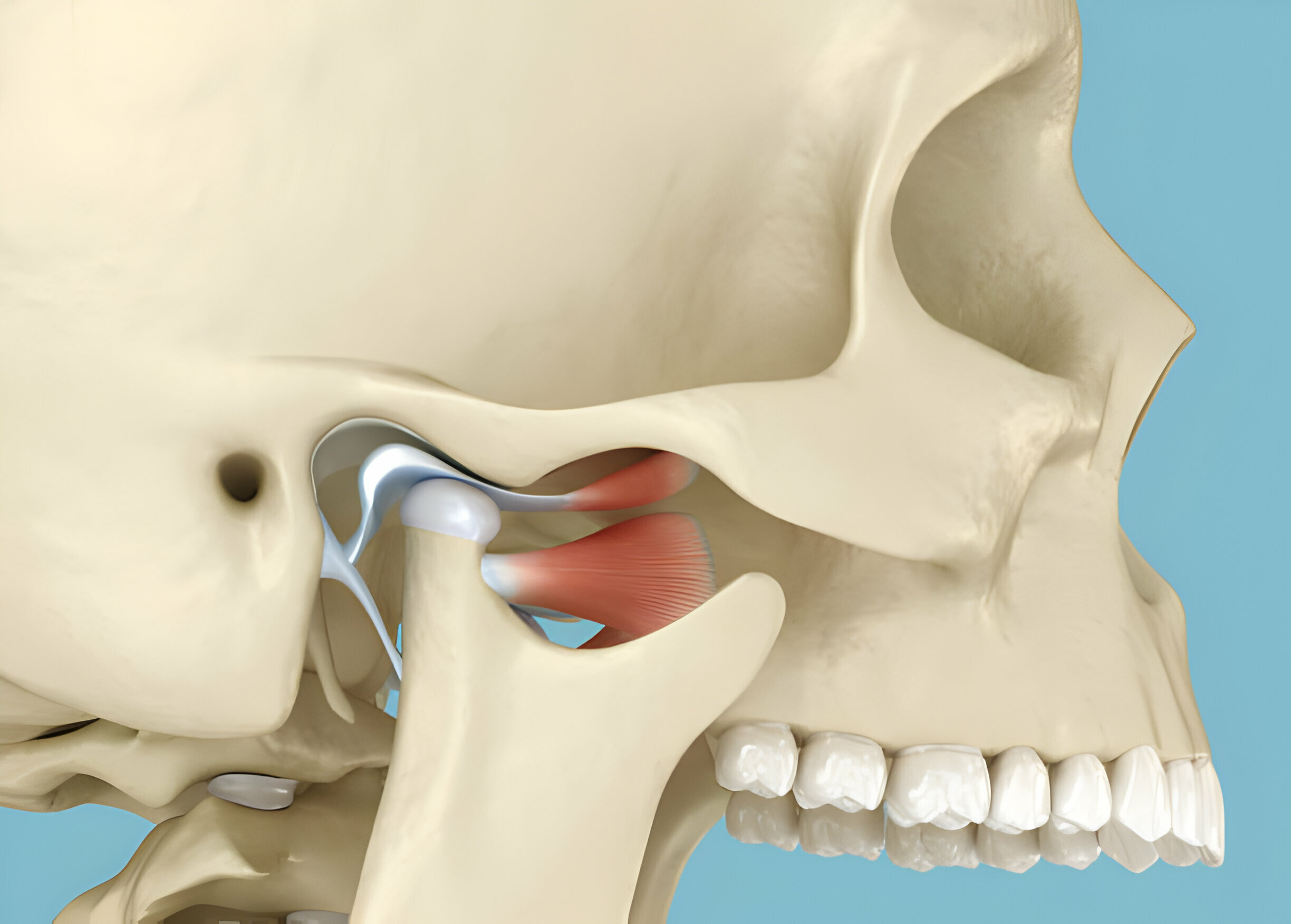
The TMJ joint (or Temporomandibular Joint) connects your jawbone to your skull, enabling you to move your jaw joints and muscles to move freely. People with TMJ disorder experience symptoms like pain, tenderness, stiffness, and popping or clicking sounds when they move their jaw while opening their mouth or chewing. Others may also experience ear aches or headaches. 

What Causes TMJ?

Multiple factors can contribute to jawbone disorder, including bruxism or teeth grinding, malocclusion, mandible injuries, clenching, and arthritis. During such times, it’s best to connect with your nearest dentist for jawbone disorder, which can elevate your condition and enhance your quality of life. 

Different Types Of TMJ Disorders – Explained!

The jawbone facilitates mandible movement, enabling essential functions such as speaking, chewing, and swallowing. However, when it escalates to temporomandibular joint disorder, it can lead to a range of discomforts and complications. 

Here are the different types of disorders that you need to know:

Myofascial Pain Syndrome (MPS)

Myofascial pain syndrome is the most prevalent type of jawbone disorder, characterized by discomfort or pain in the muscles responsible for mandible movement. 

This condition often manifests as muscle tenderness, restricted jaw movement, and aching facial pain. Due to the persistent discomfort, patients may experience difficulty performing everyday tasks such as chewing or speaking.

Internal Derangement

Internal derangement involves structural abnormalities within the TMJ, typically affecting the positioning of the disc or cushion that acts as a buffer between the jawbone and the skull. 

Displacement or dislocation of this disc can result in clicking, popping, or grating noises during mandible movement, along with episodes of jaw locking or limited range of motion.

Degenerative Joint Disease (Osteoarthritis)

Degenerative joint disease, commonly called osteoarthritis, occurs when the cartilage within the TMJ gradually deteriorates over time. This degeneration leads to inflammation, stiffness, and pain in the affected joint, particularly in older individuals. 

Osteoarthritis-related jawbone disorder can significantly impair function and may necessitate ongoing management to alleviate symptoms and preserve joint function.
TMJ Treatment In Columbia, SC: What You Need To Know_2

Bruxism-related Disorder

Bruxism, characterized by involuntary teeth grinding and clenching, represents a common contributing factor to jawbone disorders. Chronic bruxism places excessive stress on the TMJ and associated muscles, leading to muscle fatigue, joint inflammation, and dental complications such as enamel wear or tooth fractures. Individuals who grind their teeth may experience pain, headaches, and jawbone disorder.

Procedure for Diagnosing Disorder

Diagnosing TMJ disorder involves a multi-step approach to understand the patient’s symptoms of TMJ and assess the function of the joint. 

Here’s an outlook on the diagnostic process:

Step 1 – Medical History Assessment

A specialist dentist initiates the diagnosis by discussing the patient’s medical history, focusing on symptoms related to jaw pain, clicking sounds, chewing difficulties, and any prior injuries or treatments.

Step 2 – Physical Examination

Once your medical history is assessed, a dentist thoroughly examines the joint and surrounding muscles. It includes assessing the joint for tenderness, evaluating the jaw’s range of motion, and observing any signs of TMJ and mandible misalignment.

Step 3 – Diagnostic Imaging

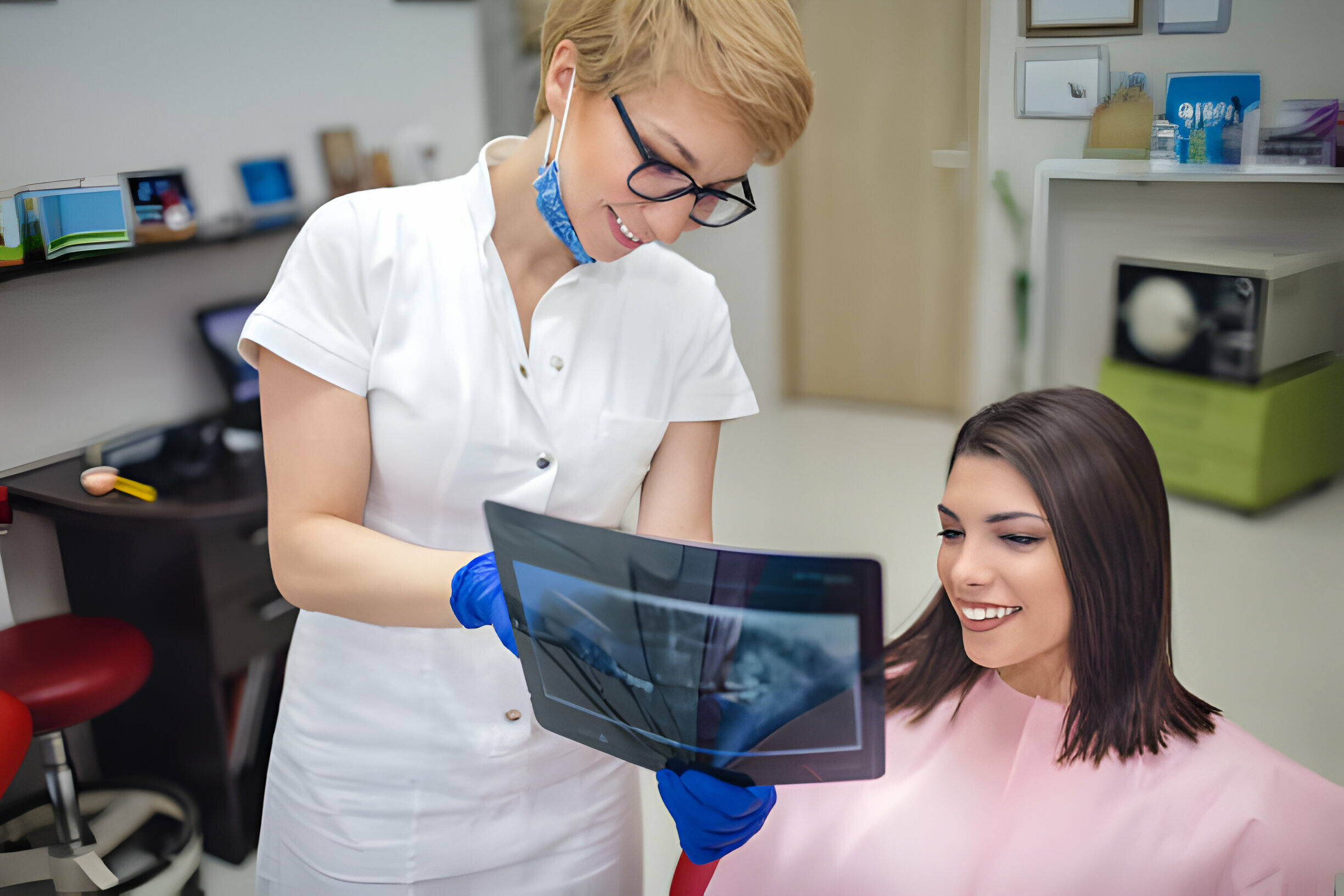
TMJ professionals may sometimes recommend diagnostic imaging such as X-rays, CT scans, or MRI to obtain detailed images of the jawbone and surrounding structures. These images help identify any structural abnormalities or joint disorders.

Step 4 – Functional Assessment

Dentists also perform functional tests to evaluate the jaw’s movement during various activities, such as opening and closing the mouth, chewing, and speaking. These tests provide valuable insights into the jawbone’s function and help identify abnormalities in mandible movement.

Treatment Solutions For Addressing Jawbone Disorder

The complex nature of TMJ disorders and their potential impact on daily activities makes it crucial to adopt a holistic approach to address the condition. 

Here are some TMJ therapy solutions that help in the management of jawbone disorders:

  • Lifestyle Modifications

Patients should make lifestyle adjustments for TMJ treatment in Columbia, SC. This involves techniques like stress and tension release, as stress-related habits like teeth clenching or grinding can cause TMJ discomfort. Additionally, dietary modifications such as avoiding hard or chewy foods can help reduce mandible strain and promote healing.

  • Custom Oral Appliances

For individuals experiencing nocturnal bruxism (teeth grinding) or clenching, custom-fitted oral appliances such as splints or night guards can help protect the teeth and mitigate jawbone-related pain and discomfort. These appliances stabilize the jaw joint, distribute bite forces evenly, and prevent further damage to the temporomandibular joint and surrounding structures.
TMJ Treatment In Columbia, SC: What You Need To Know_3

  • Orthodontic Interventions

Malocclusion (misalignment of the teeth) and bite discrepancies can contribute to jawbone dysfunction by placing undue stress on the jaw joint. In such cases, orthodontic treatment modalities may be recommended to correct alignment issues and improve occlusal harmony including braces, clear aligners, or other orthodontic appliances.

  • Surgical Interventions

Surgical procedures such as arthrocentesis (joint lavage), arthroscopy, or open joint surgery may be indicated to address underlying anatomical issues, repair damaged joint structures, or replace irreversibly damaged dental TMJ components. Before considering surgical intervention, a thorough evaluation by a qualified surgeon is essential to assess preparedness and discuss potential risks and benefits.

Takeaway 

  • TMJ disorder is associated with symptoms like jaw pain, tenderness, stiffness, and clicking sounds, along with possible ear aches or headaches.
  • Jawbone disorders can result from various factors, such as teeth grinding (bruxism), mandible injuries, malocclusion, clenching, and arthritis.
  • Diagnosing jawbone disorder involves multiple steps, including a thorough medical history assessment, physical examination, diagnostic imaging, and functional assessment of mandible movement.
  • Lifestyle changes, such as stress reduction techniques and dietary adjustments, can significantly help manage jawbone symptoms by reducing mandible strain and promoting healing.
  • Customized oral appliances like splints or night guards can safeguard teeth from nighttime bruxism and aid in stabilizing the mandible joint, evenly distributing bite forces to prevent further damage.
  • Are you experiencing similar jaw pain but confused about what it is? Talk to our Carolina Smiles Family Dentistry experts today! 
Top Benefits of Visiting a West Columbia Dentist – What You Need to Know!

Summary: 

Think your oral health is fine? Think again!

Regular brushing and flossing aren’t enough to remove dirt and bacteria. There could be many underlying or minor symptoms that you are ignoring. When left untreated, these symptoms can get severe over time, resulting in severe pain and poor oral health.

Visiting your West Columbia dentist for regular checkups can help you identify those issues. Consulting such professionals helps treat them before they become detrimental to your health.

Top Benefits of Visiting a West Columbia Dentist - What You Need to Know!_1

However, that’s not all. Most individuals visiting our clinic have a limited idea of the different benefits of regular checkups. So, in this article, we’ve listed a few aspects of visiting dentists for regular checkups:

  • Do You Need Regular Oral Checkup?
  • 7 Benefits Of Regular Dental Visits
  • What Can You Expect From Regular Dental Visits?

Continue reading as we understand how visiting your dentist regularly can improve your oral health and overall well-being. 

Do You Need Regular Oral Checkup?

Dental issues like cavities and gum disease necessitate the attention of a dentist for proper diagnosis and treatment, emphasizing the importance of regular check-ups to maintain oral health and prevent severe complications.

Approximately 50% of the world’s population suffers from one of the other kinds of issues, which causes pain and discomfort and disrupts their peace and well-being. Visiting professionals regularly, like dentists in Columbia, South California, can help you prevent problems from elevating. 

7 Benefits Of Regular Dental Visits

Regular dental checkups are a cornerstone of preventive healthcare, yet many underestimate their significance until faced with issues. These routine appointments are not just about cleaning teeth; they are crucial for maintaining optimal health and overall well-being. 

Here are some top benefits of prioritizing regular visits to your dentist.

1.  Prevent Gum Disease: 

Gum disease, a prevalent health concern, can have severe repercussions if left untreated. Regular checkups play a pivotal role in preventing and managing gum disease. 

Dentists assess gum health, conduct professional cleanings to remove plaque and tartar buildup, and offer guidance on effective hygiene practices to prevent gum disease progression.

2. Professional Cleaning: 

Despite conscientious hygiene practices at home, plaque and tartar can accumulate on teeth, particularly in hard-to-reach areas. 

Professional cleaning during checkups ensures thorough removal of these deposits, reducing the risk of tooth decay and gum disease. It leaves your smile refreshed and contributes to long-term oral health.

3. Early Detection of Dental Problems: 

One of the foremost reasons to visit a dentist for regular checkups is the early detection of issues. Dentists are trained to spot signs of cavities, gum disease, oral cancer, and other abnormalities in their nascent stages. 

Detecting problems early enables timely intervention, preventing them from escalating into more severe and costly conditions later.

Top Benefits of Visiting a West Columbia Dentist - What You Need to Know!_2

4. Oral Cancer Screening: 

Oral cancer is a severe condition that can be life-threatening if not detected early. Regular dental checkups include thorough cancer screenings, allowing dentists to identify suspicious lesions or abnormalities in the mouth, tongue, and throat. 

Early detection significantly enhances treatment outcomes and survival rates for cancer patients.

5. Maintaining Overall Health: 

Good oral health is integral to overall well-being, as oral health problems can impact systemic health and vice versa. 

Numerous studies have linked poor health to conditions such as heart disease, diabetes, respiratory infections, and adverse pregnancy outcomes. By attending regular checkups, individuals safeguard their oral and overall health.

6. Personalized Oral Health Education: 

Dental checkups offer an invaluable opportunity for personalized oral health education. Dentist visit can provide you with tailored guidance on optimal brushing and flossing techniques, recommend care products suited to individual needs, and offer advice on lifestyle factors affecting health. 

Empowered with this knowledge, individuals can take proactive steps to maintain their oral health between appointments.

7. Preserving Your Smile: 

A healthy, radiant smile enhances appearance and boosts confidence and self-esteem. Regular checkups are instrumental in preserving the health and aesthetics of the smile. 

Visit dentists to address cosmetic concerns such as stains, misalignments, or missing teeth, recommending appropriate treatments to achieve a beautiful, confident smile.

What Can You Expect From Regular Dental Visits?

Regular dental visits are crucial in maintaining optimal oral health and preventing problems. When you schedule routine appointments with your dentist, you can anticipate essential procedures and discussions to keep your teeth and gums in top condition. 

Here’s a breakdown of what you can expect:

Professional Cleaning: 

One of the primary components of a regular dental visit is a professional cleaning performed by a hygienist. The purpose of a dentist is to thoroughly clean your teeth to remove plaque and tartar buildup, which are significant contributors to gum disease and cavities. 

Even with diligent brushing and flossing at home, certain mouth areas can be difficult to clean effectively, making professional cleanings crucial for maintaining oral health.

Comprehensive Examination: 

Your dentist will comprehensively examine your cavity, including your teeth, gums, and other soft tissues. This examination serves multiple purposes, such as detecting signs of tooth decay, gum disease, oral cancer, and other dental issues at their earliest stages. 

Dentists may take X-rays to provide a more detailed assessment of your health, allowing your dentist to identify any underlying problems that may not be visible during a visual examination alone.

Top Benefits of Visiting a West Columbia Dentist - What You Need to Know!_3

Discussion of Oral Health Habits: 

During your visit, your dentist or hygienist will discuss your current oral hygiene habits and offer personalized recommendations for improvement. They may demonstrate proper brushing and flossing techniques tailored to your specific needs and address any questions you may have regarding your care routine. 

Additionally, they may guide diet and lifestyle factors that can impact your oral health, empowering you to make informed decisions about your dental care.

Detection and Prevention of Dental Problems: 

Regular visits at your nearest West Columbia dentist are essential for the early detection and prevention of dental problems. By identifying issues such as cavities, gum disease, and oral infections in their early stages, your dentist can intervene promptly and implement appropriate treatment measures to prevent further deterioration of your health. 

This proactive approach helps preserve your natural teeth and minimizes the need for more invasive and costly procedures.

Evaluation of Existing Dental Work 

If you have any existing dental work, such as fillings, crowns, or bridges, your dentist will carefully evaluate their condition during your regular dental visit. 

They will check for signs of wear, damage, or deterioration and make any necessary adjustments or repairs to ensure that your restorations continue to function effectively and maintain the integrity of your smile.

Takeaway 

  • Dental care and oral hygiene at home are not enough to prevent dental illnesses. 
  • Regular visits can prevent gum diseases and preserve your smile. It can help in deep cleaning to remove plaque and prevent cavities. 
  • Continuous consultations can also evaluate existing dental work such as crowns, bridges, fillings, etc. 
  • Don’t make dental excuses; connect with our Carolina Smiles Family Dentistry professionals today!

Your Complete Guide to Smile Restorations with Dentures in Columbia, SC

Summary:

Partial or complete dentures are an effective solution for over 178 million Americans.

They’re the perfect appliance to restore your smile, especially if you’ve lost one or more teeth from your cavity. Dentures, by design, are removable replacements for one or a few missing teeth. 

Your Complete Guide to Smile Restorations with Dentures in Columbia, SC_1

In this blog, we take a closer look at:

  • Dentures – The Perfect Solution to Make Up for Lost Teeth
  • The Different Types of Dentures – How Are They Fitted?
  • Adjusting With Your Appliance – The Phase in Detail
  • Food Restrictions With Your Appliance – What You Can and Can’t Eat with Dentures
  • Tips to Properly Clean Your Dentures

Continue reading as we learn more about teeth dentures in the following sections. 

Dentures – The Perfect Solution to Make Up for Lost Teeth

Dentures are prosthetic teeth designed to replace lost natural teeth. The amount of lost teeth determines whether you receive partial or total false teeth. 

  • Partial dentures replace a few teeth from either jaw. 
  • Complete denture options replace all teeth. 

You must consult a gum expert if your gums and surrounding tissues are not in good health. These appliances are designed to replace lost teeth, support your face muscles, and improve your smile. 

These appliances also help you chew, consume, and speak properly. They help prevent jawbone resorption by restoring chewing function.

Are You a Good Candidate for Dentures?

Anyone who has one or more missing teeth is a suitable candidate for dentures. A patient must have healthy gum tissues and sufficient jawbone structure to support the appliance effectively. Different dentures are ideal for patients of all ages; however, they are most commonly associated with those over 65.

There are several reasons why the majority of individuals have missing teeth. This includes:

  • Natural aging
  • Severe tooth decay
  • Periodontal disease
  • Poor oral hygiene and health
  • Tooth extraction
  • Jaw or facial injury

The Different Types of Dentures – How Are They Fitted?

Different types of dentures are available on the market based on your oral health and specific condition. The most common types include:

  • Complete: 

These replace an entire arch of teeth, whether in the upper or lower jaw. They comprise a complete set of prosthetic teeth linked to an acrylic foundation the same color as your gums.

  • Partial: 

These are utilized when only a few teeth are lost. Partial dentures are made out of artificial teeth affixed to an acrylic or metal framework that fits around your natural teeth and helps to bridge gaps.

Your Complete Guide to Smile Restorations with Dentures in Columbia, SC_2

  • Hybrid: 

These dentures are attached to dental implants, which provide further stability and support. They may be used for full and partial appliances and are frequently advised for people seeking a more secure fit.

  • Overdentures: 

These are intended to fit over oral implants or existing teeth, adding further support and stability to the cavity. Overdentures can also assist in protecting the remaining natural teeth and jawbone structure.

Different Stages of Fitting Oral Appliances

Stage I – Installing dentures is a common operation. The first step toward receiving the appliance is to attend a dental clinic for a professional examination and consultation. 

Stage II – The dentist will examine your remaining bones, teeth, gums, and overall health. Your West Columbia dentist will schedule your fitting appointment if you are eligible for the procedure. 

Stage III – During your initial appointment, your dentist will clean your mouth and take molds of your natural gums and teeth. Digital photographs can also be captured and transmitted to the dental lab and molds to build personalized dentures. The dentist will advise you on the appliance’s color, size, and shape.

Stage IV – When your appliance is ready, the best denture dentist will ask you to visit their office for the fitting procedure. Once there, these professionals will check them for appropriate fit and make any necessary changes. 

Your expert will fit the appliance once everything is set and in order. However, your dentist will first educate you on the basics of using the appliance for removable dentures. 

Adjusting With Your Appliance – The Phase in Detail

The denture process starts with an adjustment period, which varies from person to person. It is typical to feel discomfort, have difficulties speaking, and have feeding problems in the first several weeks. 

However, most people get more comfortable with their false teeth within a month or two. Wearing your appliance as often as possible during the initial adjustment phase is critical because it allows your mouth to adapt to the new equipment. 

Your Complete Guide to Smile Restorations with Dentures in Columbia, SC_3

Your dentist may advise you to start with shorter wear durations and progressively increase the time until you can wear your false teeth comfortably all day.

Dentists suggest removing your appliance at night to relax your gums and jawbone. However, they may also recommend that you wear your false teeth overnight for the first few days to identify any areas of pain that may require modification. 

After they are fitted and finalized, your dentist for dentures in Columbia, SC, will discuss the best way for you to adjust to them.

Food Restrictions With Your Appliance – What You Can and Can’t Eat with Dentures

One of the most prevalent worries for those new to Carolina dentures is knowing what they can and cannot eat. While dentures need certain dietary changes, you’ll discover that you can still enjoy many of your favorite meals.

Eat soft foods such as mashed potatoes, yogurt, and applesauce to get used to your false teeth. As you are comfortable with your diet, you may gradually include more solid meals.

Some food items to avoid or approach with caution include:

  • Sticky or chewy foods may dislodge your dentures.
  • Hard or crunchy meals may cause your dentures to crack or shatter.
  • Foods with microscopic seeds or particles might become caught under your dentures, causing pain.

Remember to chop your meal into little pieces and chew slowly with both sides of your mouth. It will assist in uniformly distributing pressure and reduce the danger of dislodging your appliance.

Tips to Properly Clean Your Dentures

Proper care is vital for keeping your dentures looking good and lasting longer. How to clean your dentures:

  1. Take your appliances out of your mouth and rinse them under running water to eliminate any loose particles.
  2. Brush your false teeth gently with a soft toothbrush and a non-abrasive cleaner. Avoid using ordinary toothpaste, which might be excessively abrasive and harm your appliance.
  3. Soak your appliance overnight in a false teeth cleaning solution to help eliminate any leftover dirt and bacteria.
  4. Rinse your appliance again before inserting it back into your mouth.

Takeaway

  • Oral dentures are a great way to restore your smile if you’ve lost one or a few teeth.
  • The denture procedure begins with an adjustment phase, which varies according to the individual.
  • Dentures are life-saving! Learn more about the appliance with our experts Carolina Smiles Family Dentistry.

Cosmetic Dental Procedures in West Columbia SC

Not having a perfect smile can be a nightmare, especially in the social media-dominant world. However, thanks to the latest developments in oral dentistry, you no longer need to be wary about how you smile.  

With cosmetic dentistry having your back, it’s easy to restore your beautiful smile and add to your smile. When done by professionals in West Columbia, SC, cosmetic dentistry takes less time to give you a flawless, confident smile. 

This blog closely examines cosmetic dentistry and its impact on your smile. So continue reading as we understand dental treatment in detail in the following sections. 

How Can Cosmetic Dentistry Revamp Your Smile?

Cosmetic dentistry is a specialized branch that focuses on improving the features of a person’s teeth, bite, and gums. The procedures performed to achieve the desired results are not necessary for the functioning of the teeth. 

These procedures aim to improve the teeth’ aesthetics, making them brighter and aligned and enhancing the overall appearance. When done by cosmetic dentistry Columbia SC professionals, it is a great way to get a flawless smile.

What Problems Can You Fix With Cosmetic Dentistry?

Discolored or Stained teeth: 

It is the most common dental problem which most patients face. Throughout our life, our teeth lose their natural color and turn pale yellow for different reasons. These reasons range from medication to smoking and consuming food or drinks that can cause stains. You cannot remove these stains with regular brushing and flossing; cosmetic dentistry can rescue you. 

Disproportionately shaped teeth: 

This problem can be caused by genetics, teeth grinding, functional bite issues, or TMJ disorder (Temporomandibular joint dysfunction). Having uneven or irregularly shaped teeth can make you look older, owing to the appearance of wrinkles and changes in facial structure. The West Columbia dentist can examine your smile and bite to analyze the root cause. 

Chipped or broken teeth:

Teeth can break or chip accidentally, and you must not avoid it even though it doesn’t hurt. This is because your tooth becomes prone to decay and is likely to crack and break further. 

This poses a risk of you losing teeth. Cosmetic dentistry has solutions that can restore your tooth if you act fast. 

Crooked teeth: 

If you have crooked teeth, you are familiar with the struggle to maintain proper oral hygiene and keep clean. A build-up of food can result from bacterial infections and plaque due to slight negligence. It can lead to decay, fillings, root canals, cavities, gum diseases, and you might even lose a tooth. 

Common Cosmetic Dentistry Treatment Procedures

A West Columbia cosmetic dentist would provide the following cosmetic dental procedures once your problem and its severity are known. 

  • Teeth Whitening: This procedure is the most basic and common cosmetic dentistry procedure and is in the affordable range. The dentist removes all the tartar, plaque, and other debris from the teeth bleaches the surface to create a whiter and brighter appearance, and whitens the teeth up to 5 to 8 times lighter shade.
  • Dental Crowns: Also called dental caps, crowns fit over a damaged or decayed tooth and keep them from breaking. It is also used to cover misshapen or severely discolored teeth. 
  • Dental Veneers: It is a thin, white shell made of plastic, ceramic, or porcelain. They are customizable, and you can customize the shade to resemble your natural teeth. 

In the process, the dentist would scrape off some enamel from your teeth for better bonding of the shells in a realistic manner. They, too, can help fix several cosmetic issues like damaged enamel, gapped teeth, and crooked teeth. 

  • Dental implants: columbia sc dental implants are permanent structures used after losing teeth or due to tooth decay. The dentist places the implant into the missing tooth’s bone socket, gradually fusing the bone and tissue, allowing it to blend in with the other natural teeth.
  • Inlays and Onlays: Inlays and onlays are an alternative to crowns that preserve, strengthen, and restore the natural surface of your teeth. When a tooth is severely decayed and cannot support a typical filling, dentists use inlays and onlays, also known as indirect fillings. The dentist places an inlay at the tooth’s center, and when the filling covers the entire tooth, it is referred to as an onlay. 
  • Dental Bondings: These are moldable resins that the cosmetic dentist would apply on the tooth and harden with Ultraviolet light. Later, they would trim, shape and polish it so that it can blend well into the teeth’ surface.

Conclusion

From teeth whitening to veneers to full smile makeovers, various cosmetic dental procedures can transform your smile and improve your oral health. While cosmetic dentistry is often thought of as a luxury, it can also address functional problems such as bite issues, chipped or cracked teeth, and missing teeth. 

With advancements in dental technology and materials, cosmetic dental procedures are now more accessible, comfortable, and long-lasting than ever before. By partnering with a skilled cosmetic dentist, you can achieve the smile of your dreams and enjoy the benefits of increased self-esteem, better oral hygiene, and improved overall health. 

Don’t wait any longer to invest in yourself – schedule a consultation with a cosmetic dentist today and start your journey towards a brighter, more confident smile! So now that you have an idea of the process, we hope you make the most of your smile without undergoing the knife. All the best! 

A Complete Guide on Porcelain veneers procedure

Your smile is one of the first things that people notice. It is another reason why many people want to enhance their smile. However, few people have a lavishing smile due to dental issues. 

This is where the west Columbia dentist can help you with the dental veneers. Dental Veneers are the thin material that experts place over the tooth. It will help the patient to improve the look of their teeth.

Read this article to learn about their process, benefits, aftercare, and costings if you consider veneers.

What Are Veneers?

Dental veneers are thin shells resembling a tooth that help improve the look of the teeth by attaching them to the front surface. They usually contain composite resin or porcelain materials. Experts will attach them permanently to your teeth.

You can opt for veneers Columbia SC to treat cosmetic dental issues such as broken, chipped, discolored, or irregular-sized teeth. 

Damaging teeth is the most common cause of getting veneers, but many patients also get about 6-8 veneers to achieve a symmetrical and even smile. The most common areas of veneer placement are the top front eight teeth.

What Are Porcelain Veneers?

Porcelain veneers are the most common type of veneer. Most dentist prefers porcelain since it resists stain better and is more durable than composite resin. This type of veneer is popular since it helps to achieve the most natural look.

The primary objective of using dental veneers is to enhance your smile without making it obvious that you have gone under cosmetic dentistry. Porcelain veneers offer natural-looking and robust results for patients.

The cost of teeth veneers depends on the severity of the issue and the number of veneers you choose to get.

Who Is An Ideal Candidate For Porcelain Veneers?

People who want to get veneers should not have any signs of gum disease or cavities. Before you receive porcelain veneers (you can customize them), your dentist must ensure that you have good oral hygiene.

They will also ensure you have enough enamel since doctors might need to remove a small enamel to put the veneers. Moreover, if you grind or clench your teeth, you may not be a suitable candidate for dental veneers.

People with oral issues may have to treat them before getting cosmetic dentistry. Most patients who want the porcelain veneers usually have some issues they want to treat.

Veneers will provide top-notch aesthetic improvement, such as contour, coloration, irregular sizing, and wear and tear of the teeth. They will also cover the imperfections such as irregular or misshapen teeth.

Other reasons for getting ceramic veneers are teeth with stains, teeth that are too small, gaps between teeth, and chipping or breaking in the teeth.

Process Of Getting Porcelain Veneers

Once you are the ideal candidate for veneers in Columbia, SC, your dentist will take the mold off your teeth. They will send the mold to the lab for veneers from top-quality porcelain.

You may have to visit your dentist’s office when your dentist has your veneers from the back. The dentist will remove the small enamel layer from the top of your teeth during this.

It is ideal to create room for the porcelain veneers, and the doctors prepare the enamel for adhesion. The veneer process generally does not require any anesthesia.

If you have dental fears, your dentist may suggest some medication. After attaching the veneers, small adjustments are necessary to ensure their fitting is well and comfortable.

After a buff and wax of the veneers, you will have your beautiful, bright smile and return to the general schedule.

This dental process will eliminate all the embarrassment you used to have, and you will be self-assured.

How To Care For Veneers?

Some patients are sensitive to drinks and foods that are cold or hot for days once they get the porcelain veneers. However, it may last a few days, and your teeth will return to their normal sensitivity level.

To preserve and maintain your veneers, you must follow a good oral hygiene program, such as flossing and brushing daily. It is also essential to visit your dentist frequently for dental checkups.

How Long Do Veneers Last?

According to west Columbia dentist, the veneers can last about a decade or two if maintained properly. Porcelain veneers are robust and durable, and when you take good care, they will last you a long-time.

How Much Do Porcelain Veneers Cost?

The price of veneers is based on the treatment plan. During your consultation, your dentist will evaluate the dental issues and discuss the number of veneers and their locations. It is the factor affecting the cost of veneers.

Conclusion

These are all about the porcelain veneers you should know about. The veneer cost varies from dentist to dentist, and the scope of your treatment is another deciding factor. Connect with your dentist to learn about the cost of dental veneers.

How Long Do Porcelain Crowns Last?

Dental crowns are made to encase a tooth as they strengthen weak teeth completely. Besides, this reliable dental ailment also helps enhance your smile, ultimately adding to your confidence and how you feel about yourself.  

However, getting a crown for dental treatment isn’t that easy. A dental crown in Columbia, SC, can be formed using various materials, each of which is quite durable and serves a unique personality. 

So if you’re a beginner and getting porcelain crowns, chances are that you might’ve already asked yourself about their longevity. To address your question about their longevity, we have chalked out a few factors to help you get a detailed insight into the procedure. 

Therefore, continue reading as we delve into the different aspects of porcelain crowns and explore how these dental ailments help your everyday life in the following sections. Let’s get started. 

What Functions Do Crowns Serve?

When a fractured or a cracked tooth needs to be restored, dental crowns Columbia, SC, are frequently suggested. Suppose you have an extensive filling and not enough natural tooth left. In that case, your West Columbia dentist also may recommend a restoration since they can reinforce weak or damaged teeth and prevent additional harm. Dental bridges are also fastened to crowns.

Crowns can be made from metal alloys, base metals like nickel, chrome, and cobalt, and high precious metals such as gold, platinum, silver, palladium, and porcelain. 

Your financial and cosmetic objectives will both have an impact on which type is most suitable for you.

Which Crowns Are The Most Durable?

Depending on the materials used in their manufacturing, specific crowns may last longer than others. For instance, metal crowns often stay better because metal is more resilient than porcelain. 

Nevertheless, some patients choose porcelain crowns because they can be customized to closely match the color of their natural teeth. PFM (porcelain-fused-to-metal) crowns provide a balanced option for those seeking both durability and an aesthetically pleasing appearance.

How Long Do Dental Crowns Last?

Porcelain crowns on teeth typically last for about 15 years. However, it’s an approximate number. Additionally, high-quality front tooth crowns can last up to thirty years or beyond, even for all eternity.

The crown’s material construction is another factor. Crowns made of porcelain or fused material survive for five to fifteen years. Metal crowns have a 20+ year lifespan. Crowns made of gold and zirconia are durable for life.

Additionally, experts think that front-tooth crowns last longer than back-tooth crowns. Moreover, the likelihood of failure when getting a crown for your front teeth is relatively low. This is because the typical materials used to build crowns, such as porcelain, gold, or metal, do not degrade.

But you shouldn’t let that make you careless. The primary factor determining the longevity of your front-tooth crowns will be ‘YOU.’ The most significant determining factor is how well you stay on top of your teeth and the crown.

Your lifestyle decisions can impact the damage and wear that your crown endures. Certain behaviors can quicken the wear and tear process. can bring about the premature failure of your crowns.

Porcelain Vs. Metal Crown

Usually, people opt for porcelain crowns as they guarantee the best appearance and usefulness. In addition, they may perfectly match the shape and color of your tooth because they are constructed of porcelain and seem very close to actual teeth.

Before the introduction of porcelain caps, metal crowns were the only option for protecting decayed teeth or restoring a tooth following root canal therapy. Chromium, nickel, or gold alloy are used to make metal crowns, sometimes known as “silver tooth caps.” 

Although these silver dental caps are sturdy and long-lasting, porcelain dental crowns in Columbia, SC, are more aesthetically beautiful. Therefore, it could seem odd when someone with silver dental caps smiles or laughs.

How Can Their Durability Be Increased?

The best way to maintain your crowns in good shape is to maintain oral hygiene daily. This entails washing your teeth at least twice a day, brushing every day, and visiting your West Columbia dentist every six months for an examination and cleaning.

In addition, the kind of crown you select, the general condition of the tooth being restored, and whether or not you crush your teeth can all impact how long your dental crown lasts.

To prevent more wear and tear, it is essential to stop tightening your jaw and crushing your teeth. Additionally, it is advised that you avoid using your teeth as tools. Avoid opening packages with the teeth, as this could harm your dental crowns.

Conclusion

In the end, there is yet to be a clear answer to how long temporary crowns last. However, the longevity of your dental crowns is generally determined by how well you take care of them and maintain good oral hygiene. Besides, it’s always wise to care for your dental health and care best for it. 

Get Your Porcelain Right With The Professionals

Getting porcelain crowns can be challenging, especially when trying them for the first time. But what if we told you that we have Carolina Smiles Family Dentistry professionals that take your smile to the next level? So wait no more; book your appointments at Carolina Smiles Family Dentistry or call us at (803) 794-2273. 

How Long Do Dental Crowns Last On Front Teeth?

When seeking answers about the life expectancy of a dental crown, the response might be very vague. The truth about the expectancy of a dental crown invariably ends with the words, “Your endurance might differ.”

Similar to how new product commercials highlight their efficiency and cost-effectiveness, crowns are the same. A crown that is correctly fitted, using suitable materials, by a trained dentist in West Columbia, SC, and then given the proper oral care should endure for many years, possibly for the rest of the patient’s condition.

Dental crowns aren’t any unusual from other human endeavors. However, most of the time, there are only some assurances of flawless outcomes. Therefore, to understand better, let’s delve into the different aspects of using the crowns in the following sections.  

What Might Shorten Their Life Expectancy?

If they are appropriately cared for and sought after, dental crowns in Columbia, SC, or anywhere around the globe will last about thirty years. However, a dental implant’s life could be shortened for various reasons, much like any other medical implant:

Dental Care

It will help if you continue caring for your dental implant the same way you did your healthy teeth after having one placed. In addition, you must ensure that your gums and jaw are sturdy enough to support the metal root’s appropriate connection.

Any gum disease must be addressed before implant placement, and your dentist will assess if your jaw is highly dense to support an implant firmly.

Even while titanium and the ceramic crown installed on top of the implant are both resistant to deterioration, the gums and teeth surrounding them are not.

Life Routines

Lifestyle choices, such as routine drinking and smoking, can substantially impact how long implants last after being implanted.

It is essential to consider this at the start of your internal fixation procedure. For your prostheses to heal correctly, your body needs sufficient blood circulation to the treatment region. The effects of nicotine on your circulation, oxygen delivery, and blood circulation may impede your recovery.

Damage Or Injury

A short lifespan for dental implants is possible due to unavoidable circumstances. Porcelain crowns are a permanent substitute for dental implants. However, they are not indestructible. Ceramic crowns are susceptible to breaking and cracking, just like natural teeth.

Health Issues

Certain underlying medical conditions may shorten the lifespan of your cap teeth. For example, having a disease or a weakened immune system can affect how effectively your treatment works and how long your implants will last before they need to be replaced.

If you have diabetes or a compromised immune system, you could be more vulnerable to illness, and your system may take longer to recover and mend.

How well your dental treatment lasts depends on how well you manage your diabetes. If your insulin is not under control, you run a higher risk of becoming ill and experiencing organ failure.

Either of these variables may affect your front crown’s teeth’ longevity and oral health. 

Before beginning treatment, discussing your options with the dentist and taking care of potential health issues is recommended. Then, after the operation, they can decide if implants are the best option for you.

Estimating The Potential Lifetime of A Crown

Even though teeth crowning is an excellent approach to repairing long fractured teeth, there must be enough tooth tissue for the front teeth with crowns to cling to. 

After determining that your tooth can support a crown, your dentist will ensure that the repairing is snugly secured over the tooth to prevent open spaces that can capture floss or become food traps. 

If the crown is poorly fitted, it may inevitably get loose and fall off. A crown that has fallen out can be re-cemented by your dentist, but eventually, it will have to be replaced.

You might be able to extend its lifespan for a few more years, but generally speaking, if the initial bond is compromised, a new crown is required to restore it.

If your dental crowns in Columbia, SC, fit well, you won’t need a replacement for at least ten years. Most dental insurance plans permit crown repair on a tooth after five to seven years.

Conclusion

Crowns are a medical treatment for weak or broken teeth. Crowns are another option for enhancing your appearance. Most insurance carriers cover between 50 and 60 percent of the cost of replacing your crown. 

The materials used, the number of crowns fitted, and the degree of tooth preparation all affect the price. The best ways to heal your damaged teeth can be discussed with your dentist in West Columbia, SC.

Forget Worrying About The Longevity Of Your Dental Crowns

Caring for your dental crowns under the right experts is as easy as possible. With our dental care experts at Carolina Smiles Family Dentistry, you’re under continuous examinations and testing to get a perfectly healthy smile. Know more about the process. Call us at (803) 794-2273 or visit our store.