Category : TMJ

Managing TMJ-Related Issues: Tips from West Columbia’s TMJ Specialists

Summary

If you have ever felt pain or a clicking sound in your jaw while eating or talking, you might be dealing with a TMJ disorder. 

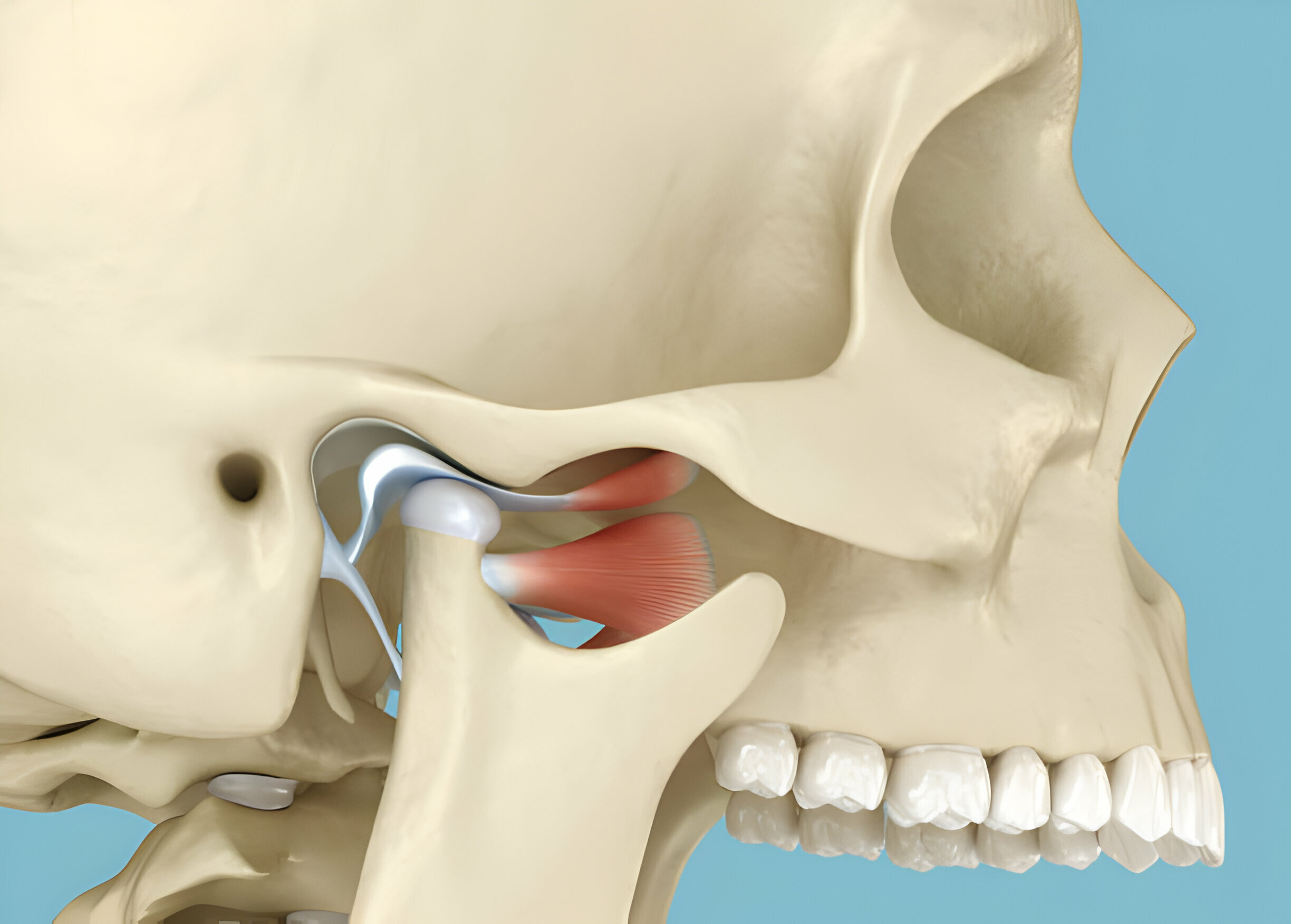
TMJ stands for temporomandibular joint, the hinge that connects your jawbone to your skull. When it does not work properly, it gives you symptoms like jaw pain, headaches, or even difficulty opening your mouth fully.

Studies show that over 10 million Americans are affected by TMJ disorders. TMJ specialists in West Columbia offer personalized care designed to ease your discomfort and restore function.

In this article, we’ll cover:

  • Common symptoms to look out for
  • What causes TMJ disorders
  • Available treatment options

Let’s dive in and explore how you can find relief and get your smile back on track.

Understanding TMJ Disorders

Your jaw does a lot more than just help you talk or eat. It relies on a joint called the temporomandibular joint (TMJ), a hinge connecting your jawbone to your skull. When this joint isn’t working properly, it can lead to what’s known as TMJ disorders.

Common Symptoms

TMJ disorders can show up in different ways, such as:

  • Jaw pain or tenderness
  • Stiffness in the jaw
  • Clicking or popping sounds when opening or closing the mouth
  • Headaches or earaches
  • Difficulty chewing or a feeling that your bite is off

What Causes TMJ Issues?

Several factors can lead to TMJ disorders, including:

  • Teeth grinding (bruxism)
  • Jaw misalignment
  • Stress, which may cause you to clench your jaw
  • Arthritis affecting the joint
  • Injury to the jaw or head

If you’re experiencing ongoing discomfort, it’s a good idea to see a TMJ specialist in Columbia, SC, who can help diagnose the issue and suggest a treatment plan tailored to your needs. 

Why See a TMJ Specialist in West Columbia? 

If you’re struggling with jaw pain, headaches, or clicking sounds when you chew, it might be time to see a TMJ specialist. These experts focus on diagnosing and treating temporomandibular joint disorders (TMJ) that affect your jaw, bite, and overall comfort.

Here’s why choosing a local West Columbia TMJ specialist makes a difference:

  • Personalized Care: Local experts take time to understand your unique symptoms and create a treatment plan just for you.
  • Advanced Tools: West Columbia clinics are equipped with modern diagnostic technology, helping specialists pinpoint the exact issue.
  • Patient-Focused Approach: They’re familiar with the needs of local patients and often provide more approachable, ongoing care.

West Columbia is known for its quality dental care and trusted TMJ professionals, so you don’t have to travel far for expert relief.

Diagnosis and Evaluation Process

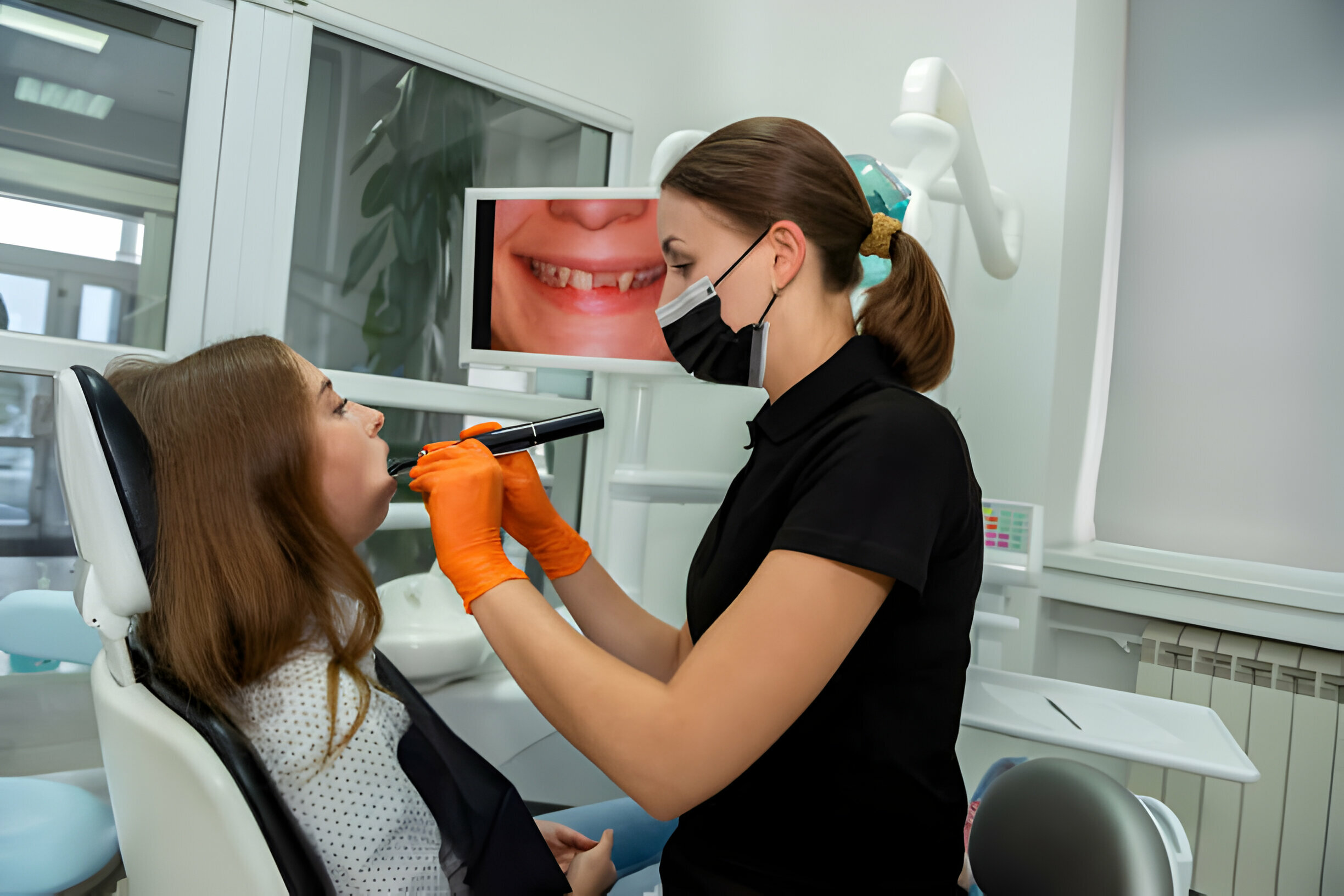
Diagnosing TMJ (temporomandibular joint) disorders starts with a detailed physical exam, where the dentist checks for jaw tenderness, clicking sounds, or difficulty moving the jaw. They may also use imaging tests like X-rays, MRIs, or CT scans to get a clearer view of the joint. In some cases, a bite analysis is done to evaluate how your teeth come together.

Early diagnosis is key; it helps prevent the condition from getting worse and allows for more effective, less invasive treatments.

At Carolina TMJ, local specialists offer a thorough and personalized evaluation, taking time to understand your symptoms and identify the root cause.

Treatment Options for TMJ Disorders 

TMJ disorders can cause daily discomfort, but the good news is that there are several treatment options available, and most don’t involve surgery. The best part? Treatment is usually customized to your unique needs and symptoms.

Non-Surgical Approaches

For many people, simple lifestyle changes can make a big difference. These may include:

  • Reducing stress – Learning to manage tension through techniques like meditation or yoga can help ease jaw clenching.
  • Avoiding hard or chewy foods – Things like gum, nuts, or crunchy snacks can strain the jaw and make symptoms worse.

Other helpful options include:

  • Physical therapy – Specific jaw exercises can improve movement and reduce pain.
  • Splints or night guards – These custom devices prevent teeth grinding and help align the jaw while you sleep.
  • Medication – Over-the-counter anti-inflammatories or prescription muscle relaxants can provide relief during flare-ups.

Advanced Care Options

When conservative methods aren’t enough, more advanced treatments may be considered:

  • Botox injections – These can relax overactive jaw muscles and reduce pain.
  • Orthodontic treatments – Braces or aligners may help correct bite issues that contribute to TMJ problems.
  • Surgery – Rarely needed, but in severe cases, procedures like joint repair or replacement may be recommended.

Everyone’s TMJ story is different, so treatment should be personalized. A healthcare provider can guide you to the most effective plan based on your symptoms and lifestyle.

Expert Tips from West Columbia’s TMJ Specialists

If you’re dealing with jaw discomfort or clicking sounds, small changes in your daily routine can make a big difference. Here are some expert-backed tips from a trusted dentist in West Columbia, SC:

Everyday Habits That Help

  • Improve posture: Keep your head aligned with your spine while sitting or working to avoid extra pressure on the jaw.
  • Avoid chewing gum: It overworks the jaw muscles and can worsen symptoms.
  • Practice jaw relaxation: Rest your tongue gently on the roof of your mouth and allow your jaw to relax.

Manage Stress Gently

  • Try meditation or deep breathing to ease tension in your body and jaw.
  • Gentle jaw stretches can improve flexibility and reduce tightness, just be sure not to overdo it.

When to See a Professional 

If pain, locking, or headaches persist, it’s time to visit a qualified dentist in West Columbia, SC. 

Long-Term Management and Lifestyle Changes

Managing TMJ issues over the long term means making small, consistent lifestyle adjustments. Here’s how you can stay on top of it:

1. Make Smart Food Choices

  • Stick to soft foods that don’t strain your jaw, think soups, smoothies, yogurt, and cooked vegetables.
  • Avoid chewy, crunchy, or sticky foods that can trigger discomfort.

2. Develop Healthy Daily Habits

  • Practice good posture, especially if you sit for long periods.
  • Avoid clenching your jaw or chewing gum out of habit.
  • Use stress-relief techniques like breathing exercises or meditation to prevent jaw tension.

3. Keep Up with Regular Check-Ups

  • Visit your dentist or TMJ specialist regularly.
  • Follow their advice on therapies, mouthguards, or adjustments as needed.
  • Early signs of change or discomfort can be managed better with timely care.

These simple steps can make a big difference in keeping TMJ symptoms under control.

Takeaway

  • Early diagnosis and personalized care from a TMJ specialist in West Columbia can help prevent worsening symptoms and ensure effective treatment.
  • Non-surgical treatments like stress management, night guards, and jaw exercises are often effective in relieving TMJ discomfort.
  • Consistent lifestyle habits and regular dental check-ups play a key role in long-term TMJ disorder management and comfort.
  • Ready to turn the tables with a reliable treatment? Connect with our experts at Carolina Smiles Family Dentistry today! 

TMJ Treatment In Columbia, SC: What You Need To Know

Summary:

How frequently do you experience pain or tenderness around your jaw? If so, it could be a major indicator of a TMJ disorder.

TMJ, or Temporomandibular Joint disorder, causes pain and discomfort in and around the jaws, muscles, and ligaments. The leading causes of this disorder are usually teeth grinding, jaw injuries, and arthritis.

TMJ Treatment In Columbia, SC: What You Need To Know_1

If your TMJ disorder is frequent and recurring, you should consider visiting a West Columbia dentist who can address your issue and suggest effective treatment plans. These professionals help ease your pain and enhance your mandible movement. 

However, a majority of people have limited or no idea about treating TMJ disorder. Many people ignore it, mistaking it for normal pain.  

Keeping this in mind, we shall walk you through critical topics like: 

  • Understanding TMJ Disorder 
  • Different Types of TMJ Disorders – Explained!
  • Procedure for Diagnosing TMJ Disorder
  • Treatment Solutions For Addressing TMJ Disorder

Continue reading as we explore TMJ disorder and its treatment plan in the following sections. 

Understanding TMJ Disorder 

Do you often experience pain and stiffness around your jaw joints that restricts your ability to speak, chew, or even smile? 

Relax; you are not the only one going through this. Stats suggest that over 31% of the population experience these symptoms, which signifies that they have jawbone disorder. 

The TMJ joint (or Temporomandibular Joint) connects your jawbone to your skull, enabling you to move your jaw joints and muscles to move freely. People with TMJ disorder experience symptoms like pain, tenderness, stiffness, and popping or clicking sounds when they move their jaw while opening their mouth or chewing. Others may also experience ear aches or headaches. 

What Causes TMJ?

Multiple factors can contribute to jawbone disorder, including bruxism or teeth grinding, malocclusion, mandible injuries, clenching, and arthritis. During such times, it’s best to connect with your nearest dentist for jawbone disorder, which can elevate your condition and enhance your quality of life. 

Different Types Of TMJ Disorders – Explained!

The jawbone facilitates mandible movement, enabling essential functions such as speaking, chewing, and swallowing. However, when it escalates to temporomandibular joint disorder, it can lead to a range of discomforts and complications. 

Here are the different types of disorders that you need to know:

Myofascial Pain Syndrome (MPS)

Myofascial pain syndrome is the most prevalent type of jawbone disorder, characterized by discomfort or pain in the muscles responsible for mandible movement. 

This condition often manifests as muscle tenderness, restricted jaw movement, and aching facial pain. Due to the persistent discomfort, patients may experience difficulty performing everyday tasks such as chewing or speaking.

Internal Derangement

Internal derangement involves structural abnormalities within the TMJ, typically affecting the positioning of the disc or cushion that acts as a buffer between the jawbone and the skull. 

Displacement or dislocation of this disc can result in clicking, popping, or grating noises during mandible movement, along with episodes of jaw locking or limited range of motion.

Degenerative Joint Disease (Osteoarthritis)

Degenerative joint disease, commonly called osteoarthritis, occurs when the cartilage within the TMJ gradually deteriorates over time. This degeneration leads to inflammation, stiffness, and pain in the affected joint, particularly in older individuals. 

Osteoarthritis-related jawbone disorder can significantly impair function and may necessitate ongoing management to alleviate symptoms and preserve joint function.

TMJ Treatment In Columbia, SC: What You Need To Know_2

Bruxism-related Disorder

Bruxism, characterized by involuntary teeth grinding and clenching, represents a common contributing factor to jawbone disorders. Chronic bruxism places excessive stress on the TMJ and associated muscles, leading to muscle fatigue, joint inflammation, and dental complications such as enamel wear or tooth fractures. Individuals who grind their teeth may experience pain, headaches, and jawbone disorder.

Procedure for Diagnosing Disorder

Diagnosing TMJ disorder involves a multi-step approach to understand the patient’s symptoms of TMJ and assess the function of the joint. 

Here’s an outlook on the diagnostic process:

Step 1 – Medical History Assessment

A specialist dentist initiates the diagnosis by discussing the patient’s medical history, focusing on symptoms related to jaw pain, clicking sounds, chewing difficulties, and any prior injuries or treatments.

Step 2 – Physical Examination

Once your medical history is assessed, a dentist thoroughly examines the joint and surrounding muscles. It includes assessing the joint for tenderness, evaluating the jaw’s range of motion, and observing any signs of TMJ and mandible misalignment.

Step 3 – Diagnostic Imaging

TMJ professionals may sometimes recommend diagnostic imaging such as X-rays, CT scans, or MRI to obtain detailed images of the jawbone and surrounding structures. These images help identify any structural abnormalities or joint disorders.

Step 4 – Functional Assessment

Dentists also perform functional tests to evaluate the jaw’s movement during various activities, such as opening and closing the mouth, chewing, and speaking. These tests provide valuable insights into the jawbone’s function and help identify abnormalities in mandible movement.

Treatment Solutions For Addressing Jawbone Disorder

The complex nature of TMJ disorders and their potential impact on daily activities makes it crucial to adopt a holistic approach to address the condition. 

Here are some TMJ therapy solutions that help in the management of jawbone disorders:

  • Lifestyle Modifications

Patients should make lifestyle adjustments for TMJ treatment in Columbia, SC. This involves techniques like stress and tension release, as stress-related habits like teeth clenching or grinding can cause TMJ discomfort. Additionally, dietary modifications such as avoiding hard or chewy foods can help reduce mandible strain and promote healing.

  • Custom Oral Appliances

For individuals experiencing nocturnal bruxism (teeth grinding) or clenching, custom-fitted oral appliances such as splints or night guards can help protect the teeth and mitigate jawbone-related pain and discomfort. These appliances stabilize the jaw joint, distribute bite forces evenly, and prevent further damage to the temporomandibular joint and surrounding structures.

TMJ Treatment In Columbia, SC: What You Need To Know_3

  • Orthodontic Interventions

Malocclusion (misalignment of the teeth) and bite discrepancies can contribute to jawbone dysfunction by placing undue stress on the jaw joint. In such cases, orthodontic treatment modalities may be recommended to correct alignment issues and improve occlusal harmony including braces, clear aligners, or other orthodontic appliances.

  • Surgical Interventions

Surgical procedures such as arthrocentesis (joint lavage), arthroscopy, or open joint surgery may be indicated to address underlying anatomical issues, repair damaged joint structures, or replace irreversibly damaged dental TMJ components. Before considering surgical intervention, a thorough evaluation by a qualified surgeon is essential to assess preparedness and discuss potential risks and benefits.

Takeaway 

  • TMJ disorder is associated with symptoms like jaw pain, tenderness, stiffness, and clicking sounds, along with possible ear aches or headaches.
  • Jawbone disorders can result from various factors, such as teeth grinding (bruxism), mandible injuries, malocclusion, clenching, and arthritis.
  • Diagnosing jawbone disorder involves multiple steps, including a thorough medical history assessment, physical examination, diagnostic imaging, and functional assessment of mandible movement.
  • Lifestyle changes, such as stress reduction techniques and dietary adjustments, can significantly help manage jawbone symptoms by reducing mandible strain and promoting healing.
  • Customized oral appliances like splints or night guards can safeguard teeth from nighttime bruxism and aid in stabilizing the mandible joint, evenly distributing bite forces to prevent further damage.
  • Are you experiencing similar jaw pain but confused about what it is? Talk to our Carolina Smiles Family Dentistry experts today! 

How To Identify TMJ Symptoms And The Most Common Causes?

Even though TMJ disease is a relatively major problem, many individuals are unaware they have a treatable ailment. What prevents these joints from running normally? It’s a little trickier to respond to this issue due to the numerous variables involved. Here are some potential causes of discomfort if you suffer from a TMJ problem.

This article will discuss the leading causes of this dental condition and the primary reason, per experts at Carolina TMJ. So, let’s get started!

What Is The TMJ?

The temporomandibular joint, often known as the TMJ, connects the jaw to the skull and is situated along both sides of the face. 

It comprises several muscles, ligaments, and soft tissues that control how the jaw moves forward, down, and backward, as well as opening and closing almost like a pivot. These motions provide us complete jaw range of motion, allowing us to talk, chew, breathe, smile, and stretch, among other things.

As Per expert dentists in West Columbia, SC, when a patient experiences issues with the function of their jaw, they are said to have a TMJ condition. As a result, patients may feel uncomfortable and stiff, in addition to various other complaints, instead of moving comfortably and fluidly.

What Symptoms Indicate TMJ?

The degree and underlying cause of your disease will determine how your TMJ difficulties manifest. The most typical sign of TMJ issues is discomfort in the muscles around the jaw. 

Here are some of the common symptoms:

  • Jaw discomfort or stiffness during opening and closing
  • Constant headaches, especially when you first wake up each morning
  • Achy facial muscles, particularly those from around the jaw
  • An earache or ringing that persists
  • The noises seem muted, and your hearing seems clogged.
  • Cracking, crunching, and snapping sounds with your jaw whenever you chew or yawn.
  • Neck or facial swelling

How Are TMJ Problems Dealt With?

A wide range of factors can cause TMJ problems and can also be treated in a wide range of methods. Below are specific common treatments:

Home Remedies

Most often, self-care procedures performed at home can successfully cure the signs and symptoms of TMJ issues. You may do the following yourself to lessen TMJ pain:

  1. Consume liquid food.
  2. To minimize stiffness, use ice.
  3. Minimize jaw motions
  4. Avoid eating rough meals and chewing.
  5. Make efforts to lessen your anxiety.
  6. Increase your jaw mobility by performing workouts that flex your jaw muscles.

Medicines

If nothing is working and your pain only worsens, you must visit a doctor. They can write you prescriptions that will surely lessen your pain and discomfort.

Surgery

Only if significant discomfort persists despite the use of all other methods of treatment may TMJ surgery be recommended. Therefore, even though a TMJ surgery is frequently the best choice, it’s crucial to consider your alternatives and make a well-informed choice.

What Causes TMJ Disorders?

Identifying the specific origin of a person’s TMJ condition might be difficult. It problems can result from injury to the head, jaw, neck, or temporomandibular joints, such as a severe impact or concussion. Hereditary or external conditions are two other prevalent causes of TMJ issues. 

Nevertheless, It can manifest despite all the risk factors mentioned above, making it difficult to pinpoint the actual etiology. In addition, These issues affect women more commonly than they do males. 

It’s a widespread misunderstanding that poor bites or dental appliances cause difficulties, but studies have proved this untrue.

How Might TMJ Be Avoided?

TMJ condition is not always preventable, although you can lessen the problems by managing your anxiety, participating in physical rehabilitation and workouts, and consulting a dentist in West Columbia, SC, if you often clench or grind your teeth during the night.

Using a mouth guard during sleep and taking pain meds are two potential treatments for teeth grinding.

When To See A Doctor?

It frequently results in excruciating jaw and face discomfort. Many patients report that their symptoms develop randomly. They might last for a short while or last for a long time. You could consult an expert if you have jaw discomfort or soreness that lasts more than a few days.

Conclusion

It doesn’t pose a severe risk, but if left untreated, it can result in chronic jaw pain and stress. Additionally, your teeth may sustain damage, and the afflicted muscles could become irritated.

You are not required to bear the discomfort and suffering caused by TMJ on your own. Instead, discuss your concerns with an orthodontist or dentist in West Columbia, SC.