Category : Dental Crowns

What Is the Difference Between a Dental Cap and A Crown?

Introduction

Dental terms have a habit of becoming confusing once they leave the dental office.

Someone says they got a cap years ago. Another person says they needed a crown. Then somebody else talks about having a tooth covered. After hearing enough versions, it starts sounding like several different procedures are being discussed.

Most people naturally assume there must be a difference – why would two names exist if they mean the same thing?

That question comes up more often than people realize.

Part of the confusion stems from the fact that “cap” is a term many people have used for years in everyday conversations. It sounds simple and easy to understand. Crown, on the other hand, is the term patients often hear during dental visits and treatment discussions with Dentists in Columbia, SC.

The result is a lot of uncertainty around what treatment actually involves.

Why does the distinction become confusing?

People are usually not trying to learn vocabulary for its own sake. They are trying to understand what is happening with their tooth.

Questions often sound more like:

  • “Do I need a cap or a crown?”
  • “Are they different procedures?”
  • “Is one better than the other?”

That is usually where the conversation begins.

Dental Cap Vs Crown – The Historic Debate

People rarely start thinking about crowns because everything feels fine. More often, the conversation starts after something changes.

A filling breaks after years of working well. A tooth develops a crack. Sensitivity begins showing up while eating. Sometimes a tooth simply starts feeling weaker than it used to.

Then treatment recommendations enter the picture. This is where terminology sometimes adds another layer of confusion.

A patient hears the word crown during an appointment and later talks with a friend who says they had a cap. Suddenly, it sounds like there are two possible options, even though there may not actually be two separate treatments involved.

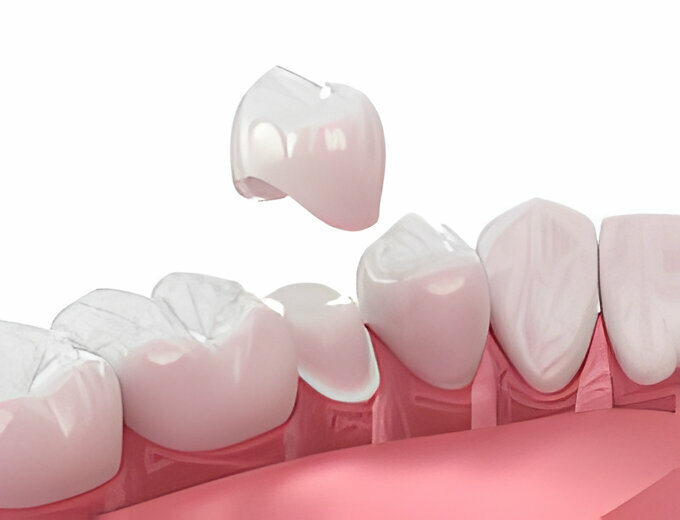
Historically, the term “cap” became popular because it described how the restoration sits over the visible portion of the tooth.

The word itself made sense to people – it caps the tooth.

Dentists in Columbia, SC, however, typically use the term crown because it refers to a specific type of restoration designed to cover and protect damaged or weakened tooth structure.

The Cap & Crown Treatment – How It Works

Confused about what the dentist might suggest during your treatment for dental crowns in Columbia, SC? Here’s a closer look at the procedure:

a. Start by understanding what changed with the tooth:

Crown discussions often begin after something feels different. Some people notice sensitivity. Others experience discomfort while chewing or notice visible damage.

b. Evaluate the amount of remaining tooth structure:

Treatment recommendations depend heavily on the condition of the tooth itself. Not every damaged tooth requires the same approach.

c. Discuss restoration goals moving forward:

Some patients focus on comfort, while others worry about preserving the tooth in the long term. Treatment planning considers both immediate and future concerns.

d. Prepare the tooth if a crown becomes necessary:

The tooth may be shaped so the restoration can fit securely while preserving healthy structure whenever possible.

e. Create a customized restoration:

Crowns are designed around the size, shape, and function of surrounding teeth so they feel natural.

f. Review long-term care recommendations:

Crowns restore teeth, but routine oral hygiene and maintenance remain important after treatment.

At A Glance

Who Qualifies?Patients with cracks or weakened teeth are ideal for the treatment
Process OverviewStep 1

The treatment starts with a physical examination to determine whether you are eligible.

Step 2 

Following the examination, your dentist will place a cap or crown to restore your smile.

Step 3 

Following the placement, it’s time to visit your dentist in Columbia, SC, for routine checkups.

TimelineCap or crown treatments often take one or two visits to complete.
AftercareFollow your dentist’s advice on oral habits.
Location & ContactCarolina Smiles Family Dentistry

3244 Sunset Blvd, West Columbia, SC 29169, United States

Perks of Opting for a Cap and a Crown

While a cap or crown might not sound like the go-to option for many individuals, it brings relief to many. Here are some perks of undergoing the treatment:

a. Helps strengthen weakened teeth:

Teeth deal with repeated pressure every day. Restorative treatment is often discussed when a tooth may no longer feel as strong as it once did.

b. Can help restore normal function:

Eating should not feel like a decision-making process where someone constantly wonders which side feels safer to chew on.

c. Protects remaining tooth structure:

One of the goals is often preserving healthy portions of the natural tooth whenever possible.

d. Supports a more natural appearance:

Patients frequently want treatment to function well without feeling obvious while smiling or talking.

e. Can reduce the feeling of adaptation around a damaged tooth:

People often create small habits without realizing it. Avoiding crunchy foods, favoring one side, and chewing differently. Those adjustments become surprisingly normal over time.

f. May support long-term oral health planning:

Treatment conversations often move beyond today’s problem and toward maintaining function in the future.

g. Can improve everyday confidence:

Many people describe the result in simple terms: they stop thinking about the tooth all the time.

Carolina Smiles – The Local Connection

Life in Colombia moves quickly, and minor dental concerns often remain low on the priority list until they begin to affect daily routines.

A filling that feels different or sensitivity while eating. A tooth that suddenly catches attention after years of feeling normal. Carolina Smiles Family Dentistry works with patients who often ask similar questions:

  • “Do I need a cap or a crown?”
  • “Can the tooth still be saved?”
  • “How serious is this?”

Those conversations typically begin with understanding the condition of the tooth first before discussing treatment options.

Besides, patients with such a condition find comfort knowing that the experts at Carolina Smiles Family Dentistry are there to guide them through the problem at hand.

FAQs

  1. Is a dental cap different from a crown?

In many situations, people use the word cap as another name for a dental crown. The terms are often used to discuss the same type of restoration.

  1. Why do some people say “cap” instead of “crown”?

The word “cap” became a common, everyday term because the restoration covers the tooth.

  1. Does every damaged tooth need a crown?

No. Treatment recommendations depend on the condition of the tooth and the amount of healthy structure remaining.

  1. Can crowns be used after large fillings?

In some situations, crowns may be discussed when a tooth already has a significant restoration.

  1. Will a crown look different from natural teeth?

Modern restorations are commonly designed to blend with surrounding teeth.

  1. Can a crown help restore chewing comfort?

Many patients discuss crowns after noticing changes while eating or biting down.

  1. Does Carolina Smiles Family Dentistry provide crown evaluations?

Yes. Evaluations help determine whether restorative treatment aligns with the patient’s needs.

Conclusion

The words “cap” and “crown” can make dental treatment sound more complicated than it actually is. Many people hear both terms and assume they refer to different procedures, when in reality the conversation often returns to the same goal: protecting and restoring a tooth that needs additional support.

The important part is usually not the terminology itself. What matters more is understanding why the tooth needs treatment and how that restoration can help preserve comfort, function, and long-term oral health. Once the reason behind treatment becomes clear, the wording tends to matter much less.

If you have questions about a damaged tooth or want to learn more, book a call with our experts at Carolina Smiles Family Dentistry today and explore treatment options designed around your needs.
How Long Do Dental Crowns Last? Understanding Longevity and Care

Summary

Dental crowns are durable and effective for restoring damaged or weakened teeth. However, their lifespan can vary depending on several factors, including the type of crown, oral hygiene habits, and overall dental health. This guide delves into the factors influencing crown longevity, provides care tips, and discusses the different types of dental crowns in Columbia that you can choose.

Fun Facts About Dental Crowns

  • Dental crowns have been used for centuries, since as early as 200 AD, with early versions made from gold
  • Crowns can last for up to 30 years
  • Thanks to their close-to-natural appearance and feel, crowns and regular teeth cannot easily be distinguished
  • Crowns can be made from a variety of materials, including porcelain, ceramic, metal, and a combination of these

How Long Do Dental Crowns Last? Understanding Longevity and Care_1

Understanding Dental Crowns

Imagine your tooth as a sturdy pillar supporting your smile. But what happens when that pillar starts to crack or crumble? That’s where dental crowns come in.

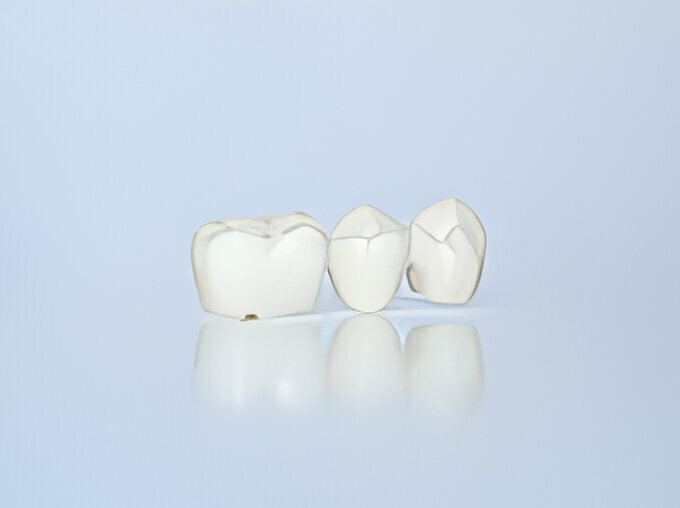
A dental crown is a custom-made cap that fits snugly over a damaged tooth. It’s like giving your tooth a strong, protective helmet! Dentists use crowns to rescue teeth that have been:

  • Weakened by cavities: Think of a crown as a life jacket for a tooth that’s seen better days.
  • Compromised by root canals: After a root canal, a crown acts as a shield, protecting the treated tooth.
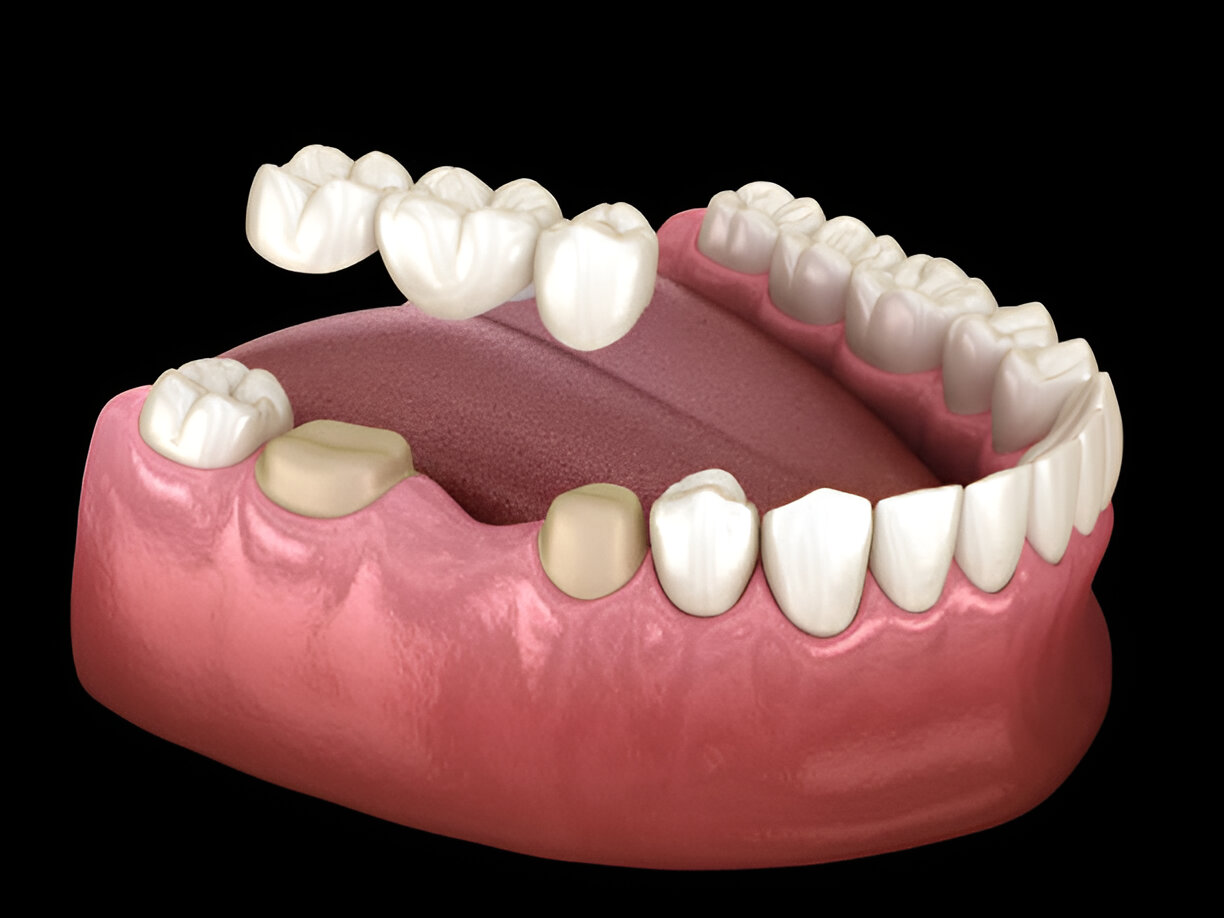
  • Bridging the gap: Crowns are key players in dental bridges, helping to anchor artificial teeth in place.
  • Hiding imperfections: A crown can boost your smile confidence by covering up chips, cracks, or discoloration.

So, whether your tooth is feeling fragile, has seen better days, or just needs a little makeover, a dental crown might be the perfect solution.

Choosing the Right Crown: A Quick Guide

So, you need a crown. But with so many options, how do you pick the perfect one for your smile? Let’s break it down.

All-Ceramic or Porcelain Crowns

These crowns are the natural look-alikes of your teeth. They’re made entirely of porcelain, making them a popular choice for front teeth. However, they might not be the strongest option for those who grind their teeth.

Metal Crowns

Metal crowns, typically made from gold or alloys, are built for strength. They’re durable and long-lasting, making them a good choice for back teeth. But let’s be honest, they’re not the most stylish option.

Porcelain-Fused-to-Metal Crowns

Porcelain-fused-to-metal crowns are like the best of both worlds. The outer layer is porcelain for a natural look, while the metal core provides strength. They’re a good balance of aesthetics and durability.

Zirconia Crowns

Zirconia is a strong ceramic material that offers a natural look without the metal base. It’s an excellent option for those who want metal strength and porcelain’s beauty.

Remember: The best crown for you depends on factors like the location of the tooth, your bite, and your aesthetic preferences. Your dentist will help you choose the right one for your smile.

How Long Does Your Crown Stick Around?

Dental crowns can last between 5 and 15 years or even longer with proper care. However, several factors can influence this lifespan:

  • Porcelain Crowns: These crowns typically last between 5 and 15 years with good oral hygiene.
  • Metal Crowns: Known for their durability, metal crowns can last 10 to 25 years or more. Studies have shown that they have a survival rate of 85% after 10 years.
  • Porcelain-Fused-to-Metal Crowns: These crowns combine the aesthetics of porcelain with the strength of metal and can last 10 to 20 years.

Note: These are just estimates. How well you look after your crown makes a huge difference.

How Long Do Dental Crowns Last? Understanding Longevity and Care_2

What Can Shorten Your Crown’s Lifespan?

So, you’ve got your shiny new crown, and you want it to last as long as possible, right? Let’s discuss the things that can shorten its lifespan.

Material

The type of crown material significantly impacts durability. While porcelain crowns are aesthetically pleasing, they may be less durable than metal crowns. A study published in the Journal of Prosthetic Dentistry found that metal crowns have a higher survival rate than porcelain crowns.

Oral Hygiene

Consistent brushing, flossing, and regular dental checkups are essential for preventing decay and gum disease, which can affect the crown’s base. Poor oral hygiene is a leading cause of crown failure, with statistics showing a direct correlation between gum disease and crown loss.

Bite Force

Excessive grinding or clenching, known as bruxism, can put undue stress on the crown, leading to premature wear. Studies show that people who grind their teeth are twice as likely to experience crown failure as those without this habit.

Location of the Tooth

Crowns on back teeth, which bear more chewing force, may experience faster wear. Multiple studies have shown that molars typically experience 25% more pressure than front teeth, increasing the risk of crown damage.

Accidents and Trauma

Injuries to the mouth can damage or dislodge a crown. According to the National Institutes of Health (NIH), dental trauma is a common cause of crown failure, accounting for approximately 15% of all crown replacements.

Remember, taking good care of your crown is like having a loyal sidekick. If you treat it right, it’ll stick by you for years.

How to Keep Your Crown Happy

Think of your crown as a tiny superhero. It needs your help to stay strong. Here’s how to keep it happy:

  • Practice excellent oral hygiene: Brush twice daily with fluoride toothpaste, floss regularly, and use mouthwash.
  • Regular dental checkups: Visit your dentist for routine cleanings and examinations to monitor the crown’s condition. According to the American Dental Association, dental checkups should be scheduled every six months.
  • Avoid biting hard objects: This can put excessive stress on the crown and lead to damage.
  • Wear a nightguard: If you grind your teeth, a nightguard can protect your crown from excessive wear.

Following these tips can help your crown live a long and happy life.

How Long Do Dental Crowns Last? Understanding Longevity and Care_3

Is Your Crown Showing Signs of Wear and Tear?

Your dental crown is a hardworking little cap, but even superheroes need a break sometimes. Here are some signs that your crown might be calling it quits:

  • Discoloration Alert: Notice a dark line creeping up your gum line? It could mean trouble underneath your crown.
  • Pain or Sensitivity Party: If your tooth seems extra sensitive to hot or cold, it’s time to check in with your dentist.
  • Loose Tooth Club: A loose crown is like a wobbly tooth. It can lead to bigger problems if left untreated.
  • Cracked or Chipped Crown: A chipped or cracked crown is like a broken shield, leaving your tooth vulnerable.

If you spot any of these signs, don’t panic. Contact our experienced dentists in West Columbia, SC, for a thorough examination and expert advice. We’ll help you restore your smile and ensure optimal oral health.

Takeaway

Dental crowns are a valuable restorative option that can significantly improve oral health and smile. By understanding the factors that influence their longevity and practicing good oral hygiene, you can extend the life of your crown and enjoy its benefits for years to come.

  • Dental crowns are a durable and versatile solution for restoring damaged teeth
  • Proper oral hygiene and regular dental checkups are essential for crown longevity
  • Choose the right crown material based on your needs and preferences
  • Watch for signs of wear and tear, and schedule prompt repairs
  • Regular dental visits are crucial for monitoring your crown’s health
  • Invest in a mouthguard if you grind your teeth
  • Don’t hesitate to contact your dentist if you have any concerns

Remember: Regular dental checkups are essential for maintaining the health of your crown and preventing potential problems. If you notice any damage or discomfort, contact Carolina Smiles Family Dentistry and our experienced dentists in West Columbia, SC.

Everything You Need to Know About Porcelain Crowns

Summary

Everyone wants a dazzling smile! 

However, sometimes, your smile needs a little help. 

Porcelain dental crowns, or caps, are custom-made tooth-shaped covers placed over a tooth to give you a celeb-like smile. Interestingly, however, that’s not all! 

These orthodontic appliances also restore the shape, size, and strength while improving the appearance of your smile.

Everything You Need to Know About Porcelain Crowns_1

Let’s learn more about porcelain crowns in the following sections via topics like:

  • Understanding Porcelain Crowns – What is it About?
  • The Process of Getting a Dental Crown
  • What To Expect After Completion of a Porcelain Crown Procedure?
  • Do You Need A Crown?
  • How Long Do Porcelain Crowns Last?
  • Tips to Care for Your Dental Crowns

So continue reading as we learn more about oral crowns in the following sections. 

Understanding Porcelain Crowns – What is it About?

Porcelain crowns procedure (all-ceramic crowns) are dental caps covering a broken or affected tooth. They are designed to be placed on teeth to restore their function and appearance, making them a great option for protecting and strengthening teeth that cannot be repaired with fillings or other dental treatments.

Unlike gold or metal crowns, porcelain crowns are very similar in color and translucence to natural teeth, making them a popular choice for cosmetic dental operations.

Interestingly, the process of getting crowns is relatively straightforward! Continue reading as we learn more about the process in the next section. 

The Process of Getting a Dental Crown

Getting a crown typically requires two visits to your dentist. Initially, your dentist examines the tooth in need of a crown. Once they have an idea of the current condition of your tooth, your dentist in West Columbia, SC, ensures that your tooth can support the prosthesis.

Later, the dentist will file away a significant portion of the tooth enamel to prepare it for the dental crown. However, if there is too much damage, your dentist may fill the tooth to retain the crown. 

Once the process of scanning and filing is complete, your dentist will create an imprint of the tooth and send it to the lab to ensure it adjusts to your jaw. You may also be given a temporary crown while you wait for your permanent crown from the lab.

In the final stages, your dentist will glue the crown on your broken tooth using a specific adhesive. You may also need minor tweaks to guarantee a great fit. 

Getting used to the prosthesis may take some time, but it should work, feel, and look like a healthy tooth. Interestingly, you can get crowns on both front and rear teeth. Let’s learn more about them in the following section. 

Everything You Need to Know About Porcelain Crowns_2

Getting Porcelain Crowns on Front Teeth

Porcelain crowns are commonly placed on the front teeth. They are the most visible teeth, and receiving dental crowns there may significantly improve your smile. Imperfect or damaged teeth can be a major concern for your health, self-esteem, and appearance.  

Getting Porcelain Crowns on Molars

You can also have porcelain crowns for teeth like molars and rear. Dentists typically prescribe metal crowns for molars since they are not apparent. Metal crowns also provide increased durability. However, if you are allergic to metals, your dentist may recommend porcelain crowns for your teeth.  

They evaluate and assess your dental health to pick the appropriate crown for your needs. Crowns are chosen based on your unique issues, needs, position, and visibility of the teeth to be capped. 

What To Expect After Completion of a Porcelain Crown Procedure?

Once the porcelain crowns are in place, you must allow your mouth to recover. Following the recovery, you can resume your usual diet. However, you must brush and floss your crown like normal teeth. 

Your dentist may advise you to use toothpaste designed for sensitive teeth for a period following the crown placement operation. This is because it may take some time for your teeth to adjust to the presence of a crown in your mouth. 

If you feel any kind of discomfort after having a crown for several days or a week, you should see your dentist to confirm whether the new crown has fit precisely in your bite. 

Do You Need A Crown?

Dental crowns effectively treat decaying teeth, fractured fillings, broken or cracked teeth, large fillings, root-filled teeth, and other cosmetic dentistry issues. Furthermore, if you have a tooth causing mental or physical suffering due to its defective look, you might consult a dentist specializing in crowns. 

How Long Do Porcelain Crowns Last?

While porcelain crowns are robust and may last long, they must be maintained and evaluated regularly. Additionally, you may need to replace them if they are chipped or broken.

Small chips in porcelain crowns can be fixed using composite resin without replacing the entire crown. However, bigger chips or severe chipping may necessitate a crown replacement.

Remember, crowns can become loose or even fall off if they are not correctly fitted or the cement has washed out below them.

Tips to Care for Your Dental Crowns

While porcelain and other dental crowns are less susceptible to cavities, you must still take excellent care of your upgraded teeth, including frequent brushing and flossing.

Deep cleaning is another dental procedure provided by several dental facilities.

If you do not exercise basic dental hygiene, you may still develop cavities and tooth rot beneath a porcelain or other type of crown.

Everything You Need to Know About Porcelain Crowns_3

Remember that crowns can still stain, especially if you drink coffee or red wine frequently, which discolor natural teeth.

Teeth whitening solutions do not work on caps or crowns; therefore, if you want to whiten your natural teeth, you should consult your dentist and consider replacing or updating your crown with white teeth caps.

Takeaway

  • Porcelain dental crowns, or caps, are custom-made tooth-shaped covers placed over a tooth to give you a celeb-like smile. 
  • While porcelain crowns are robust and may last long, they must be maintained and evaluated regularly. 
  • Once the porcelain crowns are in place, you must allow your mouth to recover. 
  • Getting a crown requires two visits to your dentist: a checkup and crown placement. 
  • Unlike gold or metal crowns, porcelain crowns are very similar in color and translucence to natural teeth, making them a popular choice for cosmetic dental operations.
  • Still confused about the possibilities of a great smile with crowns? Visit our experts at Carolina Smiles Family Dentistry to learn more today! 

What to Expect When Getting A Dental Crown?

Summary:

Our teeth experience daily wear and tear. They initially begin with minor decay, which leads to the spread of infection and, ultimately, tooth loss. 

To prevent further damage, you must protect your teeth during the initial stage of decay. One effective way to do so is to use dental crowns to preserve natural teeth.

What to Expect When Getting A Dental Crown?_1

Like fillings, oral crowns can restore oral health and give you a complete smile makeover. 

However, there’s still much confusion around dental crowns, which makes people avoid obtaining dental crowns. Keeping that in mind, we shall delve into topics like:

  • Dental Crowns x Modern Dental Prosthetics
  • Types Of Crowns – Innovation In Dental Restorations
  • A Detailed Description Of The Procedure For Getting Dental Crowns 

Continue reading as we understand the procedure of getting caps in the following sections. 

Dental Crowns x Modern Dental Prosthetics

Improper and irregular oral hygiene is primarily the culprit for damaged and decayed teeth (among other reasons). However, these are some of the common problems which can be easily fixed via dental prosthetics. 

Crowns are commonly employed to address extensive decay, fractures, large fillings, and cap or anchor implants or bridges. In addition to improving oral aesthetics, oral caps offer functional benefits by enhancing bite alignment and safeguarding weakened teeth against further damage.

Role of Crowns in Smile Dentistry & Aesthetics

Dental crowns in West Columbia, SC, are imperative to preserve teeth among various treatment options. These appliances serve as a protective cover for damaged or weakened teeth, aiming to restore their strength, shape, and aesthetics. 

Interestingly, 95% of these crowns are strong enough to last up to five years. They are designed using materials like porcelain, ceramic, metal, or a combination of both to envelop the visible portion of a tooth above the gum line. 

What’s more? These appliances can be custom-made to match the color and contour of natural teeth, seamlessly blending into your smile. 

Types Of Crowns – Innovation In Dental Restorations

Dental crowns are crucial tools in restorative dentistry. They aim to reinforce damaged teeth and restore their functionality and aesthetic appeal. Over time, oral technology has evolved, offering various types of crowns tailored to meet diverse patient needs. 

Understanding the distinctions among these types can help patients make informed decisions alongside their dental practitioners. So, let’s have a look at the different types of appliances in this section:

Metal

Metal crowns have stood the test of time among the earliest forms of crowns due to their exceptional durability and strength. Typically crafted from alloys like palladium, gold, or base metal alloys, these caps boast remarkable longevity, making them ideal for teeth that withstand heavy chewing forces. 

Despite their unparalleled functionality, the metallic appearance may deter individuals seeking a more natural look, especially for front teeth. Therefore, it’s best for individuals who opt for the treatment for its functionality rather than aesthetics. 

What to Expect When Getting A Dental Crown?_2

Porcelain-Fused-to-Metal (PFM)

PFM crowns fuse the functionalities of metal with the aesthetic appeal of porcelain, gaining popularity as a versatile solution for both anterior and posterior teeth. These crowns feature a metal substructure covered with a layer of tooth-colored porcelain, balancing durability and aesthetics. 

However, the porcelain portion may exhibit wear over time, potentially revealing the underlying metal, particularly along the gum line. Therefore, it’s best for individuals who regularly have oral checkups. 

All-Ceramic

All ceramic crowns, known for providing a natural appearance, are fabricated entirely from ceramic or porcelain materials. This type of crown closely mimics teeth’s natural translucency and shade, making them particularly suitable for highly visible areas. 

Advances in ceramic technology have bolstered their strength and resilience, rendering them a preferred choice for patients seeking durability and aesthetics.

Zirconia

Zirconia, a robust and biocompatible material, has revolutionized modern dentistry. It offers an alternative to traditional metal-based caps. Zirconia crowns exhibit exceptional strength and fracture resistance, making them suitable for posterior teeth subject to significant biting forces. 

Moreover, their metal-free composition eliminates concerns related to allergic reactions, appealing to patients with sensitivities to metal components. It is among the best crown therapy alternatives. 

Composite Resin

Composite resin crowns are a cost-effective and practical solution from tooth-colored composite materials. They are designed to mimic the natural look of the gums. 

While primarily utilized for temporary or interim restorations, composite resin crowns provide a viable option for individuals seeking immediate aesthetic improvement. Despite their affordability, composite resin caps may exhibit greater susceptibility to wear and staining than their ceramic counterparts.

A Detailed Description Of The Procedure For Getting Dental Crowns 

Dental crowns are pivotal in modern dentistry, providing solutions for damaged, decayed, or aesthetically compromised teeth. Understanding the process of obtaining caps can alleviate apprehension and ensure a smooth journey toward restoring your smile. 

Below, we delve into the intricate steps involved in this transformative dental procedure:

Step 1: Initial Assessment And Consultation

The journey begins with an initial consultation with a trusted dentist in West Columbia, SC. During this pivotal meeting, the dentist will discuss your concerns, whether a fractured tooth, extensive decay, or cosmetic enhancement. 

They will conduct a thorough examination, utilizing the latest diagnostic tools to assess the condition of the affected tooth and surrounding structures.

Step 2: Treatment Planning And Decision-Making

After the assessment, your dentist will devise a personalized treatment plan tailored to your unique needs and preferences. 

Together, you’ll explore various options, including the type of crown material (such as porcelain, ceramic, metal, or a combination) and considerations regarding durability, aesthetics, and cost. All these details will help you make informed decisions regarding your oral health.

Step 3: Tooth Preparation

With the treatment plan finalized, the journey progresses to the tooth preparation phase. This step involves numbing the tooth and adjacent tissues with a local anesthetic to ensure a comfortable experience. 

Next, the dentist will meticulously shape the tooth to accommodate the crown. This process may entail removing any decayed or damaged portions, reshaping the tooth structure, and creating a stable foundation for the crown.

What to Expect When Getting A Dental Crown?_3

Step 4: Impression Taking

Precision is paramount in crafting a custom-fitted dental crown that seamlessly blends with our natural dentition. To achieve this, your dentist will take detailed impressions of the prepared tooth and surrounding teeth. 

Traditionally, this involved using oral putty to create physical molds. However, technological advancements have introduced digital impression systems, offering unparalleled accuracy and efficiency.

Step 5: Temporary Crown Placement And Final Restoration

While our skilled dental technicians fabricate permanent crowns, our dentist will place a temporary crown to safeguard the prepared tooth and maintain aesthetics. This interim restoration provides protection and functionality until the final restoration is ready. 

Once the permanent crown is ready, you’ll return to our clinic for placement. Your smile professional will assess the crown’s fit, color, and contours before it is permanently bonded into place to complete the restoration process.

Takeaway: 

  • Dental issues like decay and damage can lead to tooth loss if not addressed in time. 
  • Crowns act as protective covers for damaged or weakened teeth, restoring their strength, shape, and appearance.
  • Dental caps can be made from various materials such as porcelain, ceramic, metal, or a combination. 
  • Different caps include metal, porcelain-fused-to-metal (PFM), all-ceramic, zirconia, and composite resin crowns. 
  • Precision is essential in crafting custom-fitted oral caps that blend seamlessly with natural teeth. Dentists take detailed impressions of the prepared tooth and surrounding teeth to ensure an accurate fit.
  • Crowns are a great way to fix your smile and overall oral health. Don’t miss the opportunity to revamp your smile with our Carolina Smiles Family Dentistry professionals today!

How Long Do Porcelain Crowns Last?

Dental crowns are made to encase a tooth as they strengthen weak teeth completely. Besides, this reliable dental ailment also helps enhance your smile, ultimately adding to your confidence and how you feel about yourself.  

However, getting a crown for dental treatment isn’t that easy. A dental crown in Columbia, SC, can be formed using various materials, each of which is quite durable and serves a unique personality. 

So if you’re a beginner and getting porcelain crowns, chances are that you might’ve already asked yourself about their longevity. To address your question about their longevity, we have chalked out a few factors to help you get a detailed insight into the procedure. 

Therefore, continue reading as we delve into the different aspects of porcelain crowns and explore how these dental ailments help your everyday life in the following sections. Let’s get started. 

What Functions Do Crowns Serve?

When a fractured or a cracked tooth needs to be restored, dental crowns Columbia, SC, are frequently suggested. Suppose you have an extensive filling and not enough natural tooth left. In that case, your West Columbia dentist also may recommend a restoration since they can reinforce weak or damaged teeth and prevent additional harm. Dental bridges are also fastened to crowns.

Crowns can be made from metal alloys, base metals like nickel, chrome, and cobalt, and high precious metals such as gold, platinum, silver, palladium, and porcelain. 

Your financial and cosmetic objectives will both have an impact on which type is most suitable for you.

Which Crowns Are The Most Durable?

Depending on the materials used in their manufacturing, specific crowns may last longer than others. For instance, metal crowns often stay better because metal is more resilient than porcelain. 

Nevertheless, some patients choose porcelain crowns because they can be customized to closely match the color of their natural teeth. PFM (porcelain-fused-to-metal) crowns provide a balanced option for those seeking both durability and an aesthetically pleasing appearance.

How Long Do Dental Crowns Last?

Porcelain crowns on teeth typically last for about 15 years. However, it’s an approximate number. Additionally, high-quality front tooth crowns can last up to thirty years or beyond, even for all eternity.

The crown’s material construction is another factor. Crowns made of porcelain or fused material survive for five to fifteen years. Metal crowns have a 20+ year lifespan. Crowns made of gold and zirconia are durable for life.

Additionally, experts think that front-tooth crowns last longer than back-tooth crowns. Moreover, the likelihood of failure when getting a crown for your front teeth is relatively low. This is because the typical materials used to build crowns, such as porcelain, gold, or metal, do not degrade.

But you shouldn’t let that make you careless. The primary factor determining the longevity of your front-tooth crowns will be ‘YOU.’ The most significant determining factor is how well you stay on top of your teeth and the crown.

Your lifestyle decisions can impact the damage and wear that your crown endures. Certain behaviors can quicken the wear and tear process. can bring about the premature failure of your crowns.

Porcelain Vs. Metal Crown

Usually, people opt for porcelain crowns as they guarantee the best appearance and usefulness. In addition, they may perfectly match the shape and color of your tooth because they are constructed of porcelain and seem very close to actual teeth.

Before the introduction of porcelain caps, metal crowns were the only option for protecting decayed teeth or restoring a tooth following root canal therapy. Chromium, nickel, or gold alloy are used to make metal crowns, sometimes known as “silver tooth caps.” 

Although these silver dental caps are sturdy and long-lasting, porcelain dental crowns in Columbia, SC, are more aesthetically beautiful. Therefore, it could seem odd when someone with silver dental caps smiles or laughs.

How Can Their Durability Be Increased?

The best way to maintain your crowns in good shape is to maintain oral hygiene daily. This entails washing your teeth at least twice a day, brushing every day, and visiting your West Columbia dentist every six months for an examination and cleaning.

In addition, the kind of crown you select, the general condition of the tooth being restored, and whether or not you crush your teeth can all impact how long your dental crown lasts.

To prevent more wear and tear, it is essential to stop tightening your jaw and crushing your teeth. Additionally, it is advised that you avoid using your teeth as tools. Avoid opening packages with the teeth, as this could harm your dental crowns.

Conclusion

In the end, there is yet to be a clear answer to how long temporary crowns last. However, the longevity of your dental crowns is generally determined by how well you take care of them and maintain good oral hygiene. Besides, it’s always wise to care for your dental health and care best for it. 

Get Your Porcelain Right With The Professionals

Getting porcelain crowns can be challenging, especially when trying them for the first time. But what if we told you that we have Carolina Smiles Family Dentistry professionals that take your smile to the next level? So wait no more; book your appointments at Carolina Smiles Family Dentistry or call us at (803) 794-2273. 

How Long Do Dental Crowns Last On Front Teeth?

When seeking answers about the life expectancy of a dental crown, the response might be very vague. The truth about the expectancy of a dental crown invariably ends with the words, “Your endurance might differ.”

Similar to how new product commercials highlight their efficiency and cost-effectiveness, crowns are the same. A crown that is correctly fitted, using suitable materials, by a trained dentist in West Columbia, SC, and then given the proper oral care should endure for many years, possibly for the rest of the patient’s condition.

Dental crowns aren’t any unusual from other human endeavors. However, most of the time, there are only some assurances of flawless outcomes. Therefore, to understand better, let’s delve into the different aspects of using the crowns in the following sections.  

What Might Shorten Their Life Expectancy?

If they are appropriately cared for and sought after, dental crowns in Columbia, SC, or anywhere around the globe will last about thirty years. However, a dental implant’s life could be shortened for various reasons, much like any other medical implant:

Dental Care

It will help if you continue caring for your dental implant the same way you did your healthy teeth after having one placed. In addition, you must ensure that your gums and jaw are sturdy enough to support the metal root’s appropriate connection.

Any gum disease must be addressed before implant placement, and your dentist will assess if your jaw is highly dense to support an implant firmly.

Even while titanium and the ceramic crown installed on top of the implant are both resistant to deterioration, the gums and teeth surrounding them are not.

Life Routines

Lifestyle choices, such as routine drinking and smoking, can substantially impact how long implants last after being implanted.

It is essential to consider this at the start of your internal fixation procedure. For your prostheses to heal correctly, your body needs sufficient blood circulation to the treatment region. The effects of nicotine on your circulation, oxygen delivery, and blood circulation may impede your recovery.

Damage Or Injury

A short lifespan for dental implants is possible due to unavoidable circumstances. Porcelain crowns are a permanent substitute for dental implants. However, they are not indestructible. Ceramic crowns are susceptible to breaking and cracking, just like natural teeth.

Health Issues

Certain underlying medical conditions may shorten the lifespan of your cap teeth. For example, having a disease or a weakened immune system can affect how effectively your treatment works and how long your implants will last before they need to be replaced.

If you have diabetes or a compromised immune system, you could be more vulnerable to illness, and your system may take longer to recover and mend.

How well your dental treatment lasts depends on how well you manage your diabetes. If your insulin is not under control, you run a higher risk of becoming ill and experiencing organ failure.

Either of these variables may affect your front crown’s teeth’ longevity and oral health. 

Before beginning treatment, discussing your options with the dentist and taking care of potential health issues is recommended. Then, after the operation, they can decide if implants are the best option for you.

Estimating The Potential Lifetime of A Crown

Even though teeth crowning is an excellent approach to repairing long fractured teeth, there must be enough tooth tissue for the front teeth with crowns to cling to. 

After determining that your tooth can support a crown, your dentist will ensure that the repairing is snugly secured over the tooth to prevent open spaces that can capture floss or become food traps. 

If the crown is poorly fitted, it may inevitably get loose and fall off. A crown that has fallen out can be re-cemented by your dentist, but eventually, it will have to be replaced.

You might be able to extend its lifespan for a few more years, but generally speaking, if the initial bond is compromised, a new crown is required to restore it.

If your dental crowns in Columbia, SC, fit well, you won’t need a replacement for at least ten years. Most dental insurance plans permit crown repair on a tooth after five to seven years.

Conclusion

Crowns are a medical treatment for weak or broken teeth. Crowns are another option for enhancing your appearance. Most insurance carriers cover between 50 and 60 percent of the cost of replacing your crown. 

The materials used, the number of crowns fitted, and the degree of tooth preparation all affect the price. The best ways to heal your damaged teeth can be discussed with your dentist in West Columbia, SC.

Forget Worrying About The Longevity Of Your Dental Crowns

Caring for your dental crowns under the right experts is as easy as possible. With our dental care experts at Carolina Smiles Family Dentistry, you’re under continuous examinations and testing to get a perfectly healthy smile. Know more about the process. Call us at (803) 794-2273 or visit our store.