Category : porcelain crowns for teeth

The Process of Getting Porcelain Crowns: What to Expect

Summary

Porcelain crowns for teeth are a versatile solution to restore damaged or decayed teeth, providing both durability and a natural look. This blog will guide you through the entire process, from the initial appointment to aftercare, while exploring why dentists in West Columbia recommend porcelain crowns for their patients. You’ll also learn about the costs, potential complications, and the expected lifespan of these dental restorations, helping you make an informed decision.
 

The Process of Getting Porcelain Crowns: What to Expect_1


What Are Porcelain Crowns?

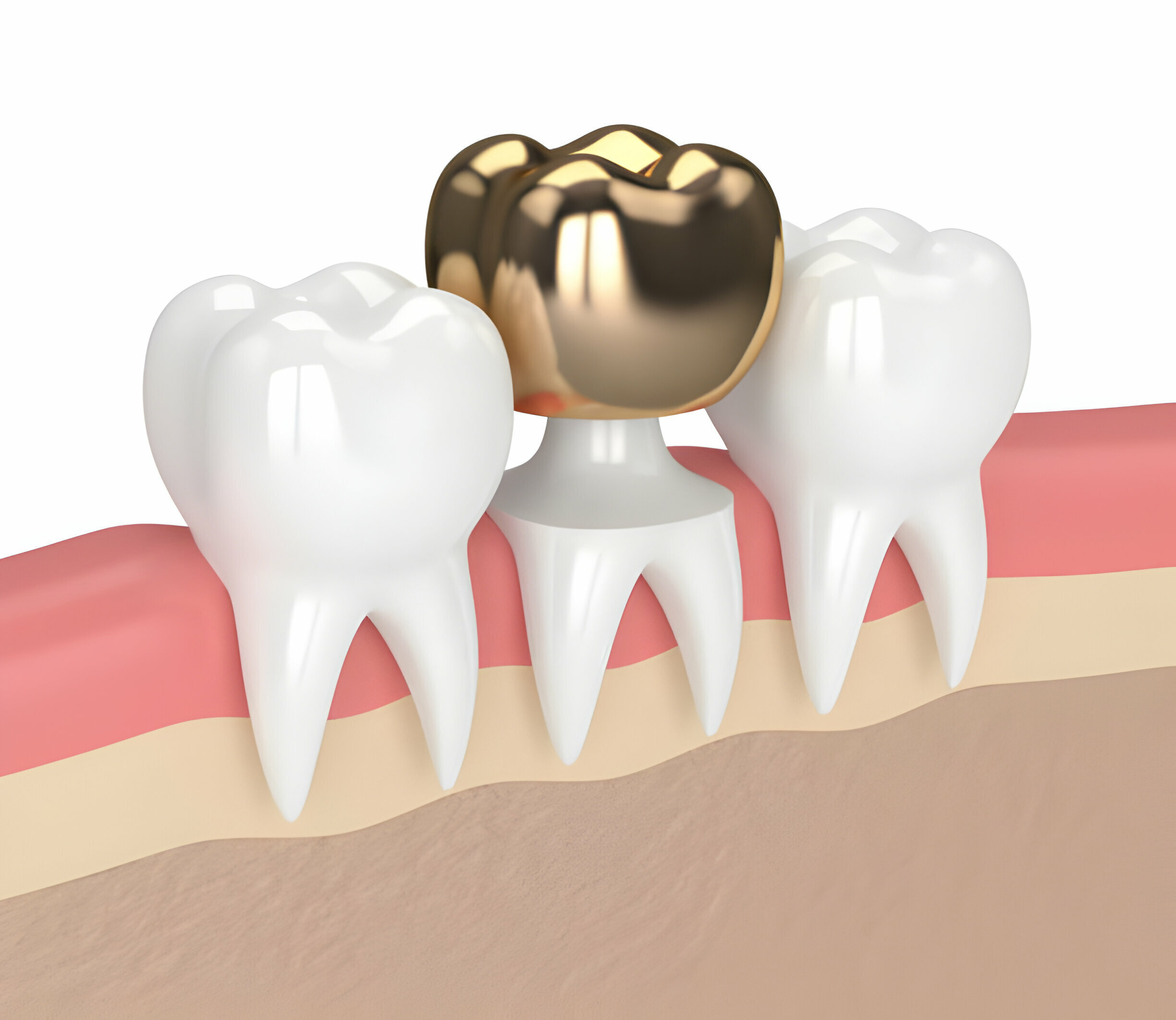
Porcelain crowns are caps fitted over damaged or decayed teeth to restore functionality and appearance. They are primarily used when a filling isn’t insufficient, or a tooth is too weak to sustain its structure. At Carolina Smiles Family Dentistry, porcelain crowns are famous for their durability, aesthetic appeal, and compatibility with natural teeth color.

Crowns can be made from various materials, but porcelain offers the best strength and visual appeal, making them ideal for front and back teeth.

Why Do You Need Porcelain Crowns?

Not every tooth needs a crown, but when a tooth is extensively damaged or at risk of breaking, dentists in West Columbia often recommend porcelain crowns as the best restorative solution. The most common situations requiring crowns include:

  • Large Cavities: When a filling won’t suffice, a crown helps reinforce the tooth.
  • Post-Root Canal Treatment: Teeth that undergo a root canal are more fragile and require protection.
  • Cracked or Fractured Teeth: A crown shields the tooth from further damage and pain.
  • Tooth Wear: Crowns help protect teeth from further degradation in severe wear cases.

Types of Porcelain Crowns

While porcelain crowns are generally categorized as “all-porcelain,” there are variations in materials and techniques:

  • All-Porcelain Crowns: Made entirely from porcelain, these crowns are the most natural-looking option. They’re particularly suited for front teeth where aesthetics are critical.
  • Porcelain-Fused-to-Metal (PFM) Crowns: These crowns combine the aesthetic benefits of porcelain with the strength of a metal core, making them more durable than all-porcelain crowns but slightly less natural-looking.
  • Zirconia Crowns: Zirconia is a more robust material than traditional porcelain, making these crowns more resistant to cracks and chips while maintaining a tooth-like appearance.

What to Expect During the Procedure

Getting porcelain crowns usually requires two dental visits. Here’s what happens at each step:

First Appointment: Preparation and Impressions

  1. Examination: Your dentist will examine the tooth using X-rays to assess its health and the surrounding area.
  2. Tooth Preparation: A portion of the tooth’s outer structure is filed down to make space for the crown.
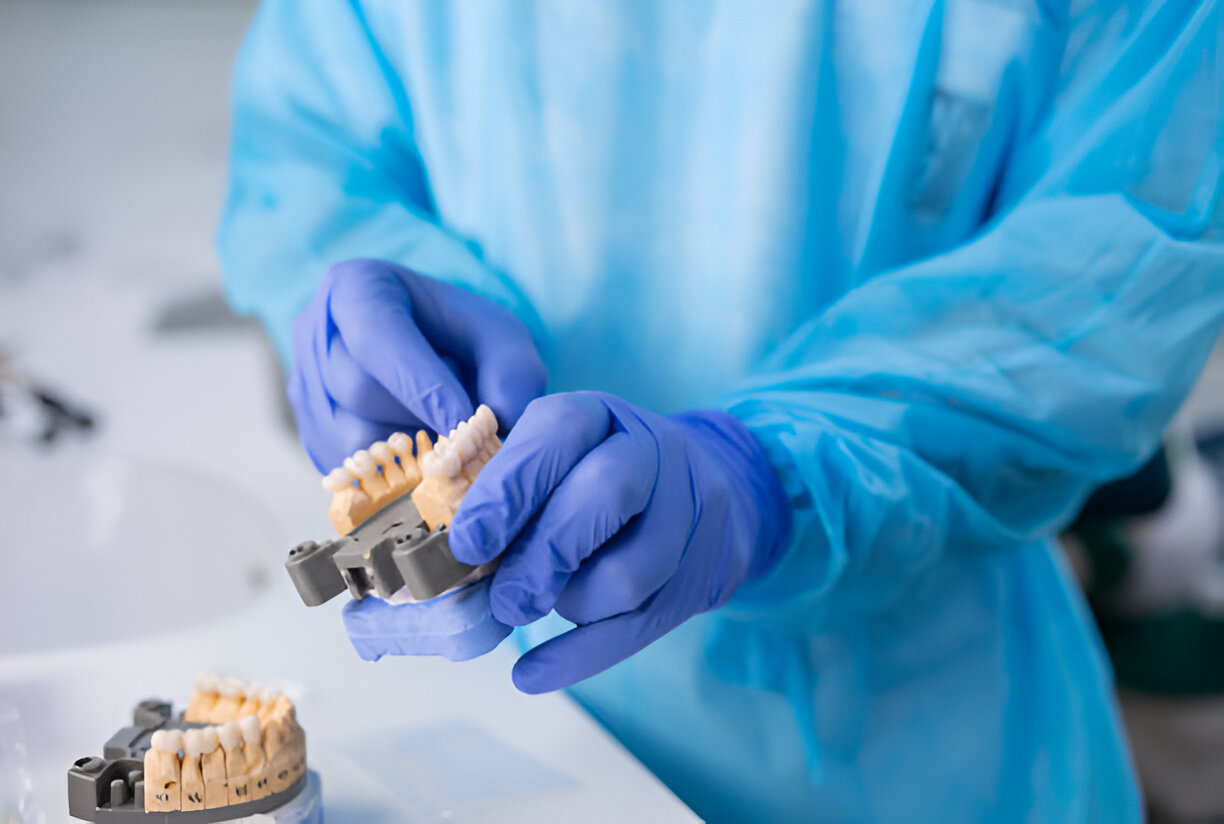
  3. Molds or Scans: After shaping the tooth, an impression or digital scan is taken to create a model for your crown.
  4. Temporary Crown: While your permanent crown is created, a temporary crown is placed to protect the tooth.

The Process of Getting Porcelain Crowns: What to Expect_2

Second Appointment: Crown Placement

  1. Permanent Crown Fitting: During the second visit, your dentist removes the temporary crown and fits the permanent one.
  2. Adjustments: The crown is checked for proper fit, and any necessary changes are made to ensure a comfortable bite.
  3. Cementing the Crown: Once the fit is perfect, the crown is cemented onto the tooth.

Fun Fact: Did You Know?

Porcelain crowns can be made using 3D printing technology! Some dentists offer same-day crowns using CAD/CAM (computer-aided design and manufacturing), which allows the creation of a porcelain crown in just a few hours.

How Much Do Porcelain Crowns Cost?

The cost of porcelain crowns can vary depending on factors like the size of the tooth and the materials used. On average, crowns range from $800 to $1,500 per tooth. If you opt for a high-quality material like gold or zirconia, the price may increase to $2,500.

Most dental insurance plans cover a portion of the cost, especially if the crown is necessary for dental health. Always check with your provider for detailed coverage options.

Aftercare for Your New Crown

Proper care is essential for longevity once your porcelain crown is in place. Here’s how to maintain your crown and ensure it lasts for many years:

  • Brush and Floss Regularly: Treat your crowned tooth just like any other toothbrush twice a day and floss daily to remove plaque and food particles.
  • Avoid Hard Foods: Avoid hard foods like ice or nuts that could damage the porcelain.
  • Night Guards: If you grind your teeth at night, your dentist may recommend a night guard to protect your crown.

Porcelain crowns generally last 5 to 15 years, but some can last even longer with proper care.

Possible Complications

While porcelain crowns are generally safe and effective, there are some potential complications to be aware of:

  • Sensitivity: Some patients experience increased sensitivity to hot or cold temperatures following crown placement.
  • Chipping: Although porcelain is durable, it’s not immune to chipping, especially if you’re prone to grinding your teeth.
  • Loose Crowns: A crown can become loose if the cement weakens or deteriorates. Always follow up with your dentist if you feel any looseness.

Are There Alternatives to Porcelain Crowns?

If you’re hesitant about getting a porcelain crown, there are a few alternatives you can consider:

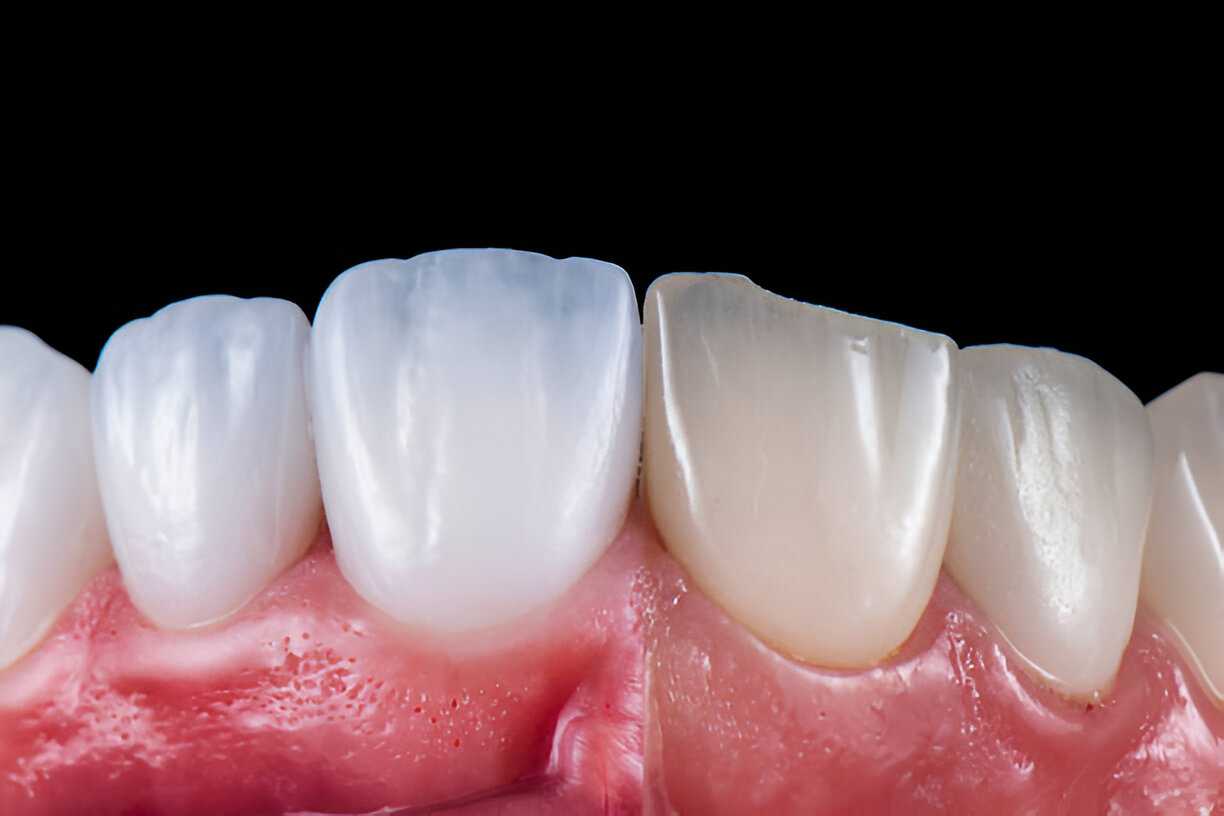
  • Veneers are thin coverings placed over the front surface of teeth. They are mainly used for cosmetic purposes but may not offer the same protection as a crown.
  • Onlays or Inlays: These partial restorations cover only a portion of the tooth and are a less invasive option than crowns.
  • Bonding: A tooth-colored resin is applied to damaged teeth to improve their appearance and structure, but it is not as strong or long-lasting as a crown.
The Process of Getting Porcelain Crowns: What to Expect_3

Key Takeaways

  • Porcelain crowns for teeth are a durable and aesthetic solution for damaged teeth, offering both strength and a natural appearance.
  • The procedure involves two visits, with a temporary crown placed before the permanent crown is fitted.
  • Crowns can last up to 15 years or more with proper care.
  • The cost of porcelain crowns typically ranges from $800 to $1,500, and they are often covered by dental insurance.
  • Aftercare is crucial to ensure the longevity of your crown—avoid hard foods and practice good oral hygiene.
  • Alternatives to crowns include veneers, onlays, and dental bonding, but they may provide a different level of protection.

Contact Carolina Smiles Family Dentistry

We specialize in crafting custom porcelain crowns that meet your specific dental needs. If you’re looking for dentists in West Columbia who can provide high-quality porcelain crowns, contact us today to schedule your consultation!

Ready to restore your smile with durable porcelain crowns?
Schedule an appointment at Carolina Smiles Family Dentistry today for personalized care!
Everything You Need to Know About Porcelain Crowns

Summary

Everyone wants a dazzling smile! 

However, sometimes, your smile needs a little help. 

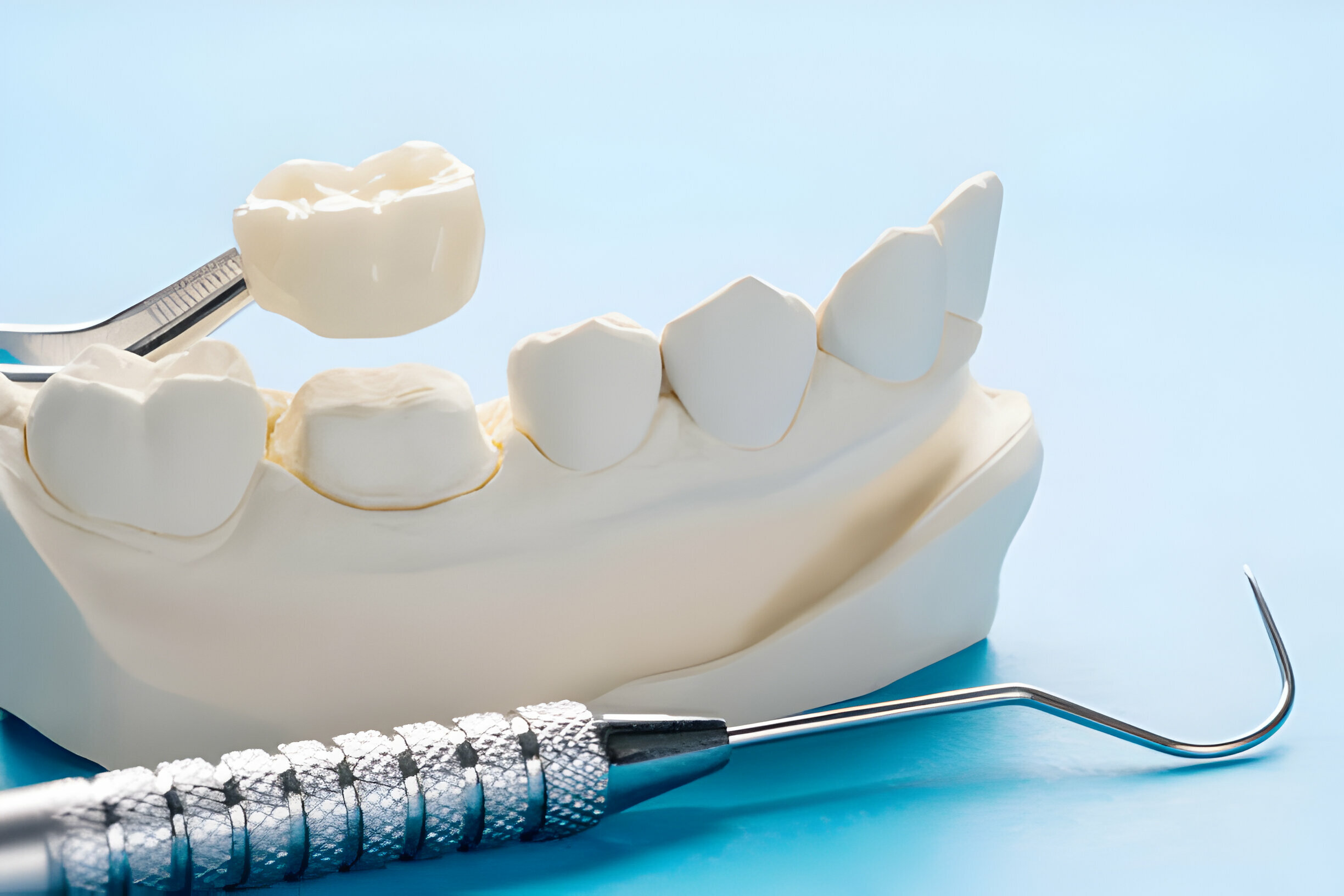
Porcelain dental crowns, or caps, are custom-made tooth-shaped covers placed over a tooth to give you a celeb-like smile. Interestingly, however, that’s not all! 

These orthodontic appliances also restore the shape, size, and strength while improving the appearance of your smile.

Everything You Need to Know About Porcelain Crowns_1

Let’s learn more about porcelain crowns in the following sections via topics like:

  • Understanding Porcelain Crowns – What is it About?
  • The Process of Getting a Dental Crown
  • What To Expect After Completion of a Porcelain Crown Procedure?
  • Do You Need A Crown?
  • How Long Do Porcelain Crowns Last?
  • Tips to Care for Your Dental Crowns

So continue reading as we learn more about oral crowns in the following sections. 

Understanding Porcelain Crowns – What is it About?

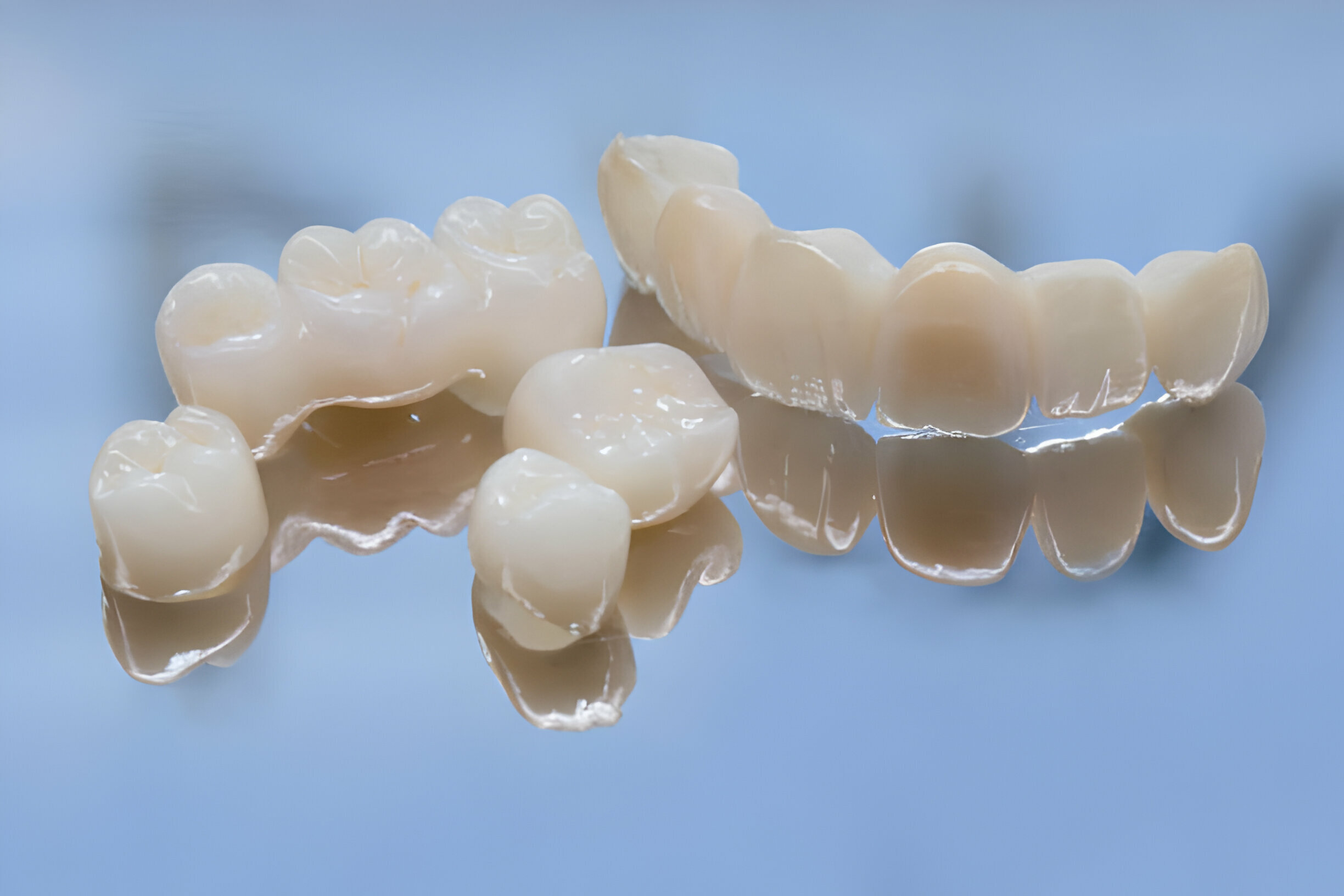
Porcelain crowns procedure (all-ceramic crowns) are dental caps covering a broken or affected tooth. They are designed to be placed on teeth to restore their function and appearance, making them a great option for protecting and strengthening teeth that cannot be repaired with fillings or other dental treatments.

Unlike gold or metal crowns, porcelain crowns are very similar in color and translucence to natural teeth, making them a popular choice for cosmetic dental operations.

Interestingly, the process of getting crowns is relatively straightforward! Continue reading as we learn more about the process in the next section. 

The Process of Getting a Dental Crown

Getting a crown typically requires two visits to your dentist. Initially, your dentist examines the tooth in need of a crown. Once they have an idea of the current condition of your tooth, your dentist in West Columbia, SC, ensures that your tooth can support the prosthesis.

Later, the dentist will file away a significant portion of the tooth enamel to prepare it for the dental crown. However, if there is too much damage, your dentist may fill the tooth to retain the crown. 

Once the process of scanning and filing is complete, your dentist will create an imprint of the tooth and send it to the lab to ensure it adjusts to your jaw. You may also be given a temporary crown while you wait for your permanent crown from the lab.

In the final stages, your dentist will glue the crown on your broken tooth using a specific adhesive. You may also need minor tweaks to guarantee a great fit. 

Getting used to the prosthesis may take some time, but it should work, feel, and look like a healthy tooth. Interestingly, you can get crowns on both front and rear teeth. Let’s learn more about them in the following section. 

Everything You Need to Know About Porcelain Crowns_2

Getting Porcelain Crowns on Front Teeth

Porcelain crowns are commonly placed on the front teeth. They are the most visible teeth, and receiving dental crowns there may significantly improve your smile. Imperfect or damaged teeth can be a major concern for your health, self-esteem, and appearance.  

Getting Porcelain Crowns on Molars

You can also have porcelain crowns for teeth like molars and rear. Dentists typically prescribe metal crowns for molars since they are not apparent. Metal crowns also provide increased durability. However, if you are allergic to metals, your dentist may recommend porcelain crowns for your teeth.  

They evaluate and assess your dental health to pick the appropriate crown for your needs. Crowns are chosen based on your unique issues, needs, position, and visibility of the teeth to be capped. 

What To Expect After Completion of a Porcelain Crown Procedure?

Once the porcelain crowns are in place, you must allow your mouth to recover. Following the recovery, you can resume your usual diet. However, you must brush and floss your crown like normal teeth. 

Your dentist may advise you to use toothpaste designed for sensitive teeth for a period following the crown placement operation. This is because it may take some time for your teeth to adjust to the presence of a crown in your mouth. 

If you feel any kind of discomfort after having a crown for several days or a week, you should see your dentist to confirm whether the new crown has fit precisely in your bite. 

Do You Need A Crown?

Dental crowns effectively treat decaying teeth, fractured fillings, broken or cracked teeth, large fillings, root-filled teeth, and other cosmetic dentistry issues. Furthermore, if you have a tooth causing mental or physical suffering due to its defective look, you might consult a dentist specializing in crowns. 

How Long Do Porcelain Crowns Last?

While porcelain crowns are robust and may last long, they must be maintained and evaluated regularly. Additionally, you may need to replace them if they are chipped or broken.

Small chips in porcelain crowns can be fixed using composite resin without replacing the entire crown. However, bigger chips or severe chipping may necessitate a crown replacement.

Remember, crowns can become loose or even fall off if they are not correctly fitted or the cement has washed out below them.

Tips to Care for Your Dental Crowns

While porcelain and other dental crowns are less susceptible to cavities, you must still take excellent care of your upgraded teeth, including frequent brushing and flossing.

Deep cleaning is another dental procedure provided by several dental facilities.

If you do not exercise basic dental hygiene, you may still develop cavities and tooth rot beneath a porcelain or other type of crown.

Everything You Need to Know About Porcelain Crowns_3

Remember that crowns can still stain, especially if you drink coffee or red wine frequently, which discolor natural teeth.

Teeth whitening solutions do not work on caps or crowns; therefore, if you want to whiten your natural teeth, you should consult your dentist and consider replacing or updating your crown with white teeth caps.

Takeaway

  • Porcelain dental crowns, or caps, are custom-made tooth-shaped covers placed over a tooth to give you a celeb-like smile. 
  • While porcelain crowns are robust and may last long, they must be maintained and evaluated regularly. 
  • Once the porcelain crowns are in place, you must allow your mouth to recover. 
  • Getting a crown requires two visits to your dentist: a checkup and crown placement. 
  • Unlike gold or metal crowns, porcelain crowns are very similar in color and translucence to natural teeth, making them a popular choice for cosmetic dental operations.
  • Still confused about the possibilities of a great smile with crowns? Visit our experts at Carolina Smiles Family Dentistry to learn more today!