Category : dentists in west columbia sc

Everything You Need to Know About Porcelain Crowns

Summary

Everyone wants a dazzling smile! 

However, sometimes, your smile needs a little help. 

Porcelain dental crowns, or caps, are custom-made tooth-shaped covers placed over a tooth to give you a celeb-like smile. Interestingly, however, that’s not all! 

These orthodontic appliances also restore the shape, size, and strength while improving the appearance of your smile.
Everything You Need to Know About Porcelain Crowns_1

Let’s learn more about porcelain crowns in the following sections via topics like:

  • Understanding Porcelain Crowns – What is it About?
  • The Process of Getting a Dental Crown
  • What To Expect After Completion of a Porcelain Crown Procedure?
  • Do You Need A Crown?
  • How Long Do Porcelain Crowns Last?
  • Tips to Care for Your Dental Crowns

So continue reading as we learn more about oral crowns in the following sections. 

Understanding Porcelain Crowns – What is it About?

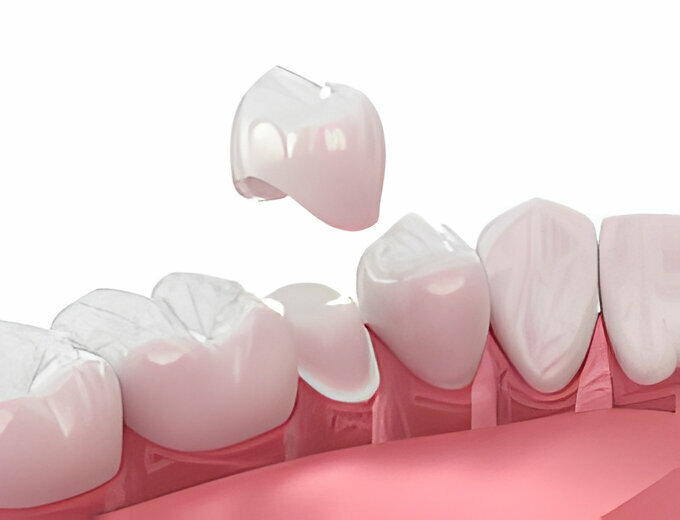
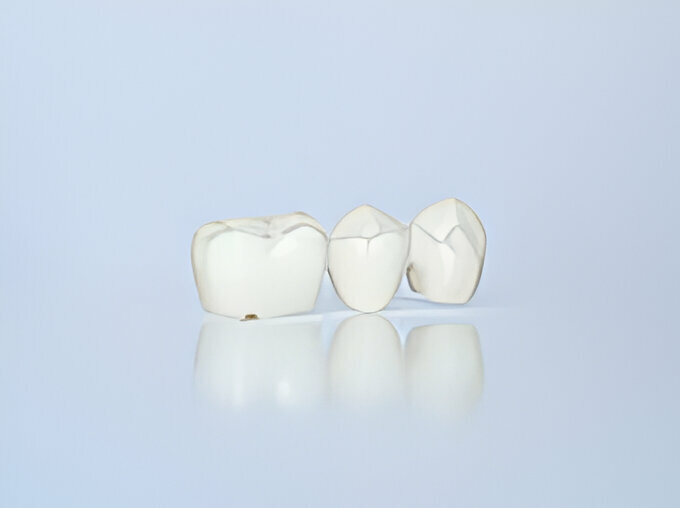
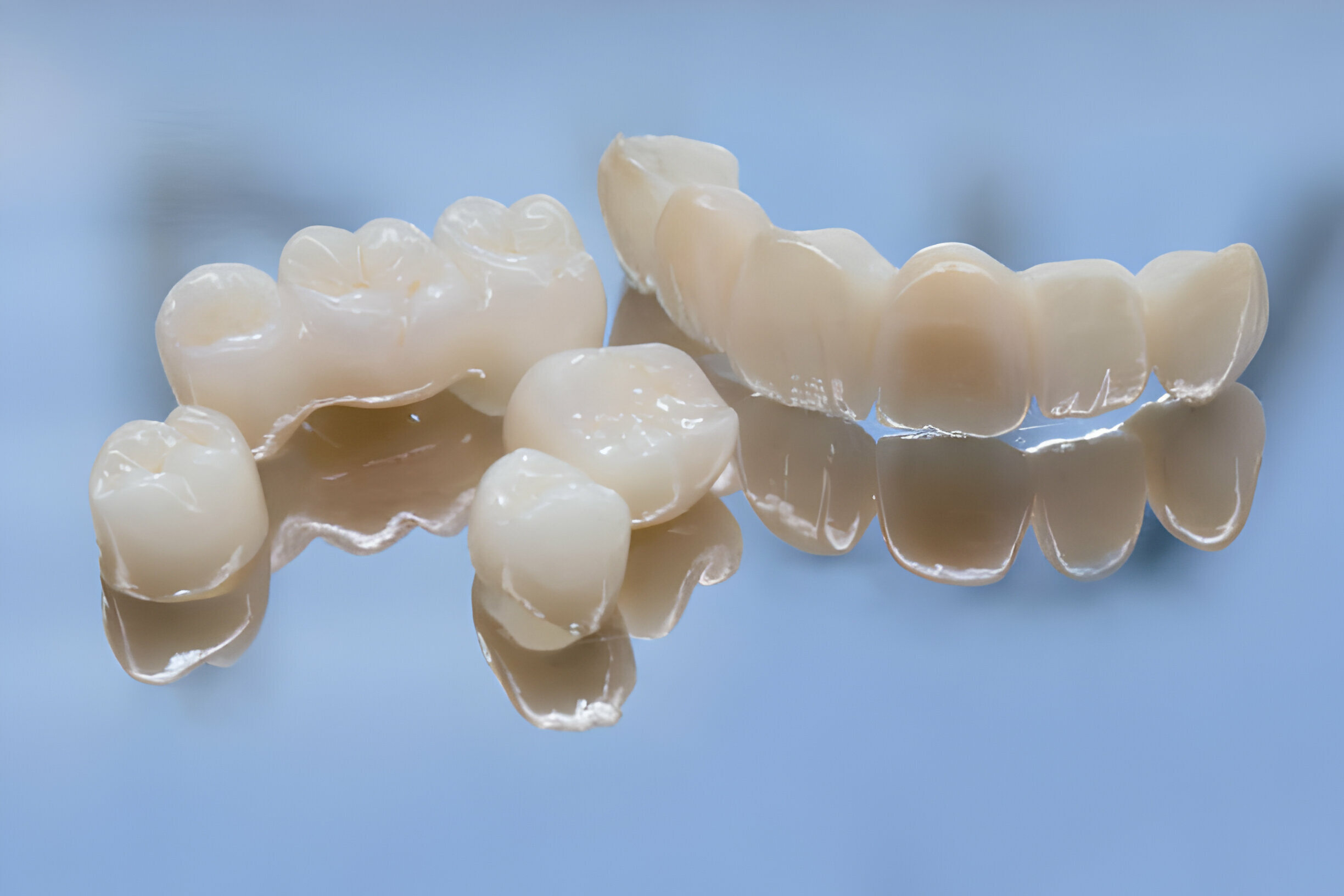
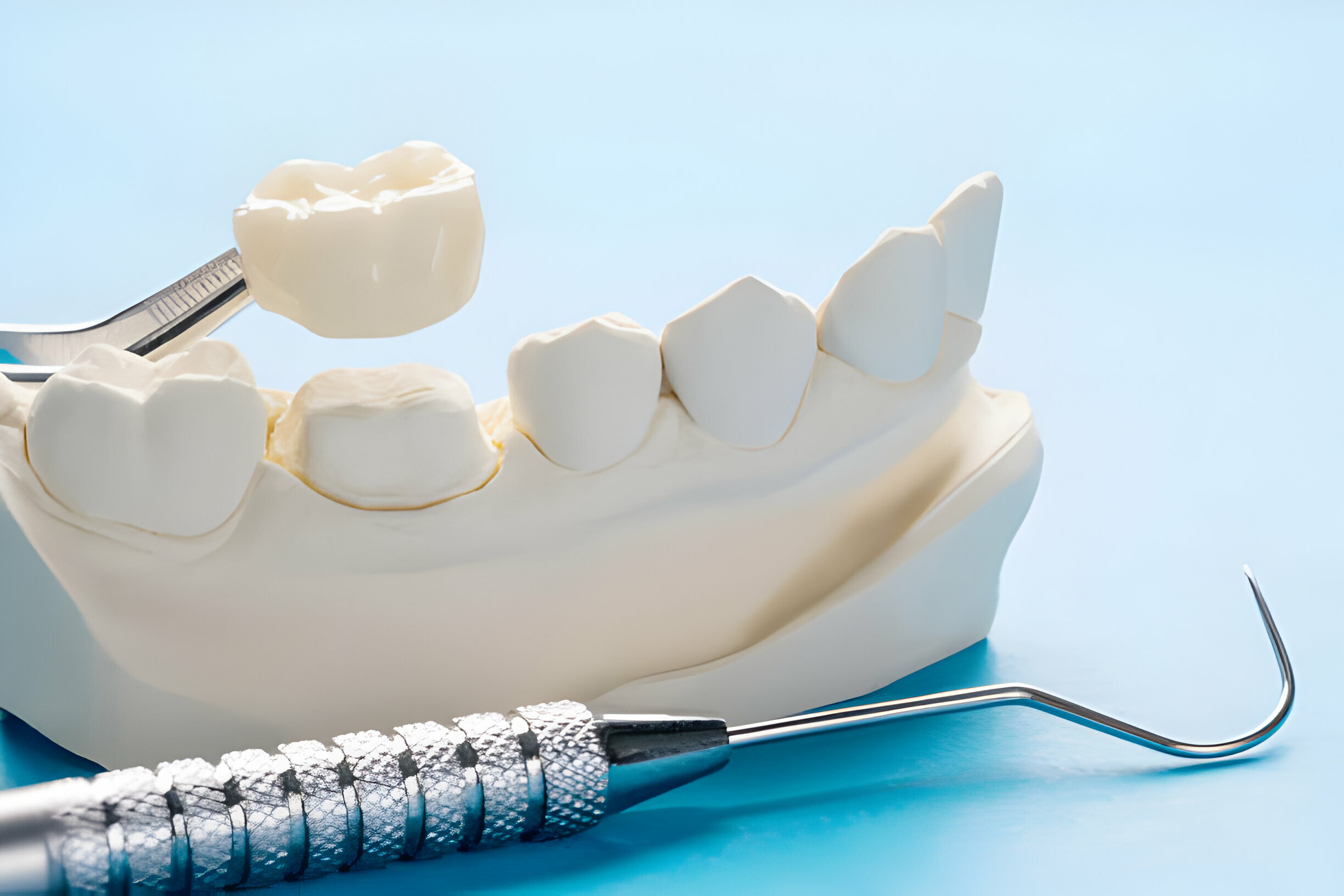
Porcelain crowns procedure (all-ceramic crowns) are dental caps covering a broken or affected tooth. They are designed to be placed on teeth to restore their function and appearance, making them a great option for protecting and strengthening teeth that cannot be repaired with fillings or other dental treatments.

Unlike gold or metal crowns, porcelain crowns are very similar in color and translucence to natural teeth, making them a popular choice for cosmetic dental operations.

Interestingly, the process of getting crowns is relatively straightforward! Continue reading as we learn more about the process in the next section. 

The Process of Getting a Dental Crown

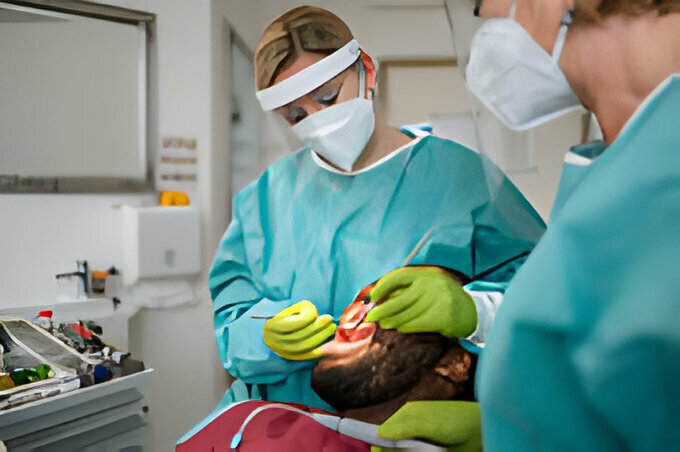
Getting a crown typically requires two visits to your dentist. Initially, your dentist examines the tooth in need of a crown. Once they have an idea of the current condition of your tooth, your dentist in West Columbia, SC, ensures that your tooth can support the prosthesis.

Later, the dentist will file away a significant portion of the tooth enamel to prepare it for the dental crown. However, if there is too much damage, your dentist may fill the tooth to retain the crown. 

Once the process of scanning and filing is complete, your dentist will create an imprint of the tooth and send it to the lab to ensure it adjusts to your jaw. You may also be given a temporary crown while you wait for your permanent crown from the lab.

In the final stages, your dentist will glue the crown on your broken tooth using a specific adhesive. You may also need minor tweaks to guarantee a great fit. 

Getting used to the prosthesis may take some time, but it should work, feel, and look like a healthy tooth. Interestingly, you can get crowns on both front and rear teeth. Let’s learn more about them in the following section. 
Everything You Need to Know About Porcelain Crowns_2

Getting Porcelain Crowns on Front Teeth

Porcelain crowns are commonly placed on the front teeth. They are the most visible teeth, and receiving dental crowns there may significantly improve your smile. Imperfect or damaged teeth can be a major concern for your health, self-esteem, and appearance.  

Getting Porcelain Crowns on Molars

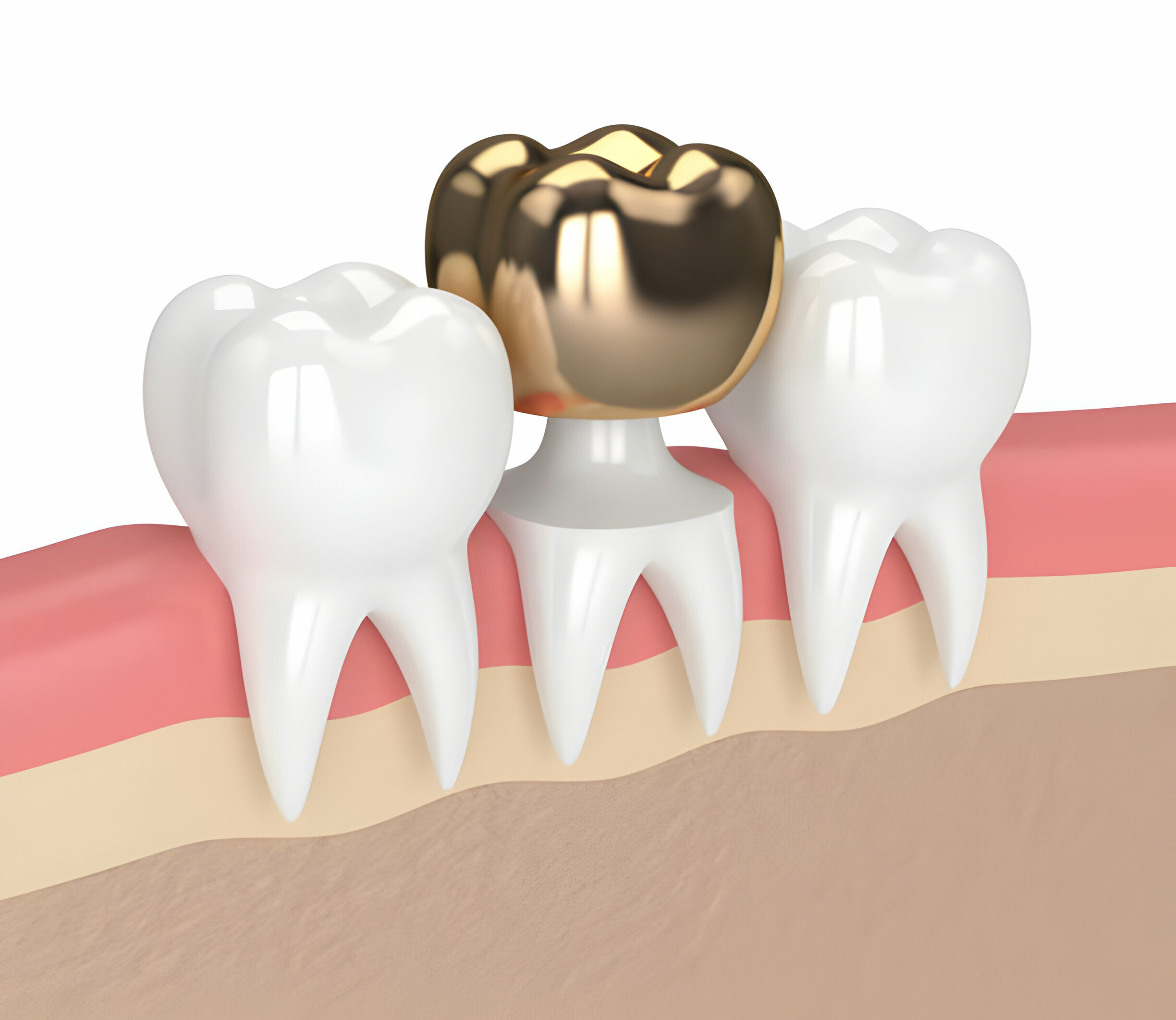
You can also have porcelain crowns for teeth like molars and rear. Dentists typically prescribe metal crowns for molars since they are not apparent. Metal crowns also provide increased durability. However, if you are allergic to metals, your dentist may recommend porcelain crowns for your teeth.  

They evaluate and assess your dental health to pick the appropriate crown for your needs. Crowns are chosen based on your unique issues, needs, position, and visibility of the teeth to be capped. 

What To Expect After Completion of a Porcelain Crown Procedure?

Once the porcelain crowns are in place, you must allow your mouth to recover. Following the recovery, you can resume your usual diet. However, you must brush and floss your crown like normal teeth. 

Your dentist may advise you to use toothpaste designed for sensitive teeth for a period following the crown placement operation. This is because it may take some time for your teeth to adjust to the presence of a crown in your mouth. 

If you feel any kind of discomfort after having a crown for several days or a week, you should see your dentist to confirm whether the new crown has fit precisely in your bite. 

Do You Need A Crown?

Dental crowns effectively treat decaying teeth, fractured fillings, broken or cracked teeth, large fillings, root-filled teeth, and other cosmetic dentistry issues. Furthermore, if you have a tooth causing mental or physical suffering due to its defective look, you might consult a dentist specializing in crowns. 

How Long Do Porcelain Crowns Last?

While porcelain crowns are robust and may last long, they must be maintained and evaluated regularly. Additionally, you may need to replace them if they are chipped or broken.

Small chips in porcelain crowns can be fixed using composite resin without replacing the entire crown. However, bigger chips or severe chipping may necessitate a crown replacement.

Remember, crowns can become loose or even fall off if they are not correctly fitted or the cement has washed out below them.

Tips to Care for Your Dental Crowns

While porcelain and other dental crowns are less susceptible to cavities, you must still take excellent care of your upgraded teeth, including frequent brushing and flossing.

Deep cleaning is another dental procedure provided by several dental facilities.

If you do not exercise basic dental hygiene, you may still develop cavities and tooth rot beneath a porcelain or other type of crown.
Everything You Need to Know About Porcelain Crowns_3

Remember that crowns can still stain, especially if you drink coffee or red wine frequently, which discolor natural teeth.

Teeth whitening solutions do not work on caps or crowns; therefore, if you want to whiten your natural teeth, you should consult your dentist and consider replacing or updating your crown with white teeth caps.

Takeaway

  • Porcelain dental crowns, or caps, are custom-made tooth-shaped covers placed over a tooth to give you a celeb-like smile. 
  • While porcelain crowns are robust and may last long, they must be maintained and evaluated regularly. 
  • Once the porcelain crowns are in place, you must allow your mouth to recover. 
  • Getting a crown requires two visits to your dentist: a checkup and crown placement. 
  • Unlike gold or metal crowns, porcelain crowns are very similar in color and translucence to natural teeth, making them a popular choice for cosmetic dental operations.
  • Still confused about the possibilities of a great smile with crowns? Visit our experts at Carolina Smiles Family Dentistry to learn more today! 

How Does Invisalign Work? A Step-by-Step Explanation

Summary:

Do you know that more than 1.4 million adults visit dentists yearly to enhance their smiles?

Orthodontics treatments weren’t common a few decades ago, but now, more and more people are resorting to this latest dental technology to achieve a flawless smile. 

How Does Invisalign Work? A Step-by-Step Explanation_1

Braces and Invisalign have made it easier for people to straighten their crooked and misaligned teeth. However, Invisalign in West Columbia, SC, is widely preferred to metal braces because it is comfortable. Individuals can undergo this orthodontic treatment discreetly while going about their day-to-day lives.

Getting Invisalign can overwhelm you if you are not aware of the entire process. 

This article will take you through the steps involved, so you know what to expect at various stages. 

We shall delve into topics like:

  • But First, What Exactly Is Invisalign?
  • Step-By-Step Process Of Obtaining Invisalign 
  • Tips To Maximize The Effectiveness Of Your Invisalign Treatment

In the following sections, continue reading to learn the step-by-step process of obtaining Invisalign. 

What Exactly Is Invisalign?

Invisalign clear aligners are an innovative method for straightening teeth. They offer distinct advantages over traditional metal braces. Unlike braces, which can be visually unattractive and require extensive maintenance, these clear aligners provide a discreet, low-maintenance alternative. 

Skilled technicians craft these appliances from transparent materials, making them invisible. This means that you can remove your aligners at any time of the day. However, our dentists in West Columbia, SC, recommend wearing Invisalign aligners for at least 22 hours.

Step-By-Step Process Of Obtaining Invisalign 

Invisalign is a revolutionary orthodontic treatment that prioritizes discretion and comfort. The process is designed to offer precision and safety, giving you a beautiful smile and renewed confidence. 

Here’s a step-by-step process involved in your smile transformation journey. Let’s learn more about it in this section:

Step 1: Initial Consultation and Assessment

Your journey starts with a thorough initial consultation with your orthodontist. This session is the foundation of your treatment plan, allowing the dentist to understand your dental history and concerns. 

At this stage, your dentist will conduct a comprehensive examination of your teeth, possibly including X-rays and digital scans, to assess your current dental alignment and oral health. This meticulous assessment allows them to determine if Invisalign is the most suitable solution for achieving your desired results.

Step 2: Personalized Treatment Plan Creation

Following the assessment, your orthodontist will create a bespoke treatment plan tailored to your unique dental needs and goals. This personalized plan outlines the proposed course of your Invisalign treatment. 

It lists the anticipated duration and the sequence of aligners required to shift your teeth into their optimal position. Your dentist provides this information to ensure you fully understand the proposed treatment and are actively involved in decision-making.

How Does Invisalign Work? A Step-by-Step Explanation_2

Step 3: Custom Aligner Fabrication and Delivery

Once you’ve approved your personalized treatment plan, the next step is to fabricate your custom Invisalign aligners. The process involves using technology to take precise impressions or digital scans of your teeth and create seamlessly comfortable aligners. 

These aligners are crafted from transparent, medical-grade plastic, rendering them virtually invisible when worn. Upon completion, you’ll visit the clinic to receive your first set of aligners and comprehensive instructions on their proper usage and maintenance.

Step 4: Ongoing Progress Monitoring and Adjustments

Your orthodontist schedules regular check-up appointments throughout your treatment journey. It allows them to monitor your progress and ensure that your teeth respond favorably to the Invisalign treatment. 

During these appointments, the dentist evaluates the alignment of your teeth, making any necessary adjustments to your treatment plan to optimize results. 

Step 5: Revel in Your Transformed Smile

As you diligently adhere to your Invisalign treatment plan, you’ll gradually witness the remarkable transformation of your smile. While individual timelines may vary, most patients experience noticeable improvements within a few months of starting the treatment. 

Upon completing your prescribed treatment course, your orthodontist will discuss post-treatment care strategies, such as using retainers, to maintain the integrity of your newly aligned smile for years to come.

Tips To Maximize The Effectiveness Of Your Invisalign Treatment

Invisalign are clear transparent aligners that aim to straighten your teeth. However, to ensure optimal results, it’s essential to take proactive steps to enhance the effectiveness of your Invisalign treatment. 

Here are some essential tips to help you make the most of your Invisalign experience:

  • Commit To Consistent Wear

One of the most critical factors in the success of your Invisalign treatment is consistently wearing your aligners. Aim to wear your aligners for 20-22 hours per day, adhering closely to the schedule provided by your orthodontist. Consistency is critical to achieving the desired tooth movements and alignment.

  • Follow Your Treatment Plan

Your dentist will create a customized treatment plan tailored to your needs and goals. It is essential to follow this plan diligently, including changing your aligners as instructed. Typically, aligners are switched every one to two weeks to facilitate gradual tooth movement. Trust your orthodontist’s expertise and adhere to the prescribed treatment schedule for optimal results.

  • Prioritize Oral Hygiene

Maintaining excellent oral hygiene is crucial throughout your Invisalign treatment to prevent cavities, gum disease, and other dental issues. Brush your teeth after every meal and snack, and floss daily to remove food particles and plaque. Since Invisalign aligners can trap debris against your teeth, thorough cleaning is essential before reinserting them.

How Does Invisalign Work? A Step-by-Step Explanation_3

  • Keep Your Aligners Clean

Properly cleaning your aligners is essential to prevent bacterial buildup, odors, and discoloration. Use a soft-bristled toothbrush and clear, antibacterial soap to gently brush your aligners, ensuring you rinse them thoroughly afterward. Avoid using hot water, as it can warp the plastic. Additionally, consider using specialized Invisalign cleaning products recommended by your orthodontist for optimal hygiene.

  • Limit the Consumption of Staining Foods and Drinks

Certain foods and beverages, such as coffee, tea, red wine, and curry, can stain your aligners, affecting their appearance and visibility. To minimize staining, consider reducing your consumption of these substances during your treatment. If you indulge, rinse your mouth with water and clean your aligners promptly to prevent discoloration.

  • Proper Storage

When you’re not wearing your aligners, store them in their designated case to protect them from damage, loss, or contamination. Avoid exposing them to air, sunlight, or extreme temperatures, as these factors can affect their integrity and appearance. 

Takeaway

  • Invisalign offers discreetness and convenience over traditional braces, being nearly invisible and removable.
  • The process starts with a detailed consultation, during which the dentist examines the patient’s dental history to determine whether Invisalign is suitable.
  • Dentists create a tailored plan based on the patient’s needs, outlining the treatment duration and aligner sequence.
  • Custom aligners are made using advanced technology, ensuring comfort and transparency.
  • Patients witness a gradual improvement in their smile, typically within a few months of treatment completion.
  • Still confused about the different stages involved in Invisalign? Let’s clear your doubts with our Carolina Smiles Family Dentistry experts. 

What to Expect When Getting A Dental Crown?

Summary:

Our teeth experience daily wear and tear. They initially begin with minor decay, which leads to the spread of infection and, ultimately, tooth loss. 

To prevent further damage, you must protect your teeth during the initial stage of decay. One effective way to do so is to use dental crowns to preserve natural teeth.

What to Expect When Getting A Dental Crown?_1

Like fillings, oral crowns can restore oral health and give you a complete smile makeover. 

However, there’s still much confusion around dental crowns, which makes people avoid obtaining dental crowns. Keeping that in mind, we shall delve into topics like:

  • Dental Crowns x Modern Dental Prosthetics
  • Types Of Crowns – Innovation In Dental Restorations
  • A Detailed Description Of The Procedure For Getting Dental Crowns 

Continue reading as we understand the procedure of getting caps in the following sections. 

Dental Crowns x Modern Dental Prosthetics

Improper and irregular oral hygiene is primarily the culprit for damaged and decayed teeth (among other reasons). However, these are some of the common problems which can be easily fixed via dental prosthetics. 

Crowns are commonly employed to address extensive decay, fractures, large fillings, and cap or anchor implants or bridges. In addition to improving oral aesthetics, oral caps offer functional benefits by enhancing bite alignment and safeguarding weakened teeth against further damage.

Role of Crowns in Smile Dentistry & Aesthetics

Dental crowns in West Columbia, SC, are imperative to preserve teeth among various treatment options. These appliances serve as a protective cover for damaged or weakened teeth, aiming to restore their strength, shape, and aesthetics. 

Interestingly, 95% of these crowns are strong enough to last up to five years. They are designed using materials like porcelain, ceramic, metal, or a combination of both to envelop the visible portion of a tooth above the gum line. 

What’s more? These appliances can be custom-made to match the color and contour of natural teeth, seamlessly blending into your smile. 

Types Of Crowns – Innovation In Dental Restorations

Dental crowns are crucial tools in restorative dentistry. They aim to reinforce damaged teeth and restore their functionality and aesthetic appeal. Over time, oral technology has evolved, offering various types of crowns tailored to meet diverse patient needs. 

Understanding the distinctions among these types can help patients make informed decisions alongside their dental practitioners. So, let’s have a look at the different types of appliances in this section:

Metal

Metal crowns have stood the test of time among the earliest forms of crowns due to their exceptional durability and strength. Typically crafted from alloys like palladium, gold, or base metal alloys, these caps boast remarkable longevity, making them ideal for teeth that withstand heavy chewing forces. 

Despite their unparalleled functionality, the metallic appearance may deter individuals seeking a more natural look, especially for front teeth. Therefore, it’s best for individuals who opt for the treatment for its functionality rather than aesthetics. 

What to Expect When Getting A Dental Crown?_2

Porcelain-Fused-to-Metal (PFM)

PFM crowns fuse the functionalities of metal with the aesthetic appeal of porcelain, gaining popularity as a versatile solution for both anterior and posterior teeth. These crowns feature a metal substructure covered with a layer of tooth-colored porcelain, balancing durability and aesthetics. 

However, the porcelain portion may exhibit wear over time, potentially revealing the underlying metal, particularly along the gum line. Therefore, it’s best for individuals who regularly have oral checkups. 

All-Ceramic

All ceramic crowns, known for providing a natural appearance, are fabricated entirely from ceramic or porcelain materials. This type of crown closely mimics teeth’s natural translucency and shade, making them particularly suitable for highly visible areas. 

Advances in ceramic technology have bolstered their strength and resilience, rendering them a preferred choice for patients seeking durability and aesthetics.

Zirconia

Zirconia, a robust and biocompatible material, has revolutionized modern dentistry. It offers an alternative to traditional metal-based caps. Zirconia crowns exhibit exceptional strength and fracture resistance, making them suitable for posterior teeth subject to significant biting forces. 

Moreover, their metal-free composition eliminates concerns related to allergic reactions, appealing to patients with sensitivities to metal components. It is among the best crown therapy alternatives. 

Composite Resin

Composite resin crowns are a cost-effective and practical solution from tooth-colored composite materials. They are designed to mimic the natural look of the gums. 

While primarily utilized for temporary or interim restorations, composite resin crowns provide a viable option for individuals seeking immediate aesthetic improvement. Despite their affordability, composite resin caps may exhibit greater susceptibility to wear and staining than their ceramic counterparts.

A Detailed Description Of The Procedure For Getting Dental Crowns 

Dental crowns are pivotal in modern dentistry, providing solutions for damaged, decayed, or aesthetically compromised teeth. Understanding the process of obtaining caps can alleviate apprehension and ensure a smooth journey toward restoring your smile. 

Below, we delve into the intricate steps involved in this transformative dental procedure:

Step 1: Initial Assessment And Consultation

The journey begins with an initial consultation with a trusted dentist in West Columbia, SC. During this pivotal meeting, the dentist will discuss your concerns, whether a fractured tooth, extensive decay, or cosmetic enhancement. 

They will conduct a thorough examination, utilizing the latest diagnostic tools to assess the condition of the affected tooth and surrounding structures.

Step 2: Treatment Planning And Decision-Making

After the assessment, your dentist will devise a personalized treatment plan tailored to your unique needs and preferences. 

Together, you’ll explore various options, including the type of crown material (such as porcelain, ceramic, metal, or a combination) and considerations regarding durability, aesthetics, and cost. All these details will help you make informed decisions regarding your oral health.

Step 3: Tooth Preparation

With the treatment plan finalized, the journey progresses to the tooth preparation phase. This step involves numbing the tooth and adjacent tissues with a local anesthetic to ensure a comfortable experience. 

Next, the dentist will meticulously shape the tooth to accommodate the crown. This process may entail removing any decayed or damaged portions, reshaping the tooth structure, and creating a stable foundation for the crown.

What to Expect When Getting A Dental Crown?_3

Step 4: Impression Taking

Precision is paramount in crafting a custom-fitted dental crown that seamlessly blends with our natural dentition. To achieve this, your dentist will take detailed impressions of the prepared tooth and surrounding teeth. 

Traditionally, this involved using oral putty to create physical molds. However, technological advancements have introduced digital impression systems, offering unparalleled accuracy and efficiency.

Step 5: Temporary Crown Placement And Final Restoration

While our skilled dental technicians fabricate permanent crowns, our dentist will place a temporary crown to safeguard the prepared tooth and maintain aesthetics. This interim restoration provides protection and functionality until the final restoration is ready. 

Once the permanent crown is ready, you’ll return to our clinic for placement. Your smile professional will assess the crown’s fit, color, and contours before it is permanently bonded into place to complete the restoration process.

Takeaway: 

  • Dental issues like decay and damage can lead to tooth loss if not addressed in time. 
  • Crowns act as protective covers for damaged or weakened teeth, restoring their strength, shape, and appearance.
  • Dental caps can be made from various materials such as porcelain, ceramic, metal, or a combination. 
  • Different caps include metal, porcelain-fused-to-metal (PFM), all-ceramic, zirconia, and composite resin crowns. 
  • Precision is essential in crafting custom-fitted oral caps that blend seamlessly with natural teeth. Dentists take detailed impressions of the prepared tooth and surrounding teeth to ensure an accurate fit.
  • Crowns are a great way to fix your smile and overall oral health. Don’t miss the opportunity to revamp your smile with our Carolina Smiles Family Dentistry professionals today!

Discovering the Magic of Teeth Whitening in Columbia, SC

Summary:

Are you tired of covering your smile and hiding away in public spheres due to stained or discolored teeth?

While discolored or stained teeth don’t necessarily signify poor oral health, they do make your smile unpleasant. On the contrary, having pearly whites lends a charming appeal to your smile. It allows you to build relationships and move ahead in your career confidently.

Discovering the Magic of Teeth Whitening in Columbia, SC_1

Thankfully, a branch of dentistry called teeth whitening can help make your teeth appear shiny, healthy, and flawless. However, most people have limited ideas about the capacity of the whitening process. 

That is why we curated this article, where we shall discuss topics like:

  • From Discolored to Shiny White – Understanding Teeth Whitening
  • Surprising Benefits Of Teeth Whitening 
  • Teeth Whitening Procedure Explained
  • What Makes The Whitening Treatment Possible? 
  • Teeth Whitening Aftercare You Should Know

Continue reading as we explore teeth whitening and its benefits in the following sections. 

From Discolored To Shiny White – Understanding Teeth Whitening

How often do you seek the help of home remedies to whiten your teeth, only to see the stains recurring? 

Several factors, including poor eating and drinking habits, irregular hygiene, and aging, can cause stains and discoloration. This results in your teeth appearing yellow or brown. 

Interestingly, there’s nothing to worry about because bleaching can restore the original color of your teeth and make them appear pearly white. Around 32% of Americans have received this treatment to remove stains and discoloration from the oral cavity. 

Teeth whitening in Columbia, SC, includes an array of cosmetic procedures that can enhance the appearance of your enamel by reducing and removing stains and discoloration. This process utilizes bleaching agents to break down stains and reveal a whiter smile. 

Whether administered in-office by a dentist or through at-home kits, enamel whitening can effectively boost confidence by improving the aesthetics of one’s smile. 

Surprising Benefits Of Teeth Whitening 

A radiant smile holds immense power, not just in its aesthetic appeal but also in its impact on confidence and well-being. Teeth bleaching whitening is a popular cosmetic dental procedure that offers numerous benefits beyond surface-level appearance. 

Here are some benefits of opting for bleaching that can be a valuable investment:

Boost in Confidence

Brighter, whiter enamel often translates to heightened self-esteem and confidence. When we feel good about our smile, we exude positivity and approach social interactions with greater assurance.

Youthful Radiance

Over time, our teeth may accumulate stains and discoloration due to various factors like diet, aging, and lifestyle choices. Teeth whitening can reverse these effects, restoring a more youthful and vibrant appearance to our smile.

Promotes Oral Hygiene

Investing in oral whitening can improve your oral hygiene habits. Individuals who undergo bleaching treatments are more likely to prioritize regular brushing, flossing, and dental check-ups, thus maintaining their newfound brightness.

Non-invasive Enhancement

Unlike more invasive cosmetic procedures, enamel whitening is relatively non-invasive and painless. It offers a convenient and accessible way to enhance one’s smile without discomfort or downtime.

Long-lasting Results

While whitening may require occasional touch-ups, the results can be long-lasting with proper maintenance. Professional bleaching treatments can provide months or even years of bright, radiant smiles with minimal effort.

Discovering the Magic of Teeth Whitening in Columbia, SC_2

Teeth Whitening Procedure – Explained!

Teeth whitening service is a standard cosmetic dental treatment that improves smile aesthetics by lightening the tooth color. It’s a simple, non-invasive process that can significantly enhance confidence and self-image. Here’s what usually happens during the procedure:

Step 1 – Initial Consultation

Your journey begins with a consultation with a dental professional. During this appointment, your dentist in West Columbia, SC, will assess your oral health and discuss your goals and expectations to determine if enamel bleaching is right for you.

Step 2 – Choosing The Method

Since there are multiple methods to undergo the treatment, your dentist will ask you to choose between: 

In-Office Bleaching

If you opt for in-office treatment, it usually takes 60 to 90 minutes. The dentist will apply a bleaching gel to your teeth and may activate it with a particular light or laser. They repeat the process to achieve the desired whitening level.

At-Home Bleaching

Teeth whitening dentists also provide custom-made trays and a professional-strength bleaching gel for at-home whitening. You’ll wear the trays for a specified time each day, typically for a couple of weeks, until you achieve your desired results.

Step 3 – Follow-up Care

After the procedure is complete, your oral specialist will schedule a follow-up appointment to monitor progress and provide guidance on maintaining your newly whitened smile through good oral hygiene practices.

What Makes The Whitening Treatment Possible? 

Teeth whitening is a standard cosmetic dental treatment aimed at enhancing the appearance of enamel by lightening its color. This process involves using specific materials and tools to achieve the desired results. Below are the critical components involved in teeth whitening:

Whitening Agents

Dentists’ teeth bleach using hydrogen and carbamide peroxide as whitening agents. These substances penetrate the enamel to break down stains and whiten teeth.

Custom Trays

Custom-fitted trays ensure proper application of the bleaching gel and minimize contact with the gums, reducing the risk of irritation.

Light Activation

Teeth whitening professionals also use LED lights or lasers to activate the whitening gel and accelerate the whitening process. These lights vary in intensity and wavelength depending on the treatment.

Desensitizing Agents

After whitening, desensitizing agents like fluoride gels are often applied to the cavity to reduce post-treatment sensitivity.

At-Home Kits

Over-the-counter bleaching kits contain bleaching gel, trays, and sometimes LED lights for home use. While less potent than professional treatments, they can still produce noticeable results.

Discovering the Magic of Teeth Whitening in Columbia, SC_3

Teeth Whitening Aftercare You Should Know

Proper aftercare is essential to maintain the results of your teeth whitening treatment. Here are some tips to help you take care of your enamel post-whitening:

  • Avoid Foods and Beverages that Can Stain

Avoid foods and drinks that stain your teeth, such as coffee, tea, red wine, berries, and tomato-based sauces, especially in the first 48 hours after whitening.

  • Keep Up with Adequate Oral Hygiene

Brush your teeth at least twice every day and floss daily using a soft-bristled toothbrush and non-abrasive toothpaste.

  • Use Desensitizing Products if Needed

If you experience tooth sensitivity, consider using desensitizing toothpaste or gel, as our bleach teeth dentist recommends.

  • Quit Tobacco Products

Smoking and chewing tobacco can stain enamel and harm oral health. Consider quitting or reducing tobacco use to preserve your whitening results and improve overall health.

Takeaway 

  • Teeth whitening isn’t just about looks; it’s a cosmetic dental procedure aimed at improving the appearance of cavities by reducing stains and discoloration.
  • Investing in bleaching can encourage better oral hygiene habits.
  • Unlike other dental cosmetic procedures, whitening is relatively painless and non-invasive. 
  • Professional whitening treatments can provide long-lasting results. 
  • Proper bleaching aftercare includes practicing good oral hygiene and avoiding foods and drinks that can leave a stain.
  • Learn more about proper teeth whitening with professionals who understand the ins and outs of the industry. Connect with our experts at Carolina Smiles Family Dentistry today! 
Load More