Category : west columbia family dentistry

Everything You Need to Know About Dental Crowns vs. Dental Caps

Summary: 

Contrary to popular belief, there is a notable difference between dental crowns and caps. Dental porcelain crowns are tooth-shaped caps that fit over an existing tooth or implant. On the other hand, dental caps are restorations that only cover a decayed or damaged part of the tooth.  

But which one is the right choice for you and your dental needs? 
Everything You Need to Know About Dental Crowns vs. Dental Caps_1

Our dental clinic is often flooded with questions about the differences between dental crowns and caps. Keeping the same in mind, we’ve curated a list of significant differences in the topics below:

  • Crown Vs. Cap – The Confusion Between Treatment Options
  • Understanding the Appliance in Detail
  • Difference Between Dental Crowns And Caps 
  • Dental Caps or Crowns: Which One Should You Choose? 

Continue reading as we learn more about crowns and caps in the following sections. 

Crown Vs. Cap – The Confusion Between Treatment Options

The problem with tooth decay and dental cavities is as real as it gets. Even now, stats show that 57% of teenagers between twelve and nineteen years have cavities. Adults are no less, with 90% of adults over the age of twenty having had at least one cavity.     

There are long-term measures you can take to protect your teeth from cavities. But what will you do when the damage is already done, and you need a quick fix? The answers you are looking for are oral crowns and caps. 

But which one is the right option for you? Dental crown or cap?  

This blog will walk you through the differences between crowns and caps to help you make an informed choice. So. let’s dive in!

Understanding the Appliance in Detail

Oral Crowns

Dental crowns are a restorative treatment that covers the entire visible portion of a decayed or damaged tooth. Dentists recommend using these crowns in cases where the tooth has lost a significant portion of its structure due to trauma or decay weakening it. 

You have different alternatives for choosing the right material for oral caps, including ceramic, porcelain, resin, and metal alloys. You can choose the suitable material for your teeth cap by evaluating the function and location of the affected tooth.   

Process of the Oral Crowns

The overall process of getting crowns is simple, and you can get the job done with two visits to your dentist. The dentist will examine and prepare the affected tooth on the first visit by removing old fillings or decayed tissues. They will then shape the tooth to ensure it accommodates the crown properly. This is also when the dentist will take your tooth’s impression and send it to the lab. 

You must visit the dentist after your custom-made crown is ready. The dentist will place the final crown and determine if its shape and color match the rest of the mouth and teeth. They will use specialized adhesives to cement the crown onto the tooth if all seems well. This will restore your damaged teeth and protect them from any further damage.

Everything You Need to Know About Dental Crowns vs. Dental Caps_2

Oral Caps 

Dental caps are caps for teeth that cover and protect a damaged, broken, or chipped tooth. These caps are made of different materials, such as gold alloy, porcelain, or ceramic, helping preserve your tooth’s structure, shape, and size. Each material has unique characteristics, making it essential to discuss which would suit you best with the dentist.    

Dental caps are one of the most durable alternatives for tooth restoration today. But while they are durable, you will still need to make essential efforts to maintain these caps to ensure they last for years. Adhering to good oral hygiene habits, such as brushing and flossing regularly, is enough to ensure proper care and maintenance for caps dental.  

Process of the Dental Caps

The overall process of getting caps is not much different from getting dental crowns. It starts with the first examination by the dentist, after which the dentist will prepare the affected tooth for the cap. They remove any decayed tissues and appropriately shape the tooth to ensure the crown is in place.

The dentist will then take an impression of the affected tooth and send it to the lab for fabricating the permanent cap. This process generally takes about a week, and you will receive a temporary cap. Once the permanent cap is ready, the dentist will fix the permanent molar cap over the affected and ensure it complements the rest of your mouth and teeth.     

Understanding The Difference Between Dental Crowns And Caps 
Everything You Need to Know About Dental Crowns vs. Dental Caps_3

It is not uncommon for people in dentistry to use crowns and caps as synonyms. But in reality, there are certain notable differences between both tooth restoration tactics. 

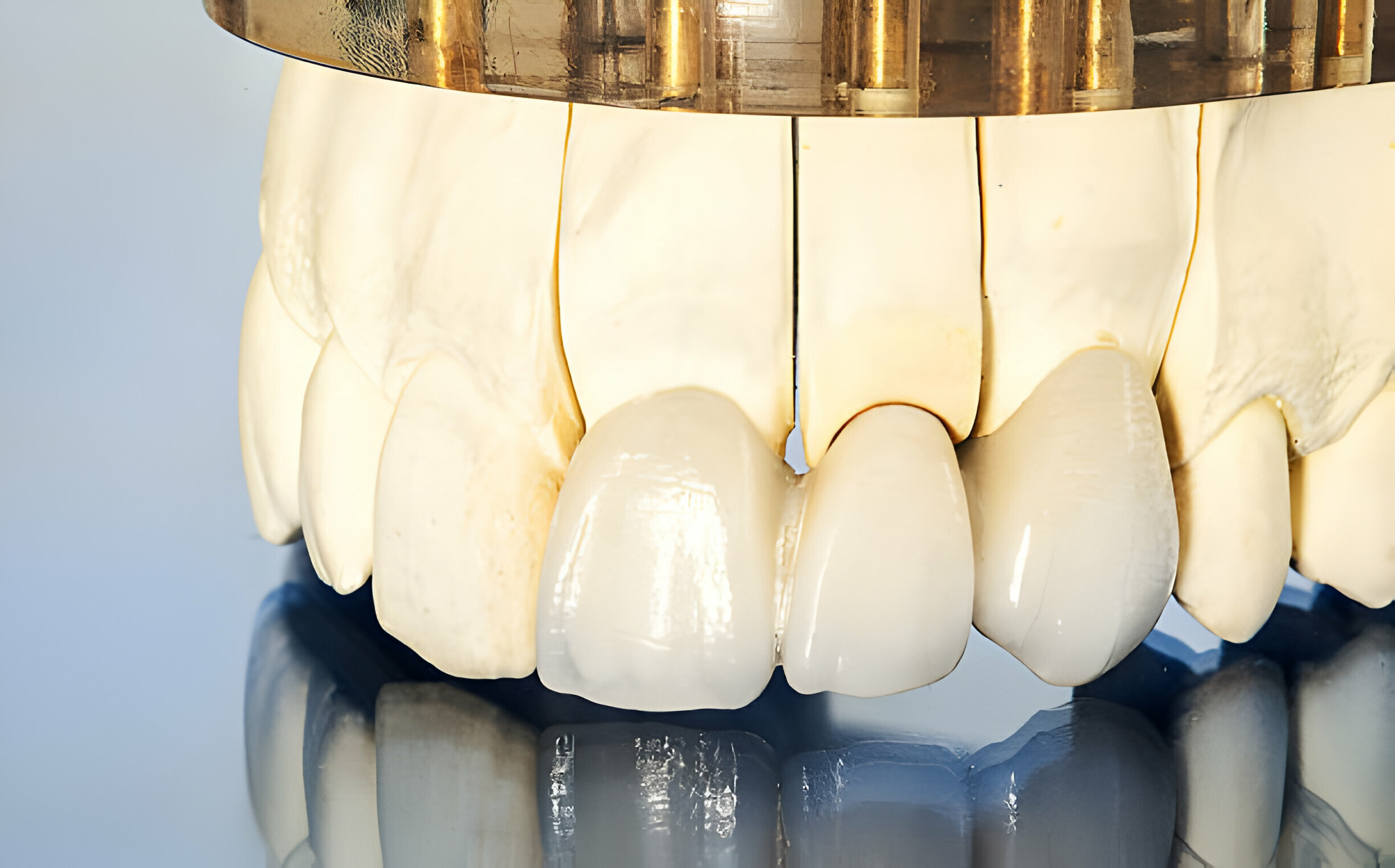
It is important to understand that crowns are designed to cover the visible portion of the affected tooth. This means it will mend the portion over the gumline, providing better protection and support for weakened and damaged teeth.  

  • Difference in Application: Things are slightly different with dental caps as they only cover a portion of the damaged tooth instead of covering it entirely. This makes root canal caps the ideal choice for covering only one side of a damaged tooth without compromising the tooth’s structure.   
  • Difference in Material: The materials used for crowns and caps are similar, including gold alloy, ceramic, and porcelain. But their restorative purposes differ, with one offering comprehensive coverage and the other offering partial coverage and protection. 

There is no denying that crowns and caps share many similar characteristics. Understanding their differences from the Carolina Smiles Family Dentistry is essential to receiving the ideal treatment and effective results.   

Dental Caps or Crowns: Which One Should You Choose? 

Choosing between crowns and caps requires a thorough evaluation of multiple factors. Making the right choice here is your dentist’s responsibility. They will have the right skills and knowledge to understand your oral needs and recommend the best-suited alternative.  

In most cases, caps dentistry dentists recommend dental crowns in cases where there is significant damage or decay in your tooth’s surface. These crowns help cover and protect the tooth’s visible part while strengthening it further. On the other hand, oral caps are better suited for cases where the damage or decay is relatively less and only a portion of your teeth needs coverage. 

Making the right choice here requires evaluating the remaining tooth material, structure, and location in your mouth. The dentist will evaluate all these factors and recommend the best alternative based on your needs and requirements. 

Takeaway

  • Dental crowns are restorative dentistry that completely encases a damaged or diseased tooth’s visible structure.
  • Caps are caps for teeth that cover and protect a damaged, broken, or chipped tooth.
  • Crowns cover the visible part of the damaged tooth; this is the primary distinction between them and caps. Oral caps, on the other hand, only partially cover the injured tooth instead of completely covering it. 
  • In situations where your tooth’s surface has substantial decay or damage, crowns can help. When there is comparatively less damage or degradation, caps work better.
  • Still confused between oral crowns and caps? Don’t let the lack of information affect your treatment; visit our experts at Carolina Smiles Family Dentistry today! 
Explore Different Types Of Cosmetic Dentistry For A Beautiful Smile

Summary: 

Cosmetic procedures for teeth help address any persistent issues with your oral health and enhance your smile. These procedures are very effective for enhancing your smile’s aesthetics and restoring your mouth’s functionality. 

Explore Different Types Of Cosmetic Dentistry For A Beautiful Smile_1

But with so many cosmetic dentistry procedures available, choosing the right one that caters to your unique needs is not always easy.  

We will make this decision easier for you with a deep insight into topics related to cosmetic dentistry, including:

  • Cosmetic Dentistry – Why Do We Need It?
  • Types of Cosmetic Dentistry Procedures   

Continue reading as we learn more about the process in the following sections of the blog. 

Introduction: 

Stats show that 13.2% of children between the ages of five and nineteen have untreated dental caries, and 25.9% of adults between the ages of twenty and forty-four have the same issues. Leaving these issues untreated can hamper your mouth’s functionality and your smile’s aesthetic.  

But is there any effective solution to these problems? Yes, and it is cosmetic dentistry!

Cosmetic dentistry is one of the most effective ways to address oral issues and enhance your smile. But with so many alternatives, how do you choose the right one? This blog is here to simplify this with a deeper insight into different types of cosmetic dentistry procedures.  

Cosmetic Dentistry – Why Do We Need It? 

Cosmetic dentistry is a branch that primarily focuses on enhancing the aesthetic appeal of your gums and smile. This differs from conventional dentistry, which focuses on health-related issues rather than aesthetics. You can access many aesthetic teeth procedures based on your needs for desirable results.    

Explore Different Types Of Cosmetic Dentistry For A Beautiful Smile_2

The primary goal of aesthetic dentistry is to enhance the aesthetics of your smile while addressing oral needs specific to you. These procedures can help you correct minor dental issues, such as stains, to more complex issues, such as overbite or underbite. Certain aesthetic procedures are also great in helping restore your teeth and mouth’s functionality.  

Types of Cosmetic Dentistry Procedures 

Different people have different oral issues; treating them is imperative to ensure you get the desired outcomes. This makes it very important to evaluate all the different types of procedures and pick the one that best suits your needs. So, here are some of the best-known types of aesthetic oral procedures you need to know about.

Dental Veneers

Dental veneers are thin shells of porcelain placed on the top of the front teeth and can last up to a year when cared for properly. People use oral veneers to hide oral flaws and imperfections, including discoloration, gaps in cavities, stains, etc. 

The best thing about oral veneers is they give you the ideal natural look, and it is hardly possible to determine the difference. This makes dental cosmetic veneers an ideal quick fix for non-invasively fixing or hiding oral issues.      

Dental Crowns 

Dental crowns are another effective solution, often placed on a compromised tooth. Fractured, broken, or cracked teeth with a large filling with a weaker structure can be considered compromised.   

Most people must get dental crowns mandatorily after root canal treatment since this procedure leaves the tooth vulnerable and open. Before you get an oral crown, your West Columbia cosmetic dentist will ensure the crown matches your existing teeth to ensure it blends easily. These oral crowns can easily last for many years and even a decade if you care for them appropriately.   

Dental Implants 

Dental implants are one of the most common cosmetic oral procedures to replace one or multiple missing teeth. Many dentists even use these implants to support the denture securely and ensure it does not fall or slip. These implants come with a post fused deep into the bone to ensure they effectively fuse with the surrounding bone.    

Explore Different Types Of Cosmetic Dentistry For A Beautiful Smile_3

After the implant bonds with the jaw, it will become a permanent fixture, and you need not replace it anymore. When you visit the West Columbia Family Dentistry clinic, they will place a dental crown over the implant to ensure you get the ideal smile without compromising your oral functionality.  

Teeth Whitening 

Teeth whitening is another very common type of aesthetic oral procedure that helps whiten your teeth and eliminate all stains. Discolored cavities can impact oral aesthetics, further hampering self-confidence and self-esteem.  

Your dentist will start the procedure using a specialized pigment of unique ingredients to lift or lighten the discoloration. With regular ongoing whitening treatment, it is only a matter of time before your cavity becomes bright and shiny. So, you can consider getting this treatment before any special occasion or just to give dental teeth a new charm.    

Tooth Reshaping 

While not as common as teeth whitening, reshaping is still a very effective aesthetic dental procedure. This oral contouring procedure removes small amounts of your enamel to give your smile a more even look. This is ideal if you have small chips on the front of your teeth or if one tooth is longer than others.      

In most cases, tooth reshaping is the go-to fix for correcting minor oral issues that might hamper the aesthetics of your smile but do not pose any health risk. Even reducing a few millimeters from your teeth cosmetics is enough to give you an ideal look with a considerable positive impact on your smile. 

Dental Bridges

Dental bridges differ from crowns but are better suited for restoring multiple teeth. Most dental bridges come with two abutments attached to surrounding teeth, with a pontic tooth in the middle that sits on top of the gum line. 

These dental bridges are an excellent treatment alternative for a completely missing tooth and for patients who might not be the ideal implant candidate. These cosmetics for teeth are made explicitly for specific patients to ensure they blend in with the rest of your teeth.     

Orthodontics 

Orthodontics is one of the most common cosmetic oral procedure types for correcting several oral complications. This cosmetic dental surgery is ideally suited for patients of all ages and can help enhance their smiles.    

It is essential to consult a reliable dentist before considering orthodontics since it helps ensure you get the proper treatment based on your needs. The dentist will evaluate your dental structure and determine if orthodontics suits you. 

Takeaway:

  • Cosmetic dentistry is a field of dentistry that focuses on improving the appearance of your teeth, gums, and smile.
  • Dental implants, veneers, tooth contouring, whitening, dental crowns, bridges, and orthodontics are among the most well-known cosmetic dentistry operations. 
  • Still confused? Consult with our experts at Carolina Smiles Family Dentistry today! 

Invisalign Dentists vs. Traditional Orthodontists: What You Need to Know

Summary

The options keep expanding when it comes to effective teeth and a beautiful smile! 

When researching your options, you might be confused and need clarification on Invisalign dentists and traditional orthodontists. Both treatment procedures have unique advantages, and understanding their differences can help individuals make informed decisions about their orthodontic journey. 

Invisalign Dentists vs. Traditional Orthodontists: What You Need to Know_1

Keeping the same in mind, this blog explores:

  • Invisalign Dentists – The Pioneer of Clear Aligners
  • Traditional Orthodontists – Masters of Orthodontic Care
  • Traditional Orthodontist or Dentist – Who Should You See for Your Invisalign Treatment?
  • Making a Choice: Invisalign or Traditional Orthodontic Measures
  • Treatment Procedure: Traditional Orthodontics vs Invisalign

Continue reading as we understand more about these treatments in the following sections.

Invisalign Dentists – The Pioneer of Clear Aligners

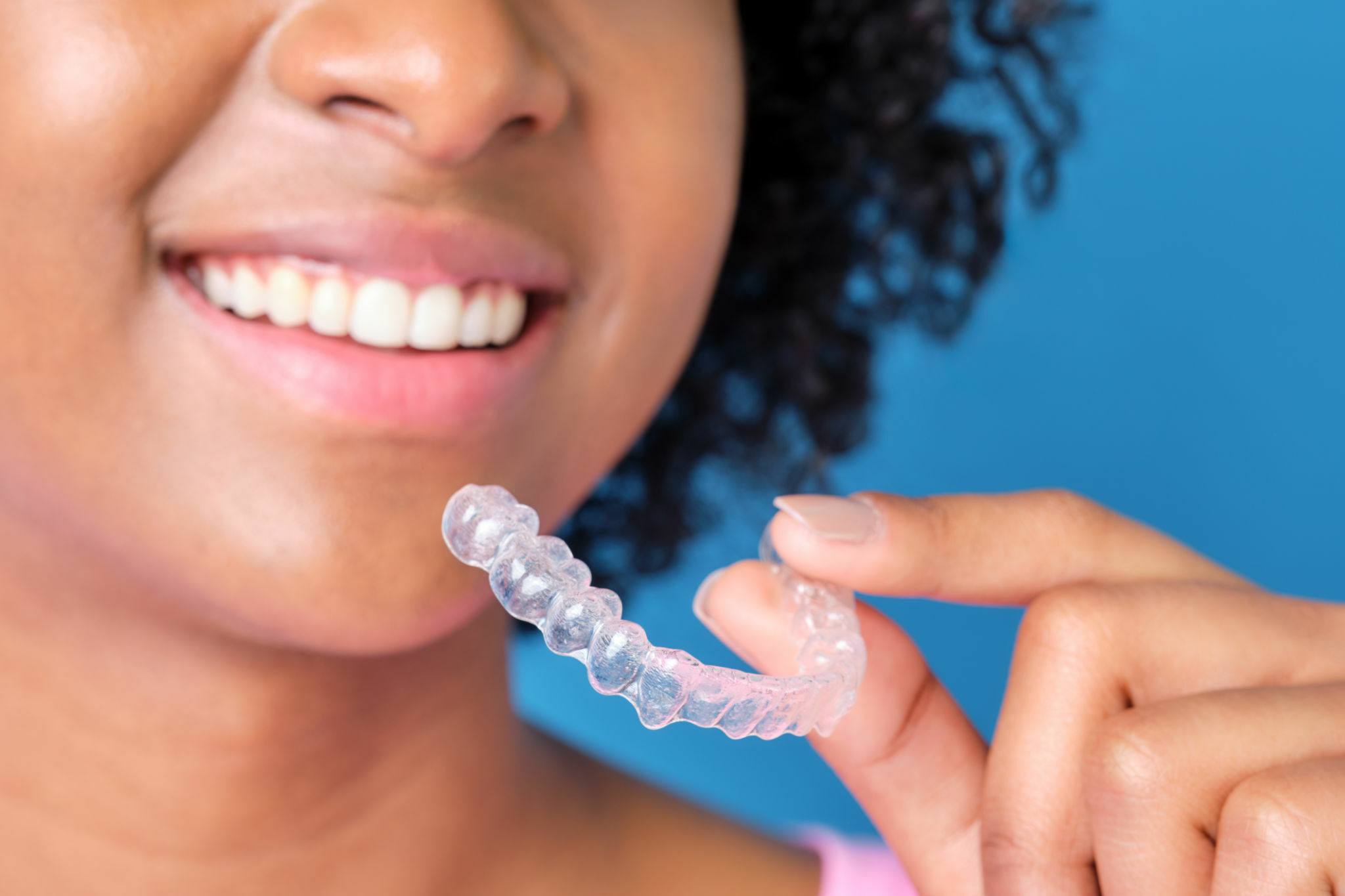
Clear aligners are a great alternative to conventional braces. Invisalign dentists use them to provide orthodontic ailment. These translucent, removable aligners progressively reposition the teeth into the correct position and are designed specifically for each patient.

Clear braces are popular among adults and teenagers because of their discreet and pleasant nature. Visual aesthetics is one of the critical benefits of choosing a clear braces dentist. When done by Carolina Smiles Family Dentistry professionals these aligners are nearly unnoticeable, allowing people to correct their teeth without wearing metal braces.

Traditional Orthodontists – Masters of Orthodontic Care

An orthodontist is a dentist who creates and maintains ideal teeth, jawbones, and lip structures. Orthodontists fit metal or ceramic brackets to the teeth and link them together with wires that exert modest pressure to guide the teeth into normal alignment in traditional braces.

Invisalign Dentists vs. Traditional Orthodontists: What You Need to Know_2

While braces are more visible than clear braces aligners, they are far more successful in resolving severe orthodontic problems. Experienced orthodontists can also treat issues like underbite and overcrowding. Therefore, if you face any orthodontic problem, you can use special braces and other devices to align your smile.

Traditional Orthodontist vs Invisalign Dentist – When Do You Need One?

A traditional orthodontist usually focuses on diagnosing, preventing, and correcting misaligned teeth and jaws using oral appliances.

On the other hand, you need to visit a clear braces dentist when you are considering treatment using braces for invisible teeth. Clear braces are a popular alternative to traditional braces for straightening teeth.

Traditional Orthodontist or Dentist – Who Should You See for Your Invisalign Treatment?

Ideally, you can go to your dentist for Invisalign treatment or a specialized orthodontist qualified to provide orthodontics invisalign. But there is a thin line between these two dental professions.

Role of Dentists & Orthodontists

Dentists are general practitioners who have completed their degree in dental school and are licensed to provide a wide range of dental services, including orthodontics.

Orthodontists, on the other hand, are specialists who have completed additional training in orthodontics and primarily focus on diagnosing, preventing, and treating malocclusions.

A dentist can provide an initial consultation and evaluation for clear braces. An orthodontist has experience treating more complex cases with various orthodontic devices and has additional training in straightening teeth.

If you are seeking general treatment for improving the appearance of your smile, you can see general dentists. For complex dental problems, visiting a traditional orthodontist is your best choice.

Treatment Procedure: Traditional Orthodontics vs Invisalign

The treatment procedure is different for both of them. Let’s discuss this in detail!

Insight Into Traditional Orthodontics Treatment

The procedure is generally carried out in several stages, and here is an overview of the orthodontic process:

Step 1: Consultation and Examination

The first step involves consultation with your traditional orthodontist, who will examine your patient’s teeth, jaw, and facial structure. X-rays, photographs, and teeth impressions will help the orthodontist assess the extent of the dental issues.

Step 2: Treatment Planning

Based on the examination and diagnostic records, your orthodontist will develop a personalized treatment plan outlining your specific orthodontic issues, the recommended course of action, and the estimated duration.

Step 3: Placement of Braces

After finishing planning, the orthodontist will attach the braces to your teeth in the next phase. The braces include brackets, wires, and bands. The orthodontist will bond the brackets to each tooth, thread a wire through the attached brackets, and place bands around the back of the molars for additional support.

Step 4: Adjustments

After the orthodontist attaches the braces, you must visit your dentist at regular intervals (every 4-6 weeks), as they will make periodic adjustments to move the teeth to the desired positions gradually. During each visit, the orthodontist will adjust the bands and may change the wires.

Step 5: Monitoring the progress

Throughout the treatment, the tooth movement is closely monitored during regular checkups. Besides, the braces are removed once the teeth have reached their desired position. Following the removal of aligners, a retainer is often provided to help maintain the corrected tooth positions.

Insight Into Invisalign Treatment

The treatment procedure for Invisalign tooth involves multiple steps as well:

Step 1: Initial Consultation

On your first visit to your orthodontist or dentist, he will examine your teeth, take X-rays, and discuss your treatment goals.

Step 2: Treatment Plan

If Invisalign suits your case, the dentist will create a personalized treatment plan. 3D imaging technology may be used to create a digital representation of your teeth and plan the step-by-step movement.

Step 3: Custom Aligners

Based on the treatment plan, we create a series of custom-made aligners for you. Professionals design each set of Invisalign ortho to move your teeth into the desired position gradually.

Invisalign Dentists vs. Traditional Orthodontists: What You Need to Know_3

Step 4: Wearing the Aligners

Depending on your dentist’s recommendation, you will have to wear each set of custom-made aligners for about 1-2 weeks. You need to wear them 20-22 hours daily, removing them only for eating, brushing, and flossing.

Step 5: Progress Checkups

Regular checkup appointments with your dentist and orthodontist are scheduled to monitor your progress. You will receive a new set of aligners during every visit to advance the treatment.

Sometimes, small tooth-colored attachments may be placed on specific teeth to help with certain movements, and refinements may be necessary to get your desired results.

Once the Invisalign braces treatment is complete and the desired results are achieved, your dentist might recommend you use retainers to maintain the shape.

Making a Choice: Invisalign or Traditional Orthodontic Measures

The decision to use an Invisalign or a traditional aligner depends on various factors, including orthodontic needs, lifestyle, and personal preferences. One of the determining factors is ailment complexity.

Invisalign braces are suitable for treating mild to moderate orthodontic issues. For complex cases, a traditional aligner is the best option. In some cases, traditional braces may achieve results more quickly than clear aligners. The fixed nature of braces allows for continuous pressure on the teeth.

Takeaway

  • Invisalign dentistry is a great way to address teeth alignment discreetly. In contrast, traditional aligners are a more renowned approach to teeth alignment.
  • The choice between clear and traditional braces depends on individual preferences, lifestyle, and the complexity of the orthodontic case.