When it comes to your smile, almost everybody wants to use what’s best for it.
You pick from the best toothpaste, floss, and mouthwash to get a radiant, whitened smile.
Sadly, however, most individuals fail to get a brighter smile despite following the best oral practices. This is mostly because over 86% of Americans don’t include teeth whitening products in their daily oral regimen.
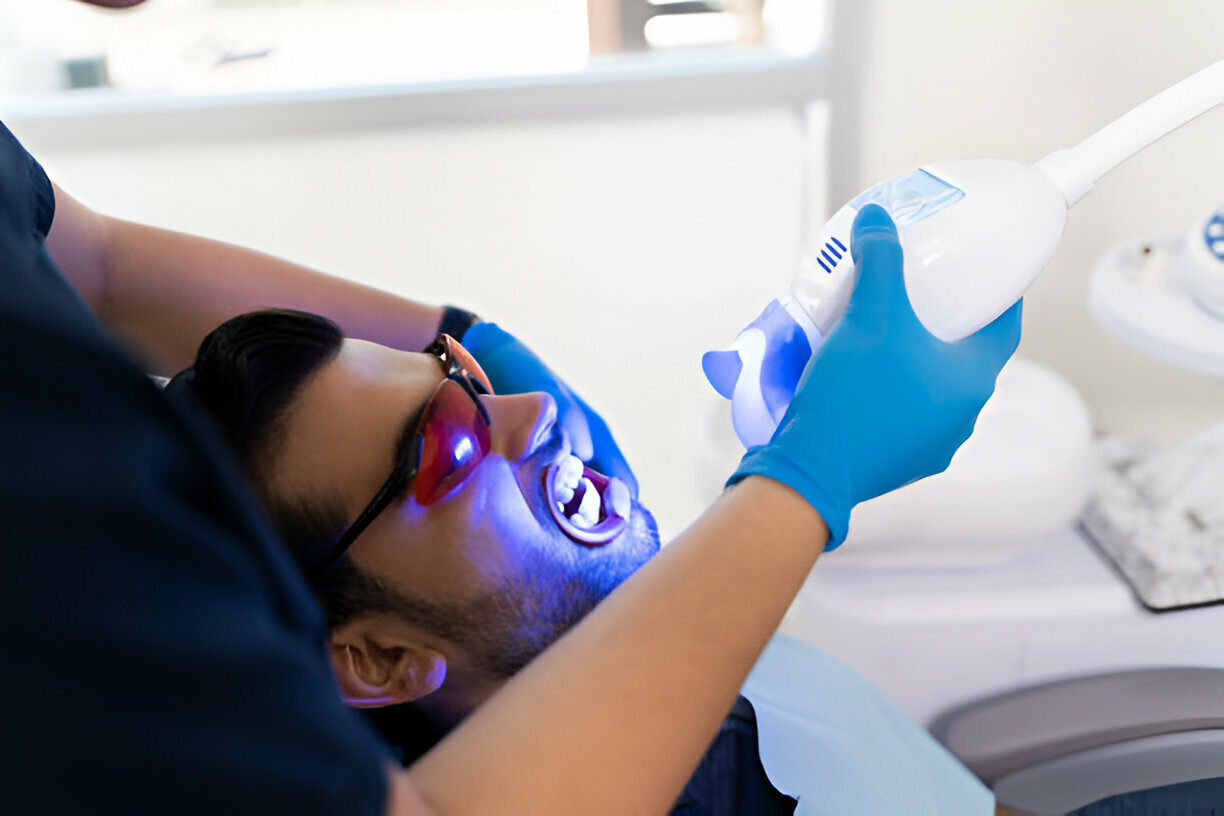
Teeth whitening products are your best bet for an effective smile. Sadly, however, the plethora of options tends to confuse users about whether to choose professional or at-home kits.
Therefore, in this blog, we take a closer look at the difference between both whitening methods in detail via topics like:
So continue reading as we learn more in the following sections.
If you have stained, dull, or yellow teeth, you may feel underconfident and hide your smile. Using whitening solutions makes it easy to regain that confidence.
These whitening products are easy! It involves applying bleaching treatments to your teeth. Bleach targets the brightly pigmented organic compounds that lodge between the dentin or tooth enamel (the tooth’s outermost coating). These organic particles are what give the teeth their discolored look.
However, you may use teeth-whitening products to quickly restore your teeth’s sparkling white color. These products are designed to enhance your teeth’s color by two to three shades.
Other lesser-known causes of tooth darkening may occur early in life. Children exposed to too much fluoride often acquire inherent stains inside their teeth.
Numerous tooth whitening options are available, some being more effective than others. At-home systems only employ 10-20% carbamide peroxide gels with other components such as glycerin, water, sodium hydroxide, carbomer, and flavorings. Some at-home treatments with more than 10% carbamide peroxide may include sodium fluoride to strengthen the teeth and minimize sensitivity.
Your options include:
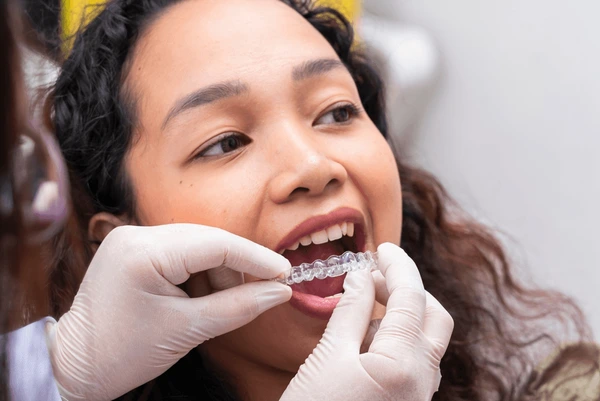
If you get professional whitening done at your dentist, the first thing they do is take imprints of your teeth. These are used to make stints or trays just for you. A proper fit to your teeth helps produce the most significant potential result, and the trays may be ready in a few days.
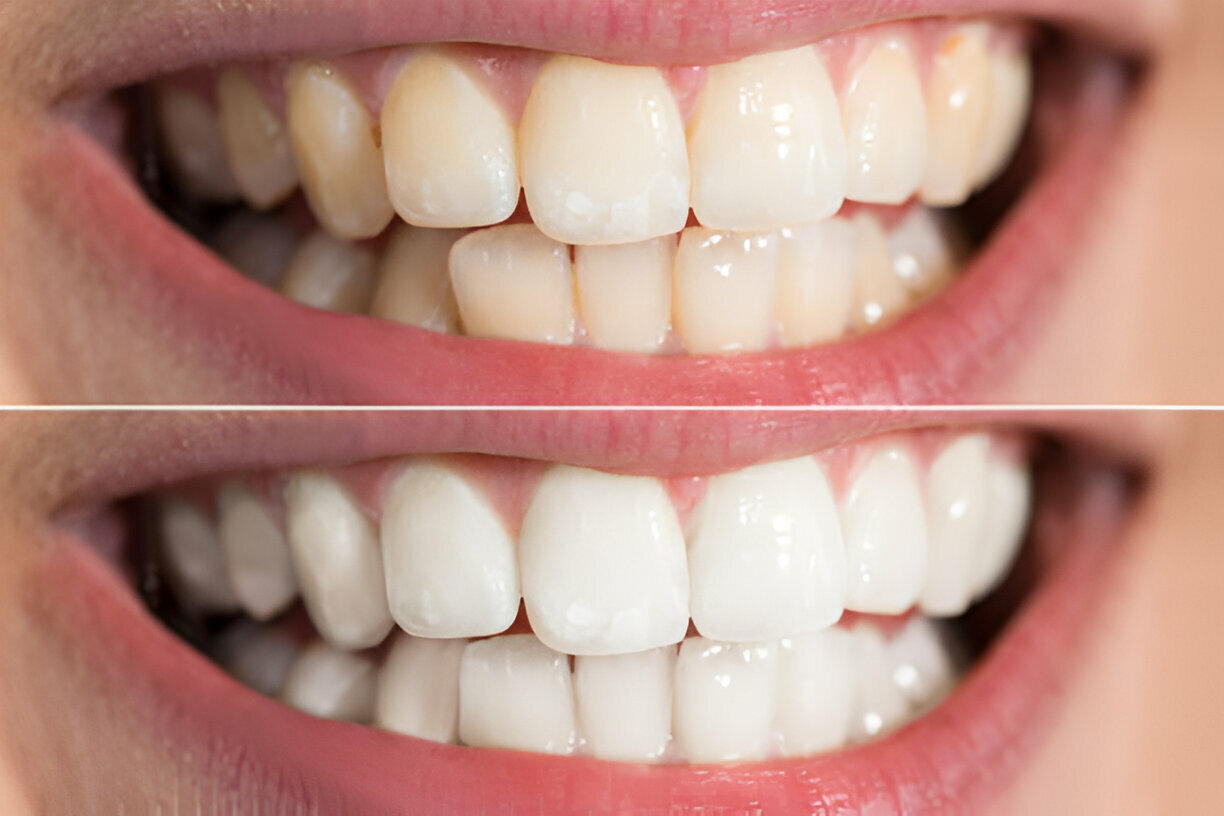
Professionals for teeth whitening in Columbia will provide you with bleaching chemicals to put in the trays, progressively brightening and whitening your teeth over the following two weeks. We recommend wearing the trays every night for 3-4 hours. The trays are clear and inconspicuous, and most patients believe they are unnoticed by others.
Once the treatment is completed and your desired brightness has been attained, we will offer you more bleaching chemicals for regular use, to maintain the whiteness of your teeth.
There are numerous significant distinctions between at-home and professional teeth whitening, but the optimal course of action depends on your desired outcomes and general oral health.
At the dentist’s office, you may spend 1-2 hours but leave with teeth that are eight shades brighter. However, at home, you may need to spend 1-2 hours every day over days or weeks to whiten your teeth by 3-6 shades.
While at-home kits typically cost approximately $50, teeth whitening with a dentist professional will cost more. The primary advantage of professional teeth whitening is that it occurs far faster than the kits necessary to accomplish and maintain whitening with at-home treatments. At-home kits may have varied outcomes, depending on your teeth and general dental condition.
In-clinic whitening can provide whiter teeth for a longer period than at-home whitening procedures because the concentration of the solution allows for deeper penetration of the tooth surface.
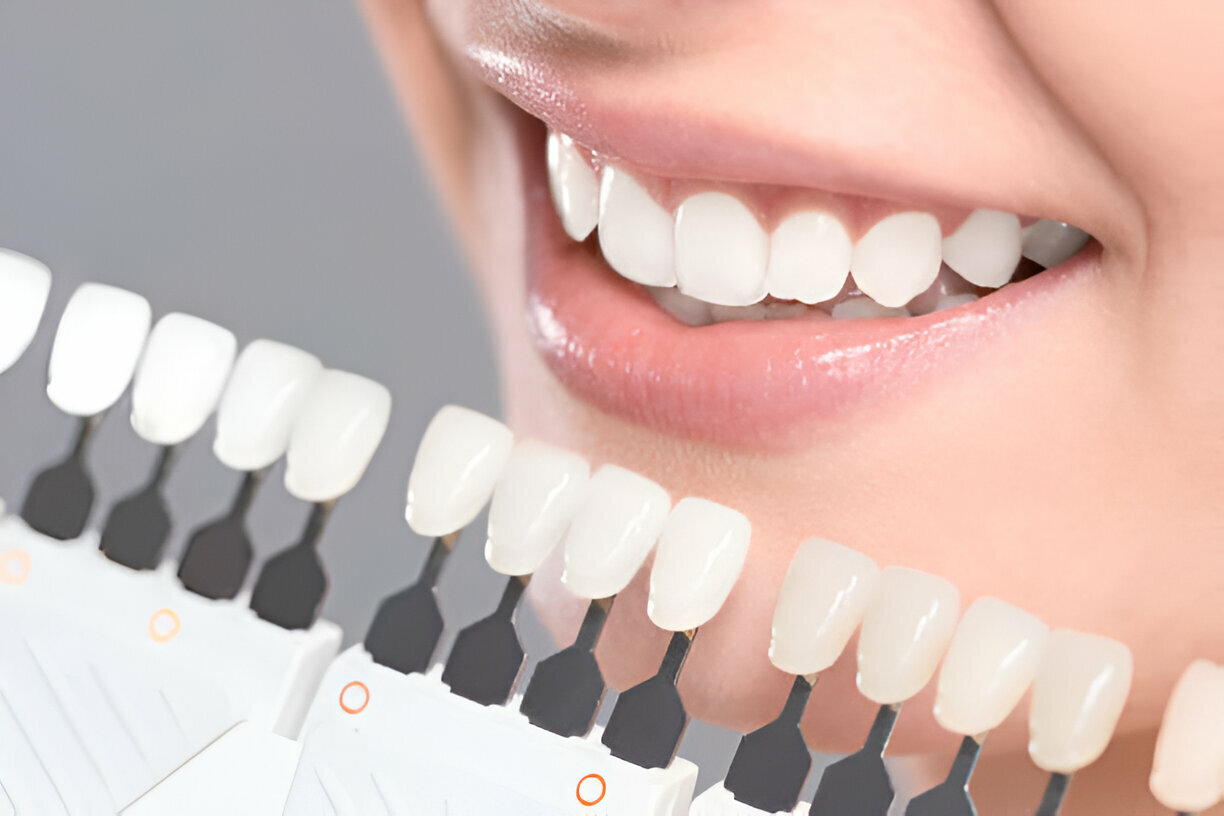
Unfortunately, whitening does not work for every kind of tooth! As a result, consulting with your dentists in West Columbia, SC, is essential to determining the best method for your teeth. Certain whiteners might not wholly remove specific stains and discolorations. For instance, teeth that are yellowed often bleach rather well, whereas teeth that are brown or gray may not bleach at all.
Furthermore, whitening does not work on dental appliances such as caps, veneers, crowns, or fillings. Bleaching your teeth is unlikely to make any difference if the underlying cause of discoloration is medicine or trauma.